
The best cleaners that actually support a healthier home environment (not just a cleaner one)
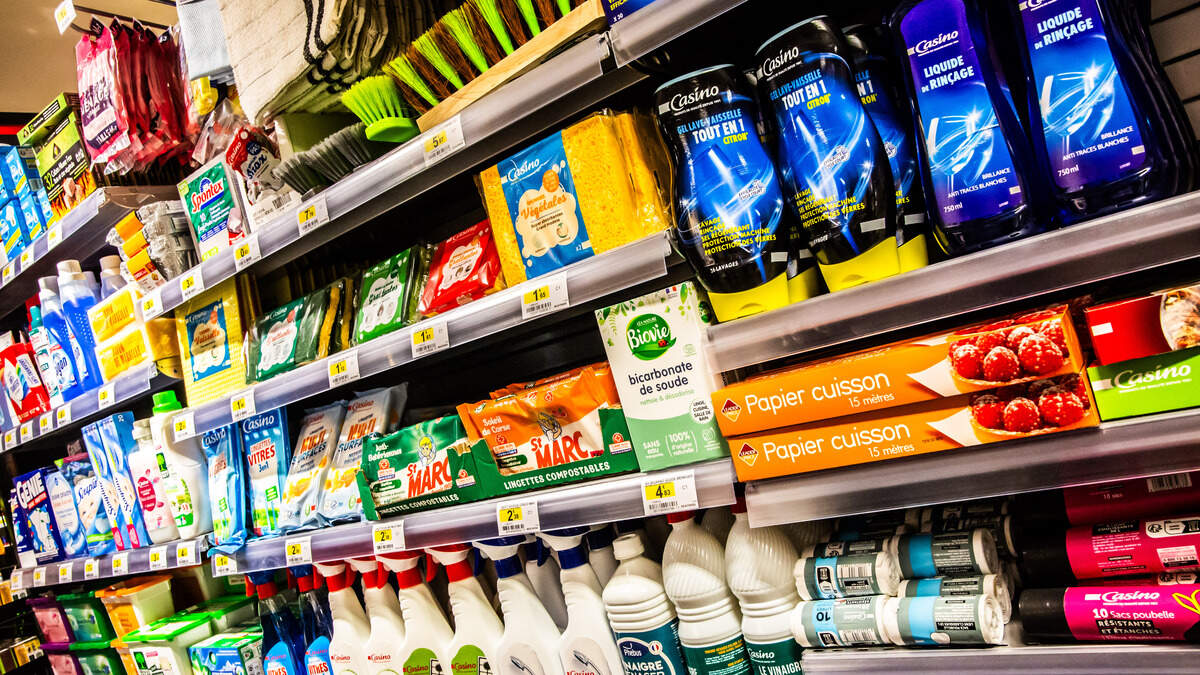
The cleaning products under your sink may be doing more than just scrubbing counters. A growing body of research links common household disinfectants and fragrance sprays to asthma, hormone disruption and indoor air pollution. That is why so many families are rethinking what a healthy home actually looks like.
A non-toxic home environment is one where the products you use to clean, deodorize and disinfect do not introduce chemicals tied to long-term health risks. The shift starts with a handful of swaps and a clearer understanding of what is in the bottle.
Why cleaning product choices matter at home
The everyday act of cleaning can leave residues on surfaces and release vapors into the air. Editors at The Good Trade put it plainly. “Cleaning products are essential and something we use daily in our homes. As we spray, wipe, and scrub to help keep our spaces sparkling, the chemicals used in our cleaning products linger on our surfaces and vaporize into the air. Over time, exposure to these harmful chemicals can cause irritation, allergies, or worse (and when rinsed down the drain can also wreak havoc on aquatic life).”
That is the case for treating cleaning supplies as part of the home environment, not separate from it.
Which ingredients raise health concerns
Some of the most common disinfectant compounds carry trade-offs. Sydney Cook with Consumer Reports says “some ammonium quaternary compounds, which are commonly used as disinfectants, are linked to reproductive harm in animal studies, as well as asthma and irritation. Some ingredients can also have a negative impact on household air quality. Formaldehyde, which can be released from some preservatives and is linked to cancer, and bleach, which is used to kill germs and is associated with asthma, can be released into the air from cleaning products.”
Fragrance is another flashpoint. Cook recommends going fragrance free, writing that “because the components of a fragrance are not always required to be listed on labels, fragrances can contain hundreds of hidden ingredients, many of which have been associated with a host of health problems, including endocrine disruption, cancer, and developmental toxicity. Plus, fragranced cleaning products can also contribute to indoor air pollution.”
Safer swaps that actually work in the home
You do not need a specialty product line to clean effectively. A few pantry staples handle most jobs.
Ken Doty, COO and cleaning expert at The Maids, talked to Kristin Granero at Yahoo about the perks of white vinegar. “White vinegar is a natural anti-fungal, antibacterial, whitener and deodorizer, making it one of the most versatile ingredients in eco-friendly cleaning products. It can be mixed with water, baking soda and other ingredients to create stain removers, degreasers and more.”
For a bleach alternative, hydrogen peroxide handles many household jobs. Karina Toner, operations manager at Spekless, told Ciera Cree at Homes & Gardens that “Hydrogen peroxide can be safely used on most surfaces, including natural stones, wood, and fabrics, without causing damage. However, when it comes to larger cleaning jobs or tougher ones such as tackling mold, the product may not penetrate porous surfaces as deeply as bleach. Using bleach to kill mold is a more suitable choice.”
Baking soda earns a spot for smells and grease. It neutralizes odors rather than masking them by binding with odor-causing compounds, which makes it useful for fridges, trash cans and drains. It is non-toxic and food-safe when used as directed, and it cuts through grease buildup.
Plastic-free dishwasher tabs are another swap worth considering, since they skip the hidden microplastics found in some conventional formulations.
How to start the transition at home
The Good Trade editors describe non-toxic cleaning products as “what we gravitate towards to help keep our home and environment as safe and healthy as possible.”
Start with the products you use most often. Read labels for fragrance disclosures and ammonium quaternary compounds. Where a basic alternative works, use it. Where it does not, look for fragrance-free formulas that disclose their full ingredient list.
The goal is not perfection. It is reducing the number of chemicals that linger on your counters and in your air every day.
This article was created by content specialists using various tools, including AI.