Concert Ticket Reform Explained: FTC Lawsuits, Artist Cancellations & Streaming-Based Fan Verification
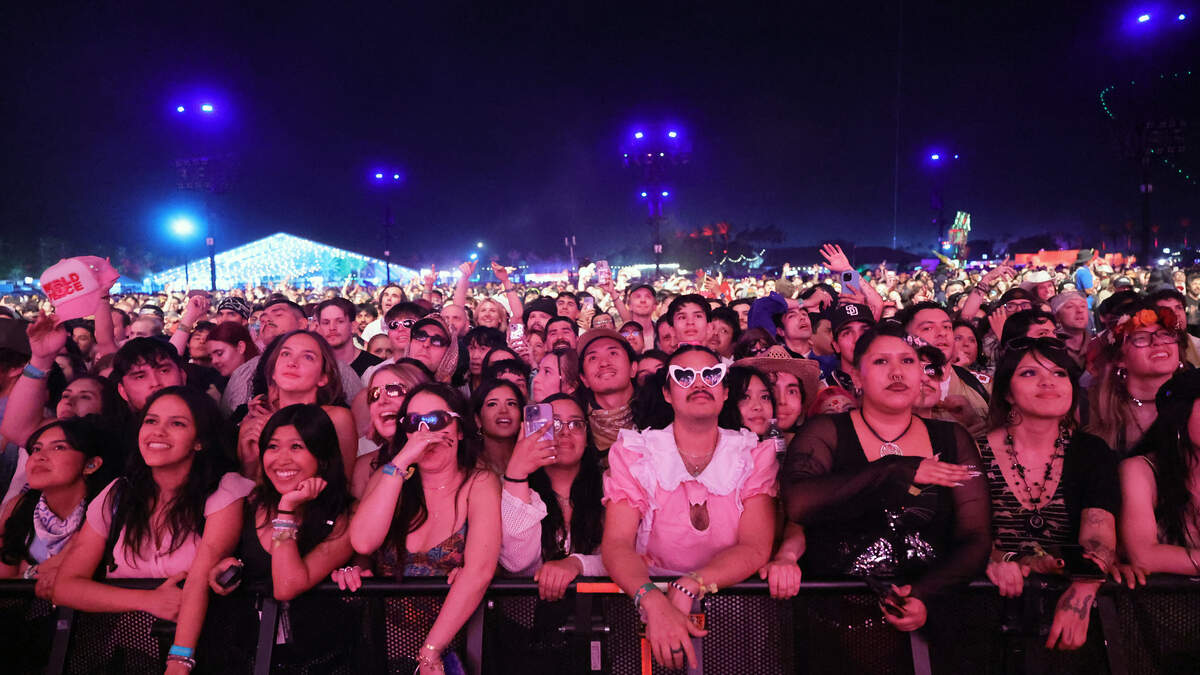
If scoring concert tickets to a major tour feels harder than ever, the numbers back you up. Bots, scalpers and messy resale markets have turned every on-sale into a stress test, but federal regulators and artists are finally pushing back.
Why are concert tickets so hard to buy for popular tours?
Bots and automated scalping software are snapping up seats before real fans can check out. According to Queue-it, one recent high-profile concert sale saw 96% of traffic come from bots, with only 138,000 of 3.3 million requests coming from legitimate fans.
Scalpers use complex automated software that can purchase more tickets, faster, than any human could click. Even as ticketing sites roll out anti-bot measures, scalper operations continually update their code to slip past new rules and restrictions.
They also work presales aggressively. Common tactics include joining multiple fan clubs, buying presale codes on open marketplaces, creating dozens to hundreds of fraudulent accounts to harvest promotional emails and obtaining multiple credit cards eligible for partner presales.
What is the FTC doing about concert ticket scalping?
The Federal Trade Commission and seven states sued Live Nation and Ticketmaster in September 2025, accusing the companies of enabling scalpers in the resale market.
According to a September 2025 press release on the FTC website, the agency and the participating states accused the companies “for tacitly coordinating with brokers and allowing them to harvest millions of dollars worth of tickets in the primary market. Live Nation and Ticketmaster then sell the illegally harvested tickets at a substantial markup in the secondary market, causing consumers to pay significantly more than the face value of the ticket.”
The suit ranks among the most direct federal actions to date targeting how tickets move between primary and resale markets.
How are artists protecting fans buying concert tickets?
A growing number of major artists are canceling suspicious orders and using new fan-first tools to keep seats out of scalpers’ hands. Ticketmaster’s Face Value Exchange, developed for Pearl Jam in 2019, was designed to let fans trade tickets at the original purchase price. Dozens of artists including Billie Eilish, Hozier and Noah Kahan have since used it to enable fan-to-fan trading while deterring scalpers.
Oasis, Ed Sheeran and most recently Harry Styles have all canceled tickets identified as belonging to scalpers and reissued them to fans at fair prices.
Spotify’s new “Reserved” program takes a different approach, using streaming activity to identify an artist’s most engaged listeners and reserve seats specifically for them. It’s a tech-forward attempt to make sure real fans get first crack at concert tickets.
This article was created by content specialists using various tools, including AI.