
Traveling During a Heat Wave? Experts Share the Safety Tips You Need Before You Go
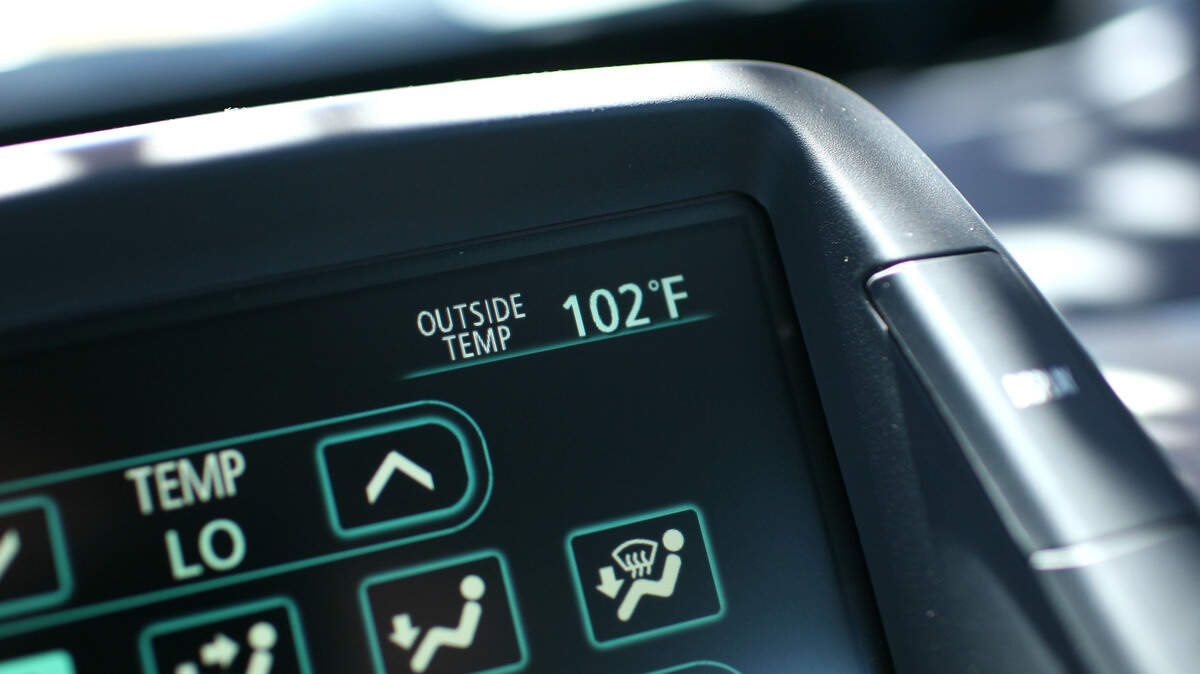
Scorching temperatures are lying in wait for summer travelers, and the risk is bigger than a sweaty afternoon. More than 180 million people across the eastern U.S. are facing Level 3 or Level 4 heat risk, according to the National Weather Service, while parts of the Southwest are already hitting 100 degrees. Heat kills more people in an average year than any other weather hazard, per NOAA, with a 10-year preliminary average of 238 deaths a year from 2015 to 2024 and many of those deaths happen during heat waves that coincide with peak travel season.
“The same way that we prepare for more extreme travel in the cold, we should start to consider those tips to keep us safe in the summer months,” Dr. Alexander Azan, co-director of Project HEATWAVE at NYU Langone Health, told PBS. Whether you’re piling into a car for a road trip or flying somewhere hotter than home, a little planning goes a long way.
Know the warning signs of heat illness before you go
Heat illness doesn’t always announce itself. Symptoms vary from person to person, and certain medications or underlying health conditions can make it harder to notice when your body is overheating. That’s why medical experts recommend a buddy system on hot-weather trips you may not catch your own symptoms in time, but your travel companion might.
Early warning signs include heavy sweating, muscle cramps and a headache. If you feel any of those, stop what you’re doing and cool down immediately. Heat exhaustion pushes further faster heart rate, dizziness, nausea and cool, clammy skin. Heat stroke is a medical emergency confusion, slurred speech, fainting or skin that’s hot to the touch all mean it’s time to call 911. Vacation habits can compound the risk, too long outdoor hours, more intense activity than usual and heavier drinking all raise the odds of a heat-related crisis.
Summer travel prep to do before you leave home
A little front-end work makes the difference between a safe trip and a scary one. Start by checking the hourly forecast for your destination, and ask everyone traveling with you about health considerations that could be worsened by heat pregnancy, heart conditions, medications that affect hydration. Confirm your lodging has reliable air conditioning, and check whether the region has had recent power blackouts or brownouts that could leave you without it.
Look up public cooling centers near your destination and jot down key emergency phone numbers before you go. Pack smart a reusable water bottle, light-colored breathable clothing, sunscreen, sunglasses, a wide-brimmed hat and a cooling towel. A portable fan can help, but skip it when temperatures spike at that point it just blows hot air back at you.
Driving in extreme heat safety tips for the road
If you’re taking a road trip, the car itself needs prep. Get your vehicle inspected a few weeks before departure, with attention to the engine cooling system and battery both take a beating in high heat. If you’re renting abroad, confirm the rental has working air conditioning. On the road, pack water and snacks for every passenger, including pets, and take regular breaks to hydrate and stretch. Never drive on less than a quarter tank of gas in extreme heat running out and getting stranded roadside is a serious hazard.
The single most important rule involves who you leave behind in the car.
“If you’re traveling in heat like this, the number one rule is to never leave a child or a pet or anyone unattended in a car. Vehicles can get extremely hot really quickly, especially when we have temperatures like this,” Pete Cichetti, director of the State Office of Emergency Management, told WGRZ.
To keep the car itself cooler, park in shaded areas and use a windshield sunshade and dash cover. When you first climb into a hot vehicle, turn the AC on but keep recirculation off that pushes the stale hot air out instead of cycling it. Roll the windows down briefly, then close them and flip recirculation on once the cabin starts to cool. If you get stuck in traffic and the engine’s still running, cycle it on and off every few minutes so the AC can keep working. For long-term protection, UV protectant on the dashboard and leather seats, plus window tinting, can slow interior heat damage.
If you break down, don’t walk along the roadside searching for help in extreme heat. Stay in the car or nearby shade, put reflectors or cones out in front of the vehicle, and keep an extra car charger handy so your phone doesn’t die before help arrives.
Staying safe at your destination and back home
Once you arrive, the two most important things are staying cool and hydrating frequently. Be mindful of how vacation habits change your baseline long hours outdoors, intense activities and more alcohol than you’d normally drink all add up. Use the buddy system all day watch your travel companions for dizziness, nausea, muscle cramps or cool, clammy skin, and ask them to watch you. If symptoms worsen to slurred speech, extreme confusion, unconsciousness or skin hot to the touch, seek help immediately. Those are signs of possible heat stroke.
Don’t forget about the house you left behind, either.
“If you are traveling, make sure you leave your air conditioning on in your house so you don’t get back to a really hot house, and make sure you pull the shades down so the heat doesn’t get trapped inside your house,” Cichetti told WGRZ.
Coming home to a stifling house after a long day of travel is more than uncomfortable it can extend your heat exposure right when you’re most tired and least alert. A small tweak to the thermostat before you leave keeps the risk from following you back.
This article was created by content specialists using various tools, including AI.
.jpeg)