
Lighten up with lemon
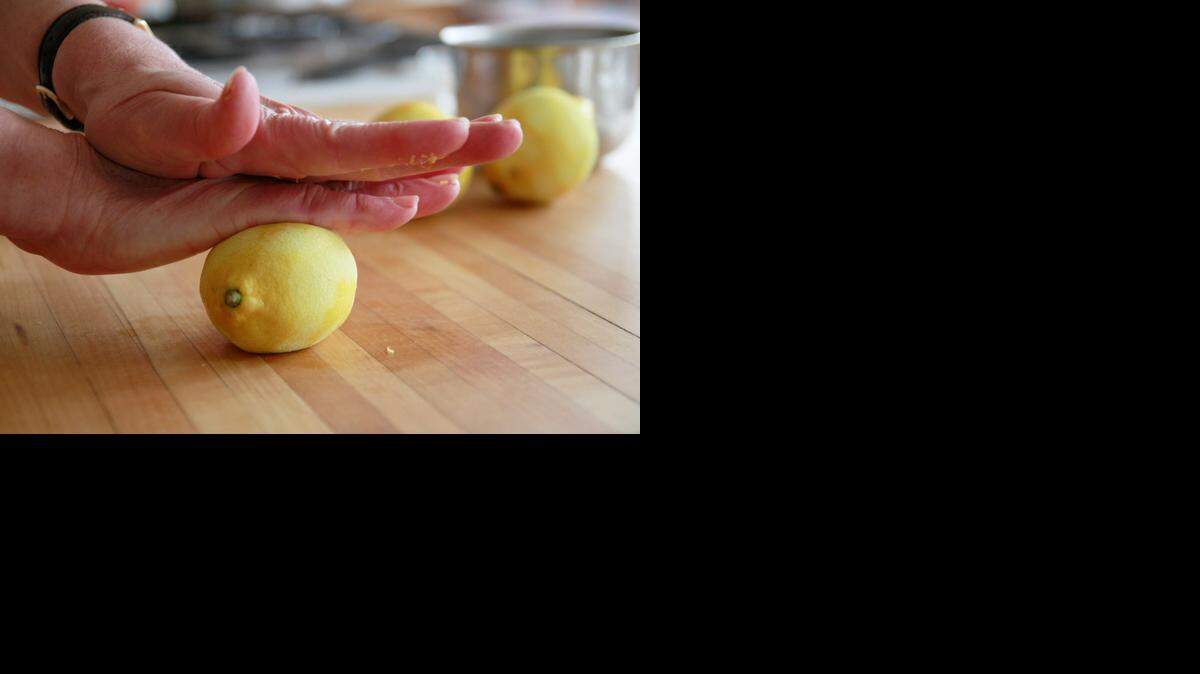
There isn’t a better food to zap us out of the heavy, rich foods we have been eating all winter than the lemon.
A sprinkling of zest over strawberry shortcake adds punch to the spring’s crop of berries.
Add a squeeze or, better yet, chopped preserved lemons to broccoli, green beans or roasted asparagus and the kids might even ask for seconds. Fresh lemon juice mixed with mayonnaise makes a lighter dressing for summer salads. And boring, flat chicken or lentil soup gets a boost from lemon juice stirred in at the end of cooking.
There’s hardly a food on the planet that’s not enhanced by the puckery bright flavor of lemon. From baked goods to pastas, soups to salads and on to all manner of fruits and vegetables, lemon is an amiable companion.
Lemon juice can even revive wilting lettuce, and a squeeze keeps cut apples from discoloring. Plain water bounces to life with a few slices of lemon and benefits from the added bonus of vitamin C. And using lemon to enhance food might keep you from reaching for the salt shaker and thus reduce your sodium intake.
How much more convincing do you need?
Besides the recipes that accompany this story, here are other culinary ideas:
Gremolata: The Italian condiment is traditionally used on meat and seafood dishes, but it can also be added to vegetables. To make it, mix equal parts lemon zest, chopped parsley and minced garlic. The lemon and parsley will be less pronounced by reducing garlic and adding a bit of olive oil. It’s best used immediately and at room temperature.
Preserved lemons: These can last up to six months in the refrigerator. Chop and add to salads and vegetables. To make them, wash 8 to 10 lemons and cut them in half lengthwise, but not all the way through. Turn and cut again. (It’s like you are cutting four wedges but keeping them attached at one end.) Pry them open a bit and sprinkle with a mixture of 1/2 cup kosher salt and a teaspoon of sugar. Pack into a quart jar with a lid, pressing down and pushing out some of the juice. Close jar and place in fridge; turn over every few days. Lemons will be ready in three weeks.
Marinades: The acid in lemon juice helps tenderize meat and enhances the flavor of poultry and seafood. To make Black Pepper Lemon Marinade, mix juice of 1 lemon, 2 tablespoons olive oil, 2 cloves minced garlic and 1 tablespoon crushed black peppercorns. This is enough marinade for 2 whole chicken breasts or a couple of pounds of shrimp. (Leave chicken in the marinade for a few hours; shrimp not more than 1 hour.)
Vinaigrettes: Vinegar is the common acid paired with olive oil in a simple vinaigrette, but you can substitute part of it with lemon juice. To make Lemon Poppy Seed Vinaigrette, whisk together 1 cup lemon juice (about 4 lemons), 1/4 cup apple cider vinegar, 1/2 cup honey, 1/2 teaspoon poppy seeds and 2 teaspoons salt in medium-sized bowl. Continue to whisk, slowly adding 1/2 cup vegetable oil. Store in refrigerator.
Compound butter: Flavored butters are delicious accompaniments with muffins and vegetables, especially grilled corn. To make Lemon-Herb Butter, bring 1 stick of butter to room temperature. Mix together 1/4 cup of mixed leafy herbs (I like parsley and chives) plus 1 teaspoon of lemon zest. Finely chop and mix thoroughly with butter. Use immediately or cover and store in refrigerator.
Lemon cubes: If you’ve got a glut of lemons, squeeze the juice into ice cube trays and freeze. After the cubes are frozen, transfer to a resealable bag and use in drinks or any other dish in which you need lemon juice.
Grilled and fried: If you’re grilling fish or chicken, throw some thick lemon slices on the grate, too. The heat will intensify the flavors. Likewise, if you’re deep-frying seafood, batter slices of lemon and fry those, too. You’ll be pleasantly surprised at how wonderfully the salty crust plays off the sour fruit.
Roasted Asparagus with Garlic-Lemon Sauce
From Eating Well magazine.
2 bunches asparagus, (about 2 pounds), trimmed
2 teaspoons extra-virgin olive oil, divided
1/8 teaspoon salt
2 tablespoons low-fat mayonnaise
2 tablespoons shredded Parmesan cheese
2 tablespoons water
2 anchovy fillets, minced
1 small clove garlic, minced
1 tablespoon lemon juice
Preheat oven to 425 degrees.
Toss asparagus with oil and salt in a large bowl. Spread on a baking sheet and roast –stirring once halfway through – until tender, 15 to 20 minutes.
Combine mayonnaise, Parmesan, water, anchovies, garlic and lemon juice in a small bowl. To serve, drizzle the asparagus with the sauce.
Yield: 4 servings.
Lemon Ricotta Spaghetti with Arugula
From Food52.com.
1/4 cup extra-virgin olive oil
2 cloves garlic, sliced lengthwise as thinly as possible
Salt
1/2 pound spaghetti
1 cup ricotta cheese
2 tablespoons lemon zest, from 1-2 lemons
1 pinch red pepper flakes
4 to 6 tablespoons leftover pasta boiling water
4 cups lightly packed arugula
Juice from 1 lemon
Bring a pot of well-salted water to boil.
Slice garlic and put a small saute pan over low heat while water comes to a boil. Add olive oil, garlic and a nice pinch of salt. Let oil and garlic slowly heat up. You don’t want the garlic to brown. You are just warming the oil and letting garlic infuse it. Zest lemon and wash and dry the arugula.
Add pasta to the boiling water and cook until al dente. Drain and reserve some pasta water.
Once pasta is boiling, turn heat under the saute pan to as low as it goes and add ricotta, lemon zest and a pinch of red pepper flakes. You just want it all to warm up while the pasta is cooking.
Drain pasta and add it to the saute pan and toss well. Add 1/4 cup of cooking water and arugula and toss again to coat and wilt the arugula. If you feel it is too dry, add up to 2 more tablespoons cooking water. Taste for salt and add juice from half a lemon and toss once more.
Serve, topping each bowl with a few sprinkles of coarse salt or fleur de sel and a few drops of lemon juice.
Yield: 2 to 3 servings.
Lemon Chicken Piccata
From Allrecipes.com.
3 large skinless, boneless chicken breast halves, cut into 1/2-inch medallions
Salt and pepper to taste
1/2 cup all-purpose flour
2 tablespoons vegetable oil, or as needed
1 clove garlic, minced
1 cup low-sodium chicken broth
1/2 lemon, thinly sliced
1/4 cup fresh lemon juice
2 tablespoons capers, drained and rinsed
3 tablespoons butter
2 tablespoons minced Italian (flat-leaf) parsley
Preheat oven to 200 degrees. Place a serving platter into the oven to warm.
Season chicken pieces with salt and pepper and dredge them in flour. Shake off excess flour. Heat vegetable oil in a skillet; pan-fry chicken pieces until golden brown on both sides, about 3 minutes per side. Work in batches and do not crowd skillet, adding oil as needed . Place chicken pieces onto the warmed platter in the oven. When finished with all the chicken, drain most of the oil from the skillet, leaving a thin coating on the surface of the pan.
Cook and stir minced garlic in the skillet until fragrant, about 20 seconds. Pour in chicken broth. Scrape and dissolve any brown bits from the bottom of the skillet. Stir in lemon slices and bring mixture to a boil. Let cook, stirring occasionally, until the sauce reduces to about 2/3 cup, 5 to 8 minutes. Add the lemon juice and capers; simmer until the sauce is reduced and slightly thickened, about 5 minutes more. Drop butter into the skillet and swirl it into the sauce by tilting the skillet until butter is melted and incorporated. Add parsley; remove from heat and set aside.
Arrange chicken medallions on serving plates and spoon sauce over each portion to serve.
Yield: 4 servings.
Lemon Tart
From Allrecipes.com.
3/8 cup butter
1/4 cup confectioners’ sugar
1 cup all-purpose flour
3 eggs
1 cup white sugar
1 tablespoon grated lemon zest
1/4 cup lemon juice
3 tablespoons all-purpose flour
2 tablespoons confectioners’ sugar for dusting
Preheat oven to 350 degrees.
Process butter, 1/4 cup confectioners’ sugar and 1 cup flour in food processor 10 seconds, or blend with pastry blender. Pat dough evenly into 9-inch round pie plate. Bake 12 to 15 minutes, until golden.
Combine eggs, white sugar, lemon zest, lemon juice and 3 tablespoons flour and mix until smooth; pour mixture over hot crust.
Bake 15 to 20 minutes more, until firm. Let cool completely in baking dish.
Sprinkle with confectioners’ sugar and cut into 12 slices.
Yield: 12 slices.
This story was originally published April 7, 2015 at 8:00 AM with the headline "Lighten up with lemon."