Your First Omakase, Demystified: Etiquette, Pricing and How to Actually Enjoy It
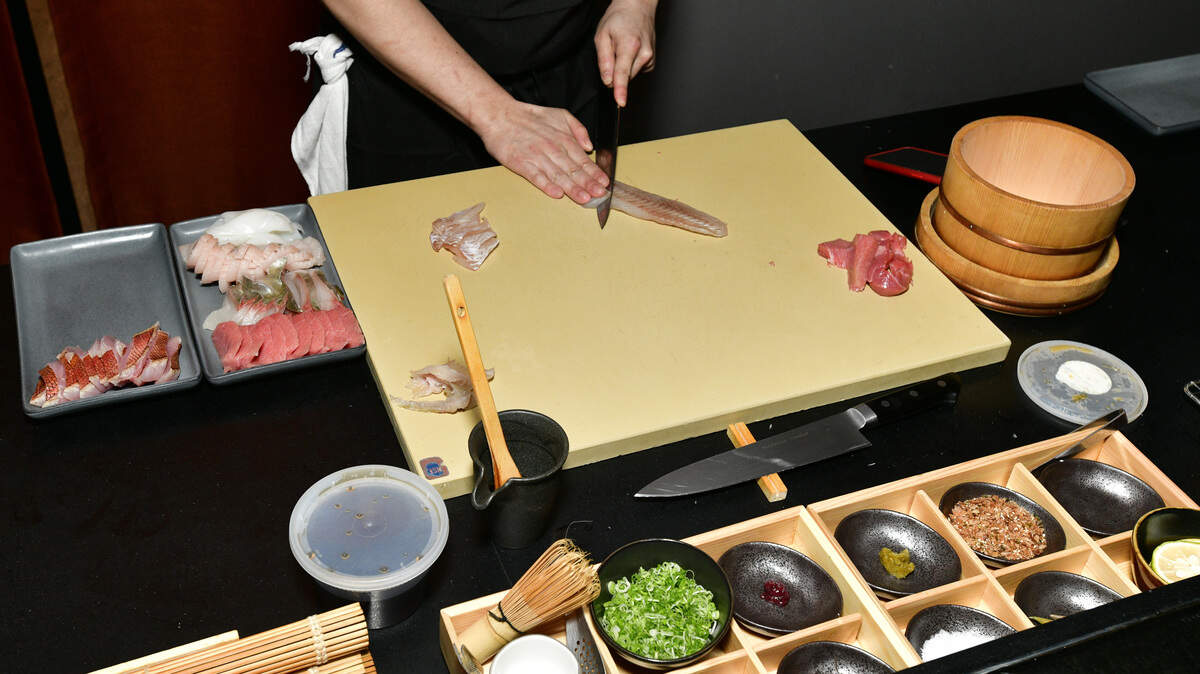
So you finally snagged that omakase reservation you’ve been eyeing on Instagram. Congrats — you’re about to drop real money on what could be one of the most memorable meals of your life. But if you’re nervous about breaking some unspoken rule in front of a chef who’s been training for decades, you’re not alone. Here’s everything you need to know before you sit down at the counter.
Trust the Chef — Literally
The word omakase translates to “I leave it up to you” in Japanese, and that phrase is the entire philosophy of the meal. You’re not ordering. You’re surrendering.
According to the Michelin Guide, “Aside from cases where a guest has an allergy or intolerance to a specific ingredient, an omakase chef determines at the spur of the moment what will appear on the plate. This is typically driven by the ingredients available to them, which are customarily selected based on both quality and seasonality. That being said, the philosophy of the chef will also guide what they serve, and this is important for diners to keep in mind. The omakase experience can vary dramatically depending on the philosophy and cooking style of the chef.”
Translation: every chef does it differently, and that’s the point. If you’re a picky eater, this might not be your move.
Got allergies? Tell the restaurant when you book — not when you arrive. The chef needs lead time to plan around restrictions.
And here’s a big one: don’t reach for the soy sauce or wasabi. The chef has already seasoned each piece exactly the way they want it. Adding more is essentially telling them they got it wrong.
It’s a Performance, Not Just Dinner
Omakase is theater. You’re sitting at a counter watching a chef prepare each course inches from your face. Lean into it.
Talk to the chef. Tell them when something blows your mind. Ask (respectfully) about a piece you’ve never seen before — what it is, where it’s from, how it’s prepared. Most chefs love this. Just read the room: if they’re deep in concentration plating something delicate, save the question for after.
What It Actually Costs
Omakase experiences often range from $100 to over $500 per person. Before you book, ask:
- What’s the per-person price?
- Are drinks included, available à la carte or part of an additional package?
- What’s the tipping policy?
That last one matters. In Japan, you don’t tip at omakase counters — period. In the U.S., a generous tip of 20% or more is the norm because it’s considered a luxury service. Some U.S. omakase counters have adopted the no-tipping model, and they’ll usually note it on their website or reservation form. If you don’t see it specified, plan to tip.
Timing Is Everything
Arrive a few minutes early. Lateness disrupts the chef’s flow, and some counters won’t seat you if you show up late.
Most omakase experiences feature 10 to 20 courses (each piece is called a “course”), and the meal can last anywhere from one hour to two and a half hours. Don’t book a show or another reservation right after — you’ll spend the whole meal stressed about the clock.
The Etiquette Cheat Sheet
A few omakase etiquette basics that’ll make you look like you’ve done this before:
- Eat each piece in one bite, immediately after the chef places it in front of you. The temperature, texture and rice-to-fish ratio are calibrated for that exact moment.
- Hands or chopsticks — both are fine in the U.S. In Japan, hands are actually the norm for nigiri.
- Cleanse your palate with a piece of ginger between courses so each new flavor lands clean.
Now go enjoy it.
This article was created by content specialists using various tools, including AI.