
Meet the 6 Global Destinations Where Street Food Stalls Cater to Vegan and Vegetarian Diets
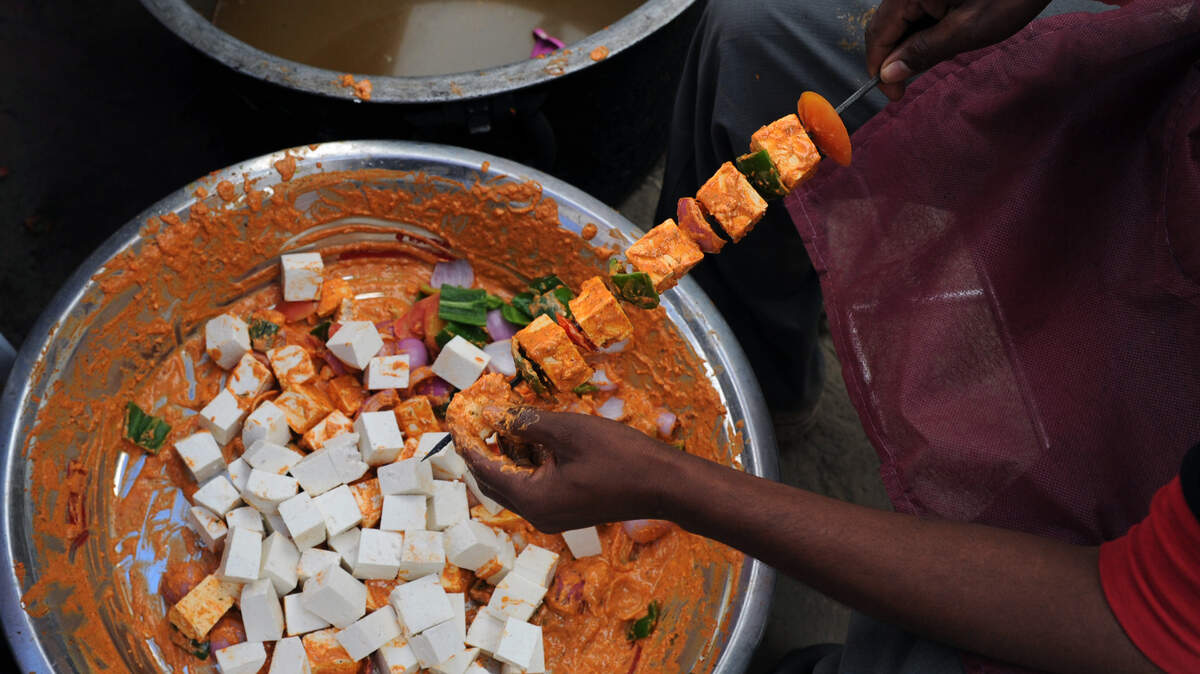
Street food is the fastest way into a city’s culinary soul — and for travelers who skip meat, six destinations are quietly rewriting the rules of what curbside eating can look like.
For vegetarians and vegans, the old travel anxiety of “what can I actually eat here?” is fading in places where plant-based options aren’t an afterthought but the default. From Mumbai’s vada pav stalls to Berlin’s vegan döner counters, street food culture is increasingly built around — not adapted for — meat-free diets.
Why Street Food Matters for Meat-Free Travelers
Street food tells you what locals actually eat, not what restaurants serve to tourists. That distinction matters more for vegetarians and vegans, who often get steered toward Western menus or pricey specialty restaurants abroad.
The cities below flip that dynamic. In Mumbai, roughly 18% of residents identified as vegetarian in a National Family Health Survey, and most iconic street snacks are vegetarian by default. Mexico has the second-highest percentage of vegetarians globally at 19%, behind India at 29.5%, and ties India for the highest share of vegans at 9%.
That demand shapes what shows up on the cart.
Mumbai and Bangkok: Where Plant-Based Is the Default
Mumbai is arguably the world’s vegetarian street food capital. The signature dishes — pav bhaji (spiced vegetable mash with buttered rolls), vada pav (a potato fritter sandwich), pani puri and bhel puri — are meatless to begin with. There’s no substitution or special request required.
Bangkok takes a different but equally welcoming approach. Vendors and menus catering to plant-based eaters are marked with the Thai word “jay” (เจ), meaning they are vegan, often paired with a yellow diamond icon with a red border. Look for pad thai with tofu (ask for no fish sauce, and no egg if vegan), papaya salad without fish sauce, grilled corn brushed with coconut milk, and mango sticky rice.
Mexico City and Ho Chi Minh City: Tradition Meets Demand
Mexico City has leaned into its plant-forward food culture, with more than 3,000 establishments offering vegan options. Street-side, hunt for tlacoyos stuffed with beans and topped with nopales and salsa, plus sopes and huaraches layered with black beans, onion, cilantro and avocado.
Ho Chi Minh City’s plant-based scene is rooted in Vietnamese Buddhist cuisine, known as ẩm thực chay or simply chay. Even Vietnamese who don’t follow chay restrictions full-time often eat plant-based for a few days each month for religious or health reasons. The result: widely available mock-meat dishes built on tofu and seitan, including bánh mì chay made with tofu, fresh spring rolls and phở chay made with mushrooms in place of meat.
London and Berlin: European Cities Leading the Index
London ranked first among all cities in the 2025 Vegan City Index from HappyCow, the leading platform for vegan dining. The city’s famous street food markets — Borough Market, Brick Lane and Maltby Street — are packed with plant-based stalls spanning falafel, dosas, bao and tacos.
Berlin came in third in the same index. The city’s döner culture has produced well-established meat alternatives like seitan and falafel versions, and hummus and pita are everywhere. Markthalle Neun, a historic market hall originally opened in 1891, draws vendors offering global cuisines with plenty of plant-based dishes alongside them.
What to Know Before You Go
A few practical notes for meat-free street food travelers:
- In Thailand, the “jay” label is strict — no animal products, no pungent vegetables like garlic and onion. If you eat dairy or eggs, you may have more options outside jay-labeled stalls.
- In Vietnam, “chay” generally indicates Buddhist vegetarian cooking, which is typically vegan as it focuses on doing no harm to any living things.
- Fish sauce is a frequent-hidden ingredient in Southeast Asian dishes — always ask.
The bigger takeaway: street food and meat-free eating are no longer at odds. In these six cities, the carts and stalls are where plant-based travelers will find the best meals, not the compromises.
This article was created by content specialists using various tools, including AI.