
Help for Charlotte parents who wonder if their child is autistic
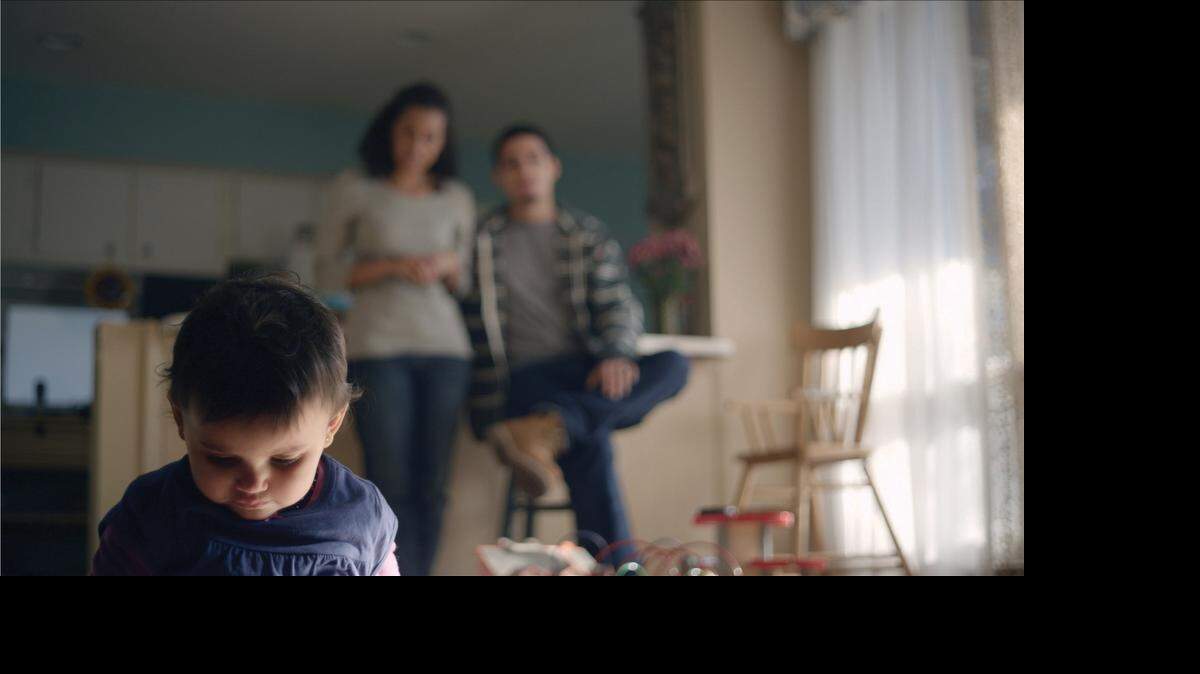
The prevalence of autism in the U.S. has soared in recent decades. There is no single verifiable cause and no magic pill for treatment. But new research suggests earlier diagnosis is possible and, with that, hope for a better outcome.
“The earlier we start good targeted intervention, the better chance we have at molding some of the brain circuits that we know are important for language and social interaction and the things that are impaired in autism,” said Dr. Shafali Jeste, an autism expert at the University of California, Los Angeles.
There is no blood test to quickly alert parents that their young children need help. Instead, diagnoses often don’t come before age 4 or 5 and are made when behaviors seem atypical or when childhood milestones are missed.
Beyond regular developmental screenings by doctors, parents should contact their doctors if they suspect a problem with the way their child plays, learns, speaks, acts or moves.
Parents of young children with autism spectrum disorder (ASD) often describe the time they spend with their child as “lonely,” said Dianne Alexander, Ph.D. of Smart Start of Mecklenburg County, an early childhood services agency.
“There’s a sense of working hard to engage the child and a feeling of failure that you can’t,” said Alexander, who helps guide parents to the services they need.
Nancy Popkin, a Charlotte-based resource specialist with the Autism Society of North Carolina, is trained to help parents. But she’s also the mom of a 21-year-old son with autism. In fact, all 19 resource specialists at the Autism Society are parents of children with autism.
“After the Diagnosis” is among the workshops Popkin teaches. “It’s important to gather information and get started with early intervention, but we also remind parents to breathe,” she said. “Pick one thing to work on and tackle it, and then move on to the next thing. When we become overwhelmed, we can’t be our child’s best advocate.”
Popkin’s son, Gray Stanback, was diagnosed with autism at 3. His parents began talking to him about autism before he was 9. “We didn’t want him to hear it from someone else,” she said. “We talked to him about how everyone is different and everyone’s good at some things and not so good at other things. And we gave him the word: autism.”
Stanback is now a college junior majoring in biology and living away from home.
Parents can look for signs of ASD when their child is as young as 12 months. But signs are usually most noticeable at around 14 months and beyond.
The first step? Talk to your pediatrician. But Alexander said if you’re concerned but your doctor isn’t, take action.
She advises calling the Children’s Developmental Services Agency (CDSA) for an evaluation. Children with developmental delays who are age 3 and younger should be evaluated at CDSA.
ASD can take parents by surprise. It can emerge after a period of relatively normal development. “Any loss of any skill should be immediately addressed,” Alexander said.
“Waiting should never be an option,” she said. “It’s better to be pleasantly surprised when a child develops skills than to be devastated that you’ve wasted time waiting for skills to show up and they don’t.”
Page Leggett, Chicago Tribune
Know the signs
Smart Start’s Diane Alexander says parents should look for: unusual visual fixations; a greater interest in objects than in people; abnormal repetitive behaviors; significantly reduced variety of sounds, words and gestures; neutral facial expressions and decreased effort to gesture or get a parent’s attention; difficulty maintaining face-to-face interaction.
Where to get help
▪ Autism Society of North Carolina: autismsociety-nc.org. Mecklenburg County chapter: asncmeck.org, info@asncmeck.org.
▪ Children’s Development Services Agency: 704-336-7100.
▪ Smart Start’s Guiding Parents to Services (GPS): 704-943-9416, smartstartofmeck.org.
▪ TEACCH autism program: 919-966-2174, teacch.com.
This story was originally published May 4, 2015 at 2:00 AM with the headline "Help for Charlotte parents who wonder if their child is autistic."