Thousands die every year from opioid overdoses. Can the crisis also affect animals?
An estimated 136 people in the U.S die each day from an opioid overdose and thousands more are impacted in other ways.
However, many pet owners may not know that the widespread availability of the drugs – and the amount of opiates that are obtained illegally – can put animals at risk, too.
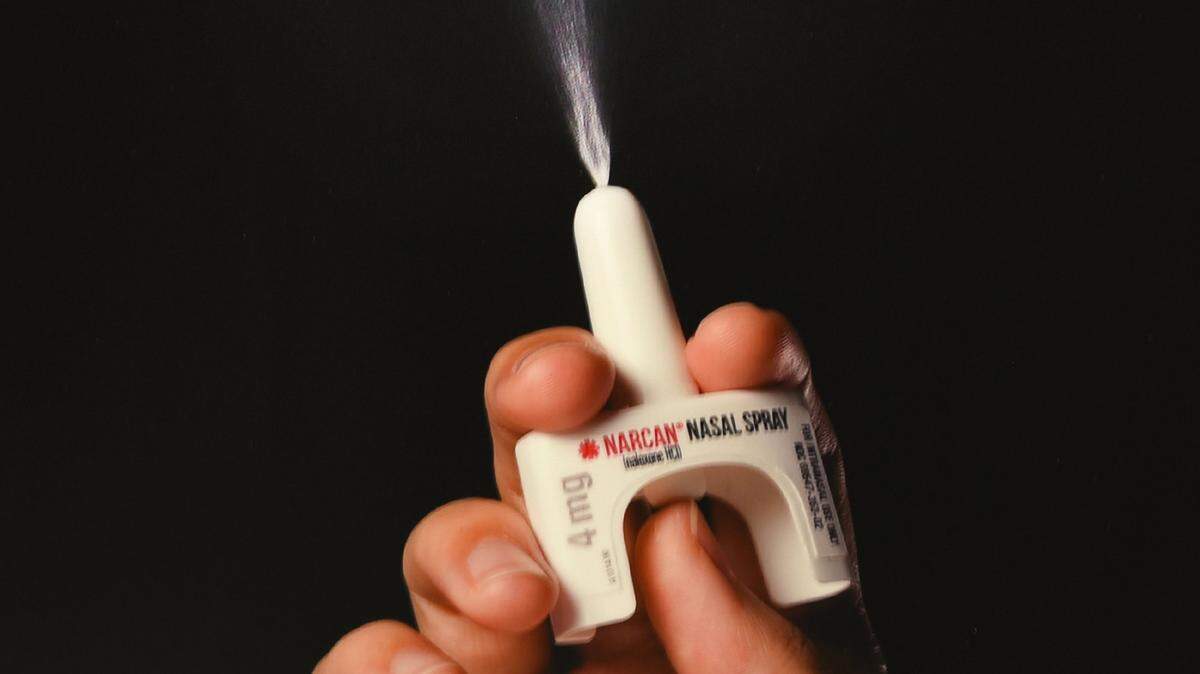
That was the case when officers in Mooresville saved a dog’s life using Narcan, a prescription nasal spray used to treat suspected opioid overdoses, after the animal reacted to “an unknown white substance” inside a discarded plastic bag on Jan. 16, police said in a news release Friday.
There have been some instances where K9 officers, who are trained to smell illegal drugs, have ingested opiates like fentanyl – a drug 100 times more potent than morphine. A lethal dose of fentanyl looks like a few grains of salt, and is so lightweight that it can float in the air, according to the Purdue College of Veterinary Medicine.
Fortunately, there are signs of opioid poisoning in dogs you can look for, and steps you can take to treat them if ingestion occurs.
Signs of opioid poisoning in dogs
Dr. Paula A. Johnson, a clinical assistant professor at Purdue University College of Veterinary Medicine, signs and symptoms of opioid overdose in dogs include:
Decreased responsiveness
Agitation
Trouble walking
Respiratory depression
Dribbling urine
Dilated pupils
Vomiting
Collapse
What to do if your pet overdoses
Doctors at the University of Illinois College of Veterinary Medicine developed a guide to treat dogs who have been exposed to opioids.
If your dog isn’t showing symptoms, you should monitor them for at least 30 minutes, and have an emergency dose of Narcan if symptoms appear.
If your dog is showing symptoms, you should administer 0.4 mg/kg of Narcan while wearing gloves and a mask to avoid exposure. Your dog should also be transported to a veterinary facility for further treatment.
How to administer Narcan to your dog
Response to Narcan is unpredictable, and your dog may wake up disoriented after treatment, according to veterinary experts at Working Dog HQ, a website dedicated to providing advice to first responders who work with K9 officers.
Here’s how to administer Narcan to your dog:
Hold the snout closed with one hand and place the tip of the atomizer or device inside one nostril.
Compress the syringe/device to deliver the Narcan.
Immediately place a basket muzzle on the dog after naloxone is administered. Response to naloxone is unpredictable and your dog may wake up flailing and biting.
Where to get Narcan in Charlotte
Narcan is available at most retail pharmacies in North Carolina, according to the N.C. Department of Health and Human Services. It is covered by most insurance policies.
How you can protect your dog from an overdose
Some cases of opioid poisoning occur when a pet gets a hold of improperly stored prescriptions, so proper use and disposal can be key to prevention, the FDA says.
When in public spaces, it’s best to monitor your dog closely and pay attention to what they are sniffing and putting into their mouths.
This story was originally published February 11, 2022 at 5:44 PM.