
Travel Better: Take a low-tide drive to medieval Lindisfarne
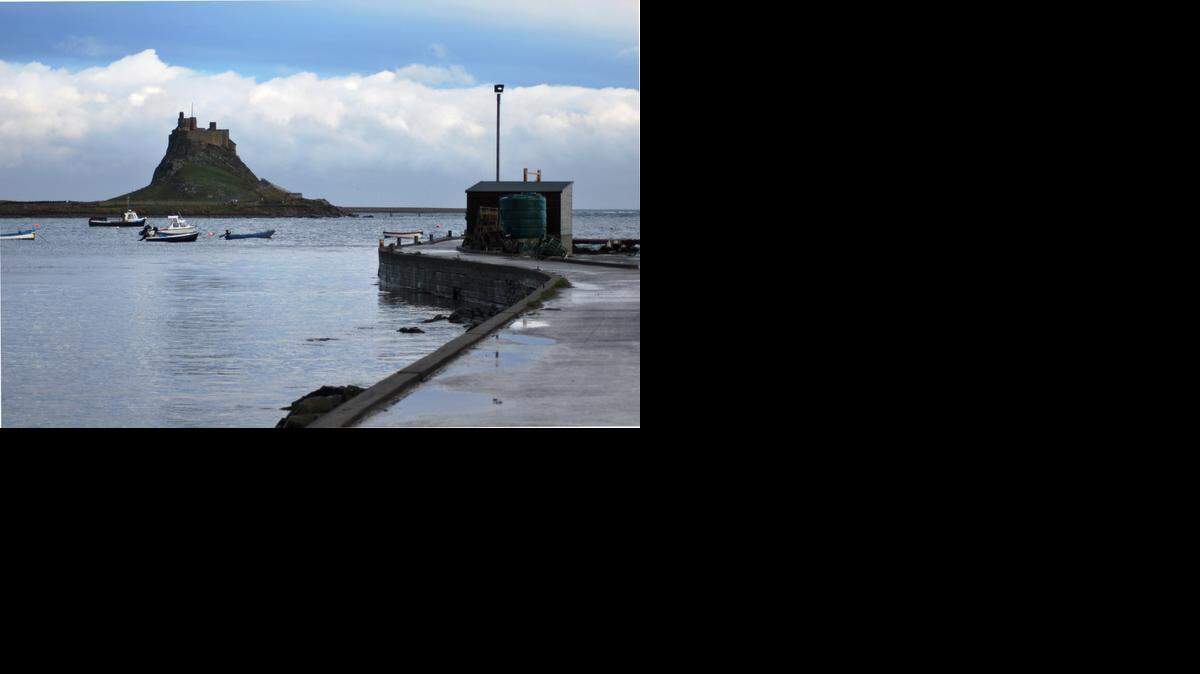
When the Vikings landed on Lindisfarne in 793, they changed the course of English history.
Also known as Holy Island, Lindisfarne nestles just off the Northumberland coast of England near the border of Scotland. Twice daily, strong tides from the mainland separate Lindisfarne and turn it into a romantic, windswept destination.
Ending your visit can be a challenge: Leave before the tide rolls in or it will make you a “prisoner” for roughly six hours. The key is checking tide schedules and weather reports. The causeway, a narrow strip of tarmac across the sea floor, is open three hours after high tide until two hours before the next high tide.
Lindisfarne is a medieval delight, with pastoral sheep-laden settings, ancient ruins, hilltop castle and quaint village shops and cafes. Among the most popular delicacies are the crab sandwiches that locals enjoy as much as the visitors.
The priory was founded by the Irish monk St. Aiden in 635. For nearly 150 years it was a Christian base in northern England and a refuge until the Vikings arrived and brought havoc. By 875 the monks had fled.
For centuries, Lindisfarne was mostly a fishing and farming community, but it also had a lime-burning industry with kilns considered to be among the most advanced in the region. Though abandoned after the Industrial Revolution, the wagon roads between the quarries and kilns still exist.
Holy Island was, and remains today, known for its mead. The ancient grog was said to fortify the body for doing God’s work.
The other landmark, Lindisfarne Castle, is built atop a volcanic mound. Constructed in the 1550s, the castle is reminiscent of Mont St. Michel in France. Though smaller than its French cousin, Lindisfarne Castle is the most distinctive feature of the island.
With nearly 9,000 acres, Lindisfarne hosts more than 300 species of birds plus a brilliant display of marine life, thanks to the Lindisfarne National Nature Reserve.
Part of what makes Lindisfarne relatively obscure is its isolation, but that is also much of its charm.
Though tricky to reach, Lindisfarne Island is well worth the effort.
Details: www.lindisfarne.org.uk.
Bob Taylor of Charlotte leads group tours and organized the Magellan Club. Find his “Travel Better With Bob Taylor” blog at charlotteobserver.com/travel.
This story was originally published April 3, 2015 at 2:00 PM with the headline "Travel Better: Take a low-tide drive to medieval Lindisfarne."