
Inside Integrative Health: This overlooked macronutrient could change everything
AI-generated summary reviewed by our newsroom.
- Fiber supports digestion, blood sugar balance, and chronic disease prevention.
- Most U.S. adults consume far below the recommended daily fiber intake levels.
- Whole foods outmatch processed sources in fiber quality and microbiome benefits.
Most nutrition advice zeroes in on protein, fats and carbohydrates — but one macronutrient often gets left off the discussion: fiber. It may not be the most glamorous, but fiber plays a critical role in overall health and many of us aren’t getting nearly enough.
What exactly is fiber?
Fiber is technically a type of carbohydrate — the parts of plant foods our bodies can’t fully digest or absorb. It doesn’t provide energy in the same way sugar or starch does, but because it’s essential for many bodily systems, it’s often highlighted alongside traditional macronutrients. Some experts and public-health organizations even include fiber (and water) in discussions about macronutrient needs.
There are two major forms of fiber:
- Soluble fiber, which dissolves in water and turns into a gel-like substance in the gut. It slows digestion, helps regulate cholesterol and blood sugar, and supports a healthy gut microbiome. You’ll find it in oats, fruits, beans, peas, nuts, and certain vegetables, according to the Harvard School of Public Health.
- Insoluble fiber, which does not dissolve, adds bulk to stool and helps with regularity. This type is abundant in wheat bran, whole grains, and non-starchy vegetables, per the Mayo Clinic.
Why fiber matters
Here are some of the key ways fiber supports the body:
- It improves digestive health by preventing constipation, diverticular disease and hemorrhoids, while promoting regular bowel movements.
- It contributes to weight management by increasing satiety and helping reduce overall calorie intake.
- It helps regulate blood sugar, which is especially important for people with or at risk of type 2 diabetes.
- It supports gut and immune health by feeding beneficial gut bacteria, improving microbial diversity, and reducing inflammation.
- It lowers the risk of chronic diseases such as heart disease, diabetes, and some cancers.
How much fiber should you be getting?
Fiber needs vary by age and sex. Current guidelines recommend:
- Women under 50: 25 to 28 grams daily
- Men under 50: 31 to 34 grams daily
- Women 51 and older: about 22 grams daily
- Men 51 and older: about 28 grams daily
A general rule of thumb is 14 grams of fiber per 1,000 calories consumed. Yet most U.S. adults average closer to 16 grams per day — well below target.
Not all fiber works the same
Packaged foods often tout added fiber from ingredients like inulin, cellulose or gums. These functional fibers can deliver some benefits, such as improving blood sugar or cholesterol, but they don’t provide the full range of advantages found in intact, whole-food sources — especially for microbiome diversity and inflammation. Whenever possible, prioritize whole foods, such as brown rice or beans.
Excellent whole-food fiber sources
Examples of fiber-rich foods include:
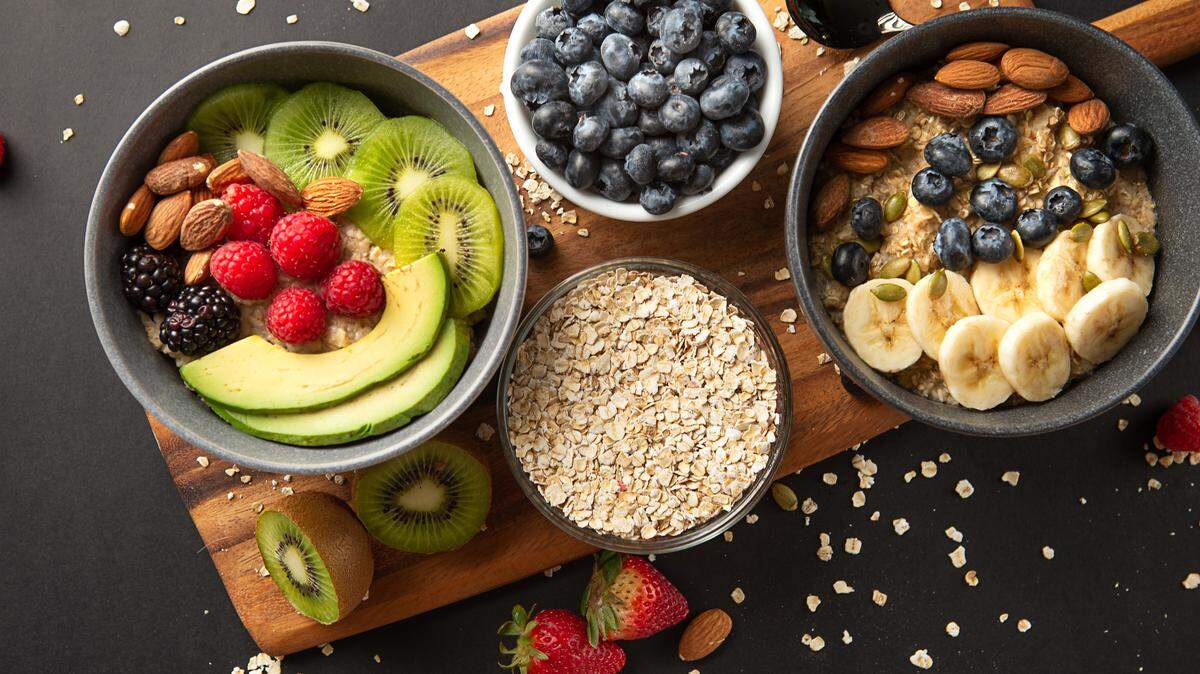
- Fruits: raspberries (~8 g per cup), blackberries (~7 g), pear with skin (~5.5 g), apple with skin (~4.5 g), avocado (½ medium, ~5 g).
- Vegetables: broccoli (~5 g per cooked cup), Brussels sprouts (~4-5 g), sweet potato with skin (~4 g), artichoke (~7 g), carrots (~3.5 g).
- Legumes: lentils (~8 g per ½ cup cooked), black beans (~7-8 g), chickpeas (~6 g).
- Whole grains: steel-cut oats, quinoa, brown rice, buckwheat, millet — less processed versions deliver more fiber and help stabilize blood sugar.
- Nuts and seeds: chia, flax, hemp, pumpkin, almonds, pistachios — easy to sprinkle on yogurt, oatmeal, or salads for a boost.
Bottom line
Fiber may not grab headlines the way protein or fat do, but its impact across digestion, blood sugar control, microbiome balance, and chronic disease prevention is hard to overstate. The good news is you don’t need a complete diet overhaul. Simple shifts — like adding berries to breakfast, switching to whole-grain options, or tossing beans into soups — can significantly raise your intake. For hormones, digestion and long-term health, fiber might just be the missing piece you’ve been overlooking.