“GLP-1-Friendly” Condiments: Why Hot Sauce, Chili Crisp and Bold Sauces Are Booming in the Age of Ozempic
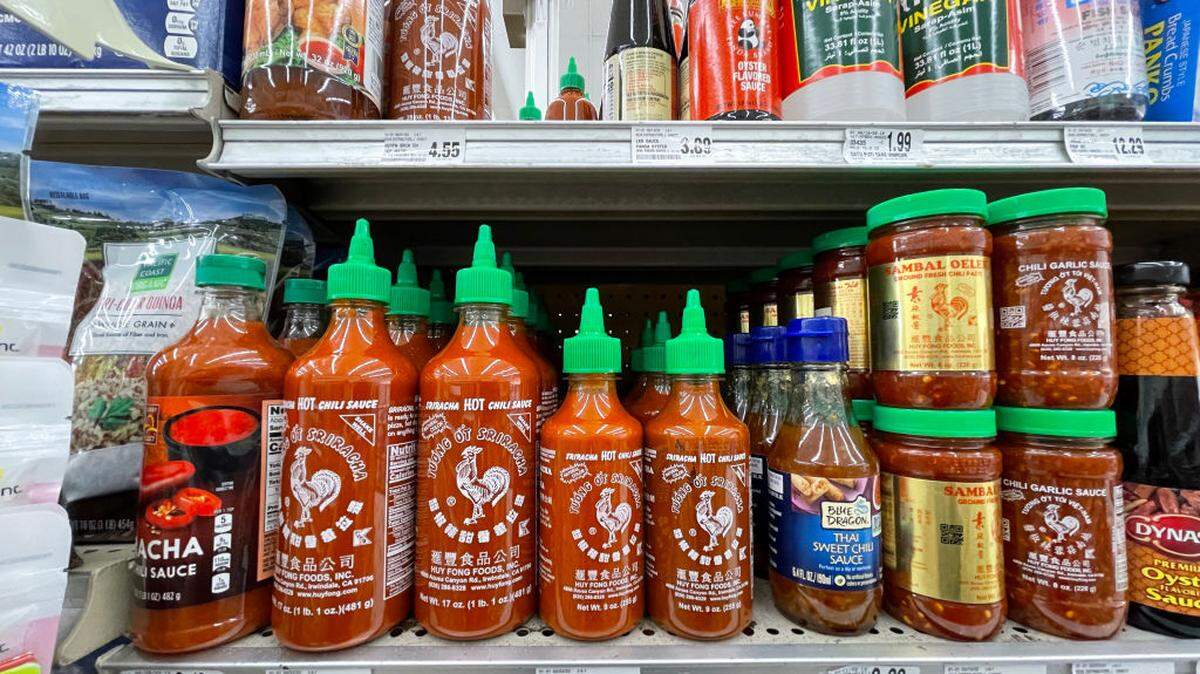
About 12% of Americans have used GLP-1 drugs like Ozempic or Wegovy. The eating patterns those medications are driving — smaller portions, more protein, bold global flavors, less ultra-processed food — happen to be solid nutritional principles for anyone.
The most visible proof is a condiment boom reshaping grocery aisles and corporate dealrooms alike. If you optimize for better energy, smarter eating and staying ahead of what’s next, this is the food shift worth understanding right now.
Billions Are Flowing Into The Bold Flavor Market
Investors are pouring serious money into bold condiments and they’re explicitly citing GLP-1 demand as the reason. Reuters reported that Bachan’s Japanese BBQ sauce sold for approximately $400 million on $87 million in 2025 net sales to The Marzetti Company, whose CEO publicly called the product “GLP-friendly.”
Tapatío, the #5 U.S. hot sauce brand, was acquired by Dallas PE firm Highlander Partners in January 2026, with chairman Jeff Partridge citing GLP-1 flavor demand directly: “Whether it’s GLP-1 or desire for proteins, Tapatío and hot sauces enhance that experience.”
McCormick and Unilever Foods announced a merger in late March 2026, consolidating a major hot and spicy sauce portfolio under one roof. Meanwhile classic condiment sales — mayo, ketchup and salad dressing — are declining while bold and functional condiments rise. This isn’t a niche trend. It’s a market restructuring.
What GLP-1 Drugs Actually Do to Your Sense of Taste
Here’s the science behind the flavor chase. A March 2025 ScienceDirect study led by Dr. Richard Doty of the University of Pennsylvania found GLP-1 medications significantly dull all five basic tastes — sweet, salty, sour, bitter and savory. That’s the clinical reason users crave more intense flavor.
The picture is more nuanced than “everything tastes bland” though. One consistent finding: 75% of GLP-1 users report sensitivity to overly sweet foods, describing them as “sickly sweet,” with aversions to the scent and texture of fried and creamy foods as well.
GLP-1 drugs also cause muscle mass reduction, which drives users toward protein — particularly chicken, which is mild by nature and leans on condiments for satisfaction. As Marzetti CEO Dave Ciesinski put it to Reuters: “We all know that chicken tastes like chicken, so it begs for flavor.”
The GLP-1 Eating Pattern Crossing Into Mainstream Wellness
A February 2026 survey of 2,117 U.S. adults found more than half of GLP-1 users are buying more fresh produce, a third increased purchases of fresh chicken and protein, and 41% say the dietary changes have improved their whole household’s eating habits. Among Millennials that household improvement number reaches 79%. GLP-1 users are also investing 55% more in fresh produce than before starting the medication.
Crucially, GLP-1-friendly dishes at restaurants are drawing in customers who aren’t on the medications at all, per CNBC’s March 2026 analysis. The eating pattern has crossed into mainstream wellness, which means its cultural shelf life extends well beyond any drug cycle.
What This Food Trend Looks Like on The Plate
The protein bases driving this trend are chicken, eggs, Greek yogurt and cottage cheese — all mild foods that rely on condiments for satisfaction. The condiments getting reached for are:
- Hot sauce and chili crisp for heat and umami depth
- Gochujang for fermented, sweet-spicy complexity — U.S. launches are up 120% year-over-year
- Japanese BBQ sauce like Bachan’s for a savory, tangy glaze on lean proteins
- Kimchi and other fermented condiments for gut-friendly flavor and acidity
- Swicy (sweet and spicy) BBQ sauces, which are driving an entire wave of new product launches
The foods being left behind are the overly sweet, rich and heavily fried — exactly what GLP-1 users are naturally gravitating away from.
What To Keep in Mind
This is a food culture shift, not a drug recommendation. Some consumers distrust overtly branded “GLP-1 friendly” products and prefer simple, recognizable condiments, according to the February 2026 consumer survey. One nutritional reality worth flagging: micronutrient needs don’t drop with appetite, and GLP-1 users may be deficient in zinc, copper and magnesium according to Food Navigator’s Expo West coverage.
The framework these drugs are pushing people toward — high protein, bold clean flavor, smaller portions, less ultra-processed food — is what nutritionists have recommended for years. The prescription made millions of people finally follow through, but the pantry shift is available to anyone.
This article was created by content specialists using various tools, including AI.
This story was originally published April 22, 2026 at 1:24 PM.