Do turkey tail mushrooms really shrink lipomas for dogs? What the research says so far
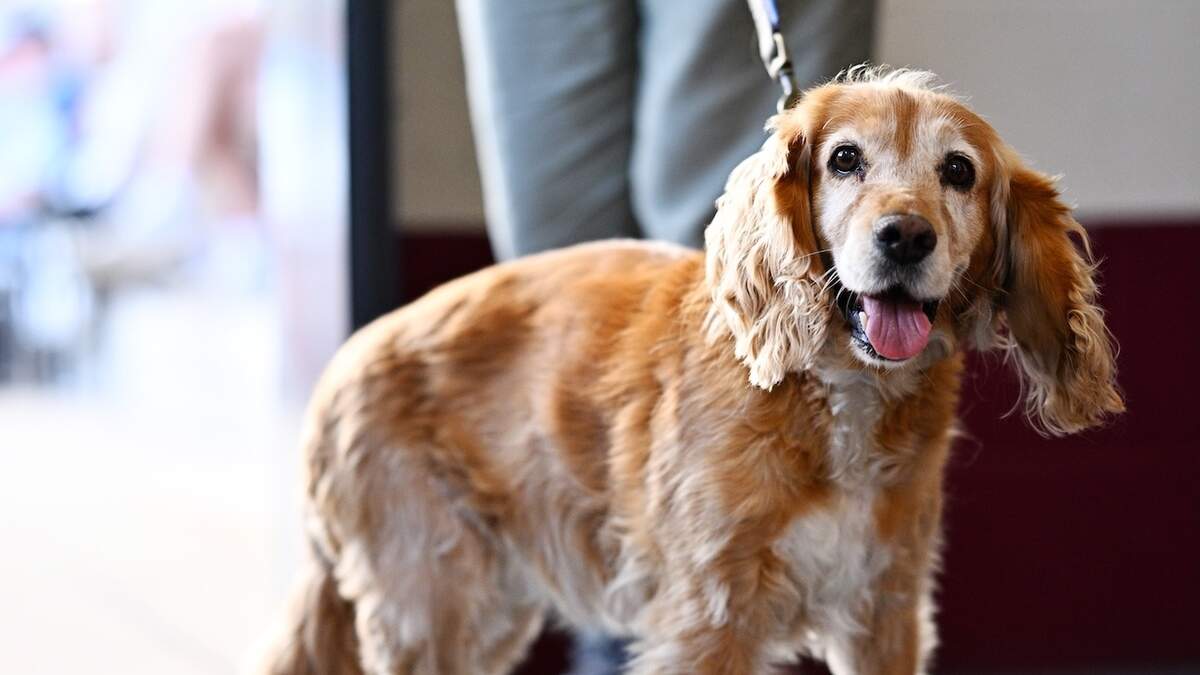
Online chatter has surged around a single question. Can turkey tail mushrooms shrink lipomas, the soft, fatty lumps that show up under the skin of countless aging dogs? Pet owners hunting for a gentler alternative to surgery have latched onto the fungus as a possible answer. Veterinarians, though, are pushing back on the claim, and the actual science tells a more complicated story about what this mushroom can and cannot do.
Turkey tail (Trametes versicolor) grows naturally on dead logs and tree stumps, forming the colorful, layered fans that give the fungus its name. It contains two bioactive compounds, polysaccharide-K (PSK) and polysaccharide-peptide (PSP), which contain β-glucans believed to modulate immune function, act as antioxidants and potentially inhibit tumor progression, according to Milo Naturals.
The Lipoma Claim and What Veterinarians Actually Say
The most viral claim circulating online, that turkey tail mushrooms shrink benign fatty tumors in dogs, does not hold up under veterinary scrutiny. Patton Veterinary Hospital addressed the trend directly on its website. “Recent online posts suggest that turkey tail mushroom helps shrink benign fatty tumors called ‘lipomas’ in dogs. These claims are completely unfounded. There is NO scientific research to support turkey tail having any effect on lipomas in dogs. Any reduction in tumor size is anecdotal and may be due to a variety of reasons including weight loss. And, while a lipoma may decrease in size, it is unlikely to completely go away unless surgically removed.”
Canine Ceuticals offered a similar take, framing the mushroom as indirect support rather than a treatment. “Turkey Tail is unlikely to directly reduce or dissolve existing lumps. However, it may provide indirect support by helping regulate immune function and cellular signalling. Its bioactive compounds support immune surveillance and balanced immune responses, which may help the body better manage abnormal tissue changes over time.”
What Cancer Research Has Found Regarding Turkey Tail Mushrooms
Where turkey tail does have a stronger scientific footing is in cancer support, not as a cure, but as a complementary therapy. The mushroom is part of a broader family of medicinal fungi long used in human and veterinary practice.
“Many of the mushrooms that are used for medicinal purposes are among some of the most prized edible species, such as shiitake, button, cremini, portobello and oyster, maitake, lion’s mane and cordyceps,” said Dr. Rob Silver, DVM, MS, a holistic veterinarian and medicinal mushroom expert, per the American Kennel Club. “They have been edible for thousands of years and have stood the test of time.”
The most cited research is a 2012 pilot study from the University of Pennsylvania School of Veterinary Medicine. Dogs with hemangiosarcoma, an aggressive cancer, that were treated with a PSP extract derived from turkey tail (sold under the brand name I’m-Yunity) experienced delayed metastasis and longer survival times than expected. The findings were promising, but the study was small, and subsequent research has not yet provided strong confirmation. Turkey tail is therefore sometimes used as a complementary therapy for dogs with hemangiosarcoma, though more robust clinical studies are needed.
Cat research is even thinner. A 2023 laboratory study found that turkey tail extract showed activity against Toxoplasma gondii, the parasite responsible for toxoplasmosis. Clinical evidence of meaningful benefit in cats remains limited.
Dr. Noel’s Mushroom Powder describes the mechanism this way. “Cancer creates oxidative stress in the body, a kind of internal rusting. Turkey Tail mushrooms are rich in antioxidants that help combat this stress, reducing inflammation and supporting cellular health.”
Side Effects and How to Choose a Supplement
Turkey tail is generally considered safe for pets, but it is not without risk, and quality matters. Dr. Ruth Roberts cautions owners to start slowly and check with a veterinarian.
“While generally safe, turkey tail mushrooms may cause mild digestive upset in some pets, especially if introduced too quickly. Start with a low dose, and gradually increase as your pet’s tolerance allows. Avoid turkey tail mushrooms for pets with mushroom allergies or those with known hypersensitivities,” Roberts said. “Additionally, always discuss any supplement with your veterinarian, especially if your pet is on medications or has a pre-existing health condition.”
On choosing a product, she advised, “When selecting a turkey tail mushroom supplement for your pet, look for high-quality, organic products free from fillers or artificial additives. Powdered extracts and capsules are common options and can be mixed with food or administered directly. Be sure to choose a product specifically formulated for pets to ensure it meets purity and safety standards.”
One Owner’s Experience With a Dog Facing Cancer
Anecdotal stories continue to drive much of the interest in turkey tail. Dana Scott shared her dog Audrey’s experience with Dogs Naturally Magazine in a March 2022 post, when Audrey had been living with hemangiosarcoma for more than a year.
“If you have a dog with hemangiosarcoma, that might sound strange to you … only 12% of dogs with this deadly cancer make it past 12 months,” Scott wrote. “But Audrey is determined to beat the odds … and I’m determined to help her. And I believe turkey tail mushrooms are a big part of Audrey’s success.”
Scott cited the 2012 University of Pennsylvania study, calling it “remarkable” and noting that “the dogs in the study had the longest survival times ever reported for dogs with the disease.”
“Today, Audrey is still chugging along. She enjoys daily walks in the woods and she eats with a good appetite. I know my days with Audrey are limited, but I’m thrilled that she’s been doing so well. And I feel that her daily mushrooms have added to her beating odds that are very much against her.”
The takeaway for pet owners is straightforward. Turkey tail is not a proven treatment for lipomas, and the studies behind its cancer benefits, while encouraging, remain early. Any decision to add it to a dog’s routine belongs in a conversation with a veterinarian.
This article was created by content specialists using various tools, including AI.
This story was originally published June 25, 2026 at 6:00 PM with the headline "Do turkey tail mushrooms really shrink lipomas for dogs? What the research says so far."