
‘Get in and get those mammograms,’ Charlotte cancer patients, docs say, amid COVID-19
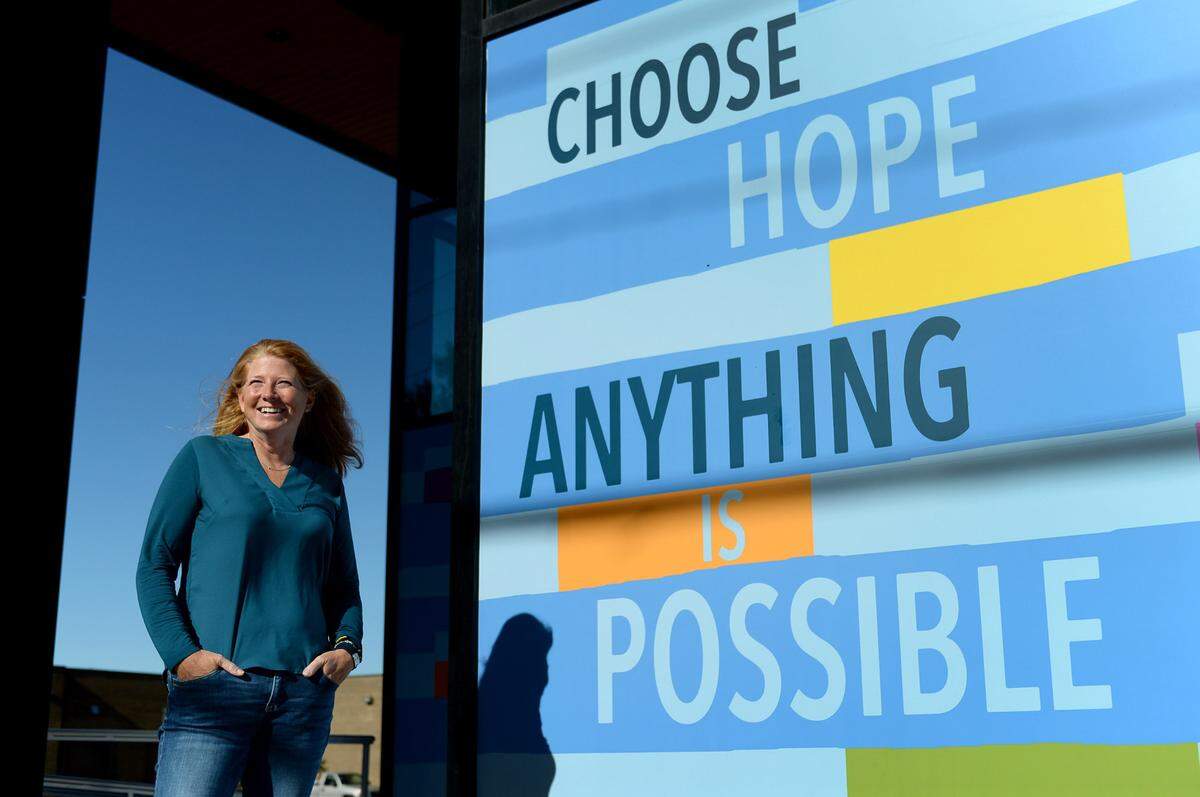
Stanley resident Meg Robertson gets a mammogram once a year – always in March, her birthday month.
But this year, when the coronavirus pandemic struck North Carolina, her annual mammogram was canceled.
She planned to skip it this year. But after she saw a news story on how many people were dropping preventative care like mammograms and colonoscopies, she decided to reschedule. Robertson, 47, had a mammogram last month. A few weeks later, she got the news: she has Stage 1 breast cancer.
Robertson isn’t alone in delaying screenings and preventative care during the pandemic. Both Atrium Health and Novant Health, Charlotte’s major health systems, said their doctors have seen a sharp decrease in screenings like mammograms in the months since COVID-19 took over North Carolina.
Now, during Breast Cancer Awareness Month, Robertson and other breast cancer patients want to use their stories to help save lives.
A delay in screenings could lead to more advanced cancers in patients, Novant oncologist Dr. Matt McDonald said.
Based on recommendations from national health groups, Atrium Health screening partner Charlotte Radiology canceled screening mammograms between mid-March to mid-May, Atrium breast surgical oncologist Dr. Lejla Hadzikadic-Gusic told the Observer. That pause in screenings affected about 18,000 women in Charlotte, Hadzikadic-Gusic said.
Since resuming screenings in May, over 90% of affected patients have come back in for the screenings they missed, she said. That’s the result of a big push from Atrium and Charlotte Radiology to encourage people to set up screenings, she said.
It’s important for people to continue getting preventative screenings, even amid a pandemic, Hadzikadic-Gusic said. That’s because, like any cancer, it’s critical to catch breast cancer as early as possible.
“We do know that, presumably, the longer that you wait, the larger the size of a tumor is going to be,” she said.
‘Easier to forget’
Huntersville resident Pamela Hempstead, a Novant patient like Robertson, got diagnosed with breast cancer in January — right before the pandemic put North Carolina hospitals on high alert.
Her mammogram in January was her first in nine years, after losing her insurance.
Hempstead, whose mother died of breast cancer, got her first mammogram at 30. But once she lost her insurance, she started avoiding any reminder of breast cancer.
“It was easier to forget about it,” she said.
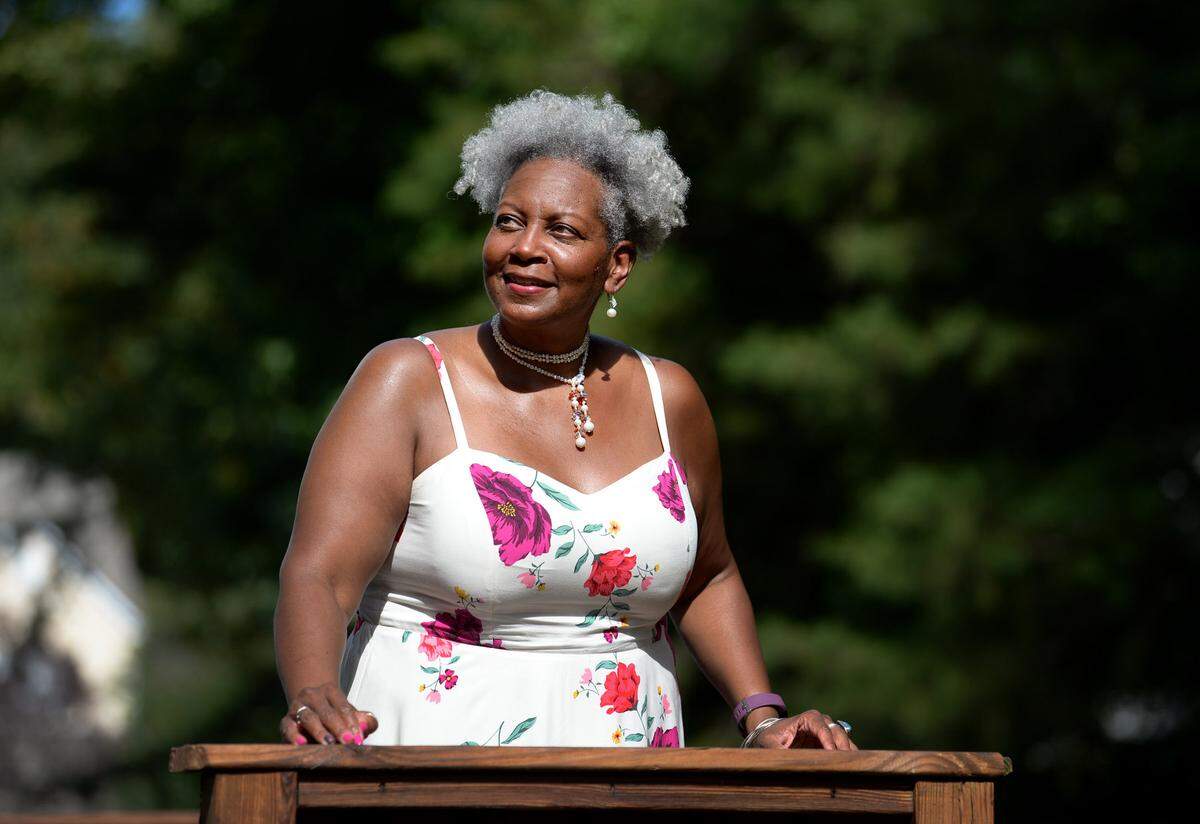
But when a friend needed a mastectomy, she encouraged Hempstead to go back to the doctor and get a mammogram. And last year, Hempstead, a 52-year-old fitness instructor at the YMCA, qualified for Affordable Care Act coverage.
After her mammogram, doctors recommended she get a biopsy on a lump in her breast. When she got the pathology report back, Hempstead breathed a sigh of relief. There was a lot on the paper she didn’t understand, but it told her she was negative for invasive carcinoma.
She almost didn’t show up for her follow-up after that. But a friend pushed her to go regardless.
“I really was just so cavalier about it,” Hempstead said. “I mean, I didn’t even get there on time.”
At the doctor’s office, a nurse took her to a conference room. Hempstead did indeed have breast cancer. But the cancer was Stage 0 — contained in the milk ducts.
The nurse told her: “If there was a best case basis with breast cancer, you have it.”
Hempstead had two options: a lumpectomy and radiation, or a mastectomy.
“(A mastectomy is) just so drastic. But I remembered something that my mom told me when she was at the end of her life journey,” she said. “She said, if she had to do it all over again, she would have done a mastectomy.”
So Hempstead opted to do a single mastectomy. But after a genetic test revealed she is predisposed for breast and ovarian cancer, doctors recommended a double mastectomy along with a hysterectomy.
Hempstead’s surgeries were postponed due to limited ICU beds at the height of the pandemic. She had the mastectomy and reconstruction in June, and the hysterectomy in September.
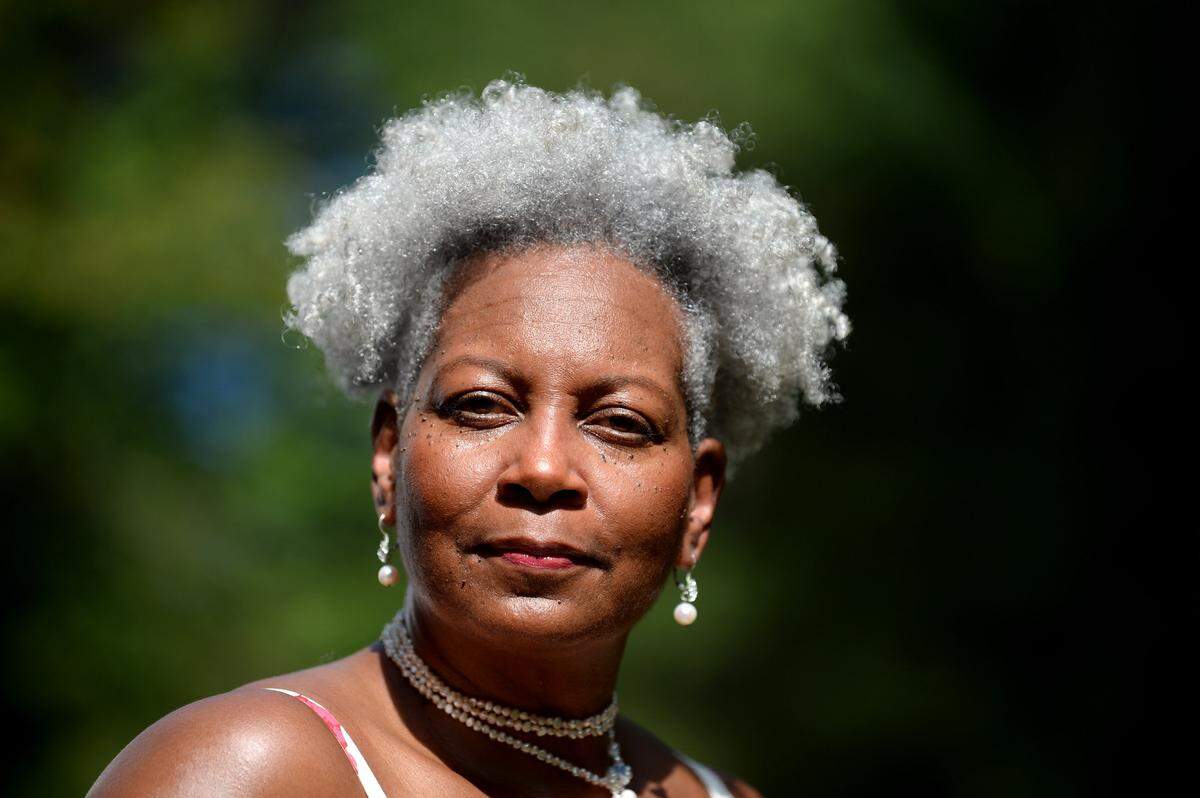
While she waited for the mastectomy, she said it was important to take time to grieve. At first, she didn’t want to cry, because she didn’t want to be weak.
“Then I realized, God gave us tears for a reason,” Hempstead said. “He gave us the emotion of sadness and sorrow for a reason, and so I had to give myself permission to cry. And I think I’ve cried more this year than I have in my whole life.”
There’s a lot to process.
“It’s already a lot to go through a pandemic,” she said. “And add to that a disease that I lost my mom to on top of that is a whole lot to deal with.”
But Hempstead is so grateful she got that mammogram in January. And she encourages others to talk to their doctor, and to make sure they’re receiving screenings.
“My message to anyone is to get in and get those mammograms, get that genetic testing, so that you know,” Hempstead said. “There’s a lot of power in knowledge, regardless of what you decide to do with that knowledge.”
Cancer diagnoses
There was a marked decrease in cancer screenings during the first few months of the pandemic, Novant doctor McDonald said. Now, patients are returning, but plenty of people are still delaying critical screenings, he said.
Lately, McDonald said he’s been seeing more patients with advanced cancers. He can’t link every one of those cases to delayed screenings, but said: “definitely there’s a relationship to COVID, I feel confident.”
COVID-19 is just one of the barriers to routine health screenings, said Mellisa Wheeler, director of disparities and outreach program for Levine Cancer Institute at Atrium Health. Some people who need routine mammograms may not be getting them because of fear or lack of resources, insurance or transportation.
To break down those barriers, Atrium’s Project Pink offers eligible people in underserved communities free mammograms and follow-up care, Wheeler said.
Project Pink primarily serves uninsured people ages 40 and up. But Wheeler said Project Pink has helped patients as young as 18, adding that “breast cancer doesn’t discriminate.”
Life-saving screening
Anyone with breast tissue is at risk for breast cancer, Wheeler said — including men, though regular mammograms aren’t recommended for most men.
Regular mammograms are especially important for people with family history of breast cancer, Wheeler said. But some people, like Atrium breast cancer patient Sandra Goldman, are diagnosed with no family history whatsoever.
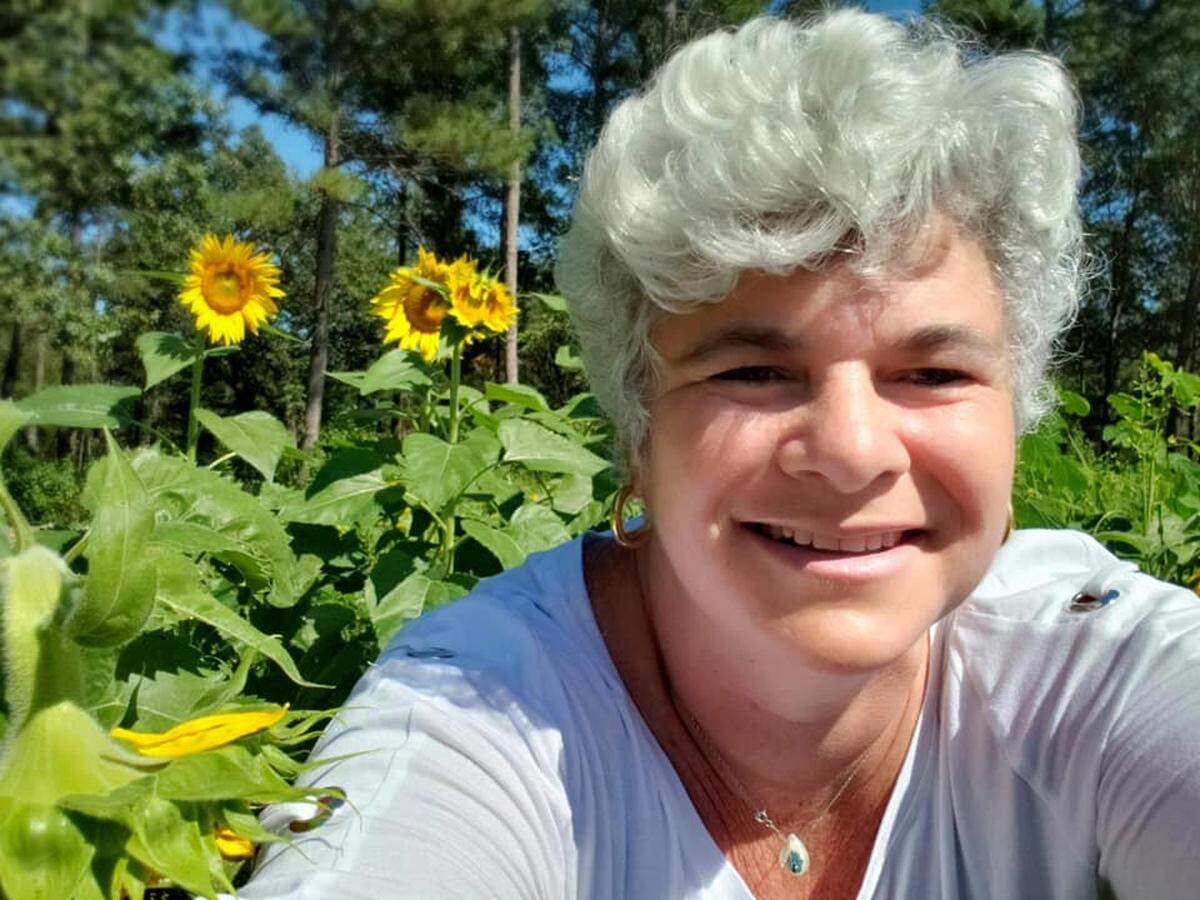
Unlike many other breast cancer patients, Charlotte resident Goldman, who was first diagnosed in October 2010, doesn’t have a genetic predisposition to breast cancer.
Goldman had decided to have her mammogram three months early that year, and was diagnosed with Stage 2 breast cancer. She had a single mastectomy in 2010 along with four rounds of chemotherapy. But five years later, she was diagnosed with breast cancer again, this time in her pectoral muscle.
And last October, Goldman was diagnosed with breast cancer for the third time. Because it was found in both her pectoral muscle and deltoid, her cancer is considered Stage 4 metastatic breast cancer.
Goldman, 52, is now treating her cancer with oral chemo and a monthly estrogen blocker shot. She said she believes getting her mammogram early in 2010 saved her life.
“Who knows what would have happened if I would have waited an entire year,” she said, adding advice for those considering mammograms: “Don’t be afraid to go.”
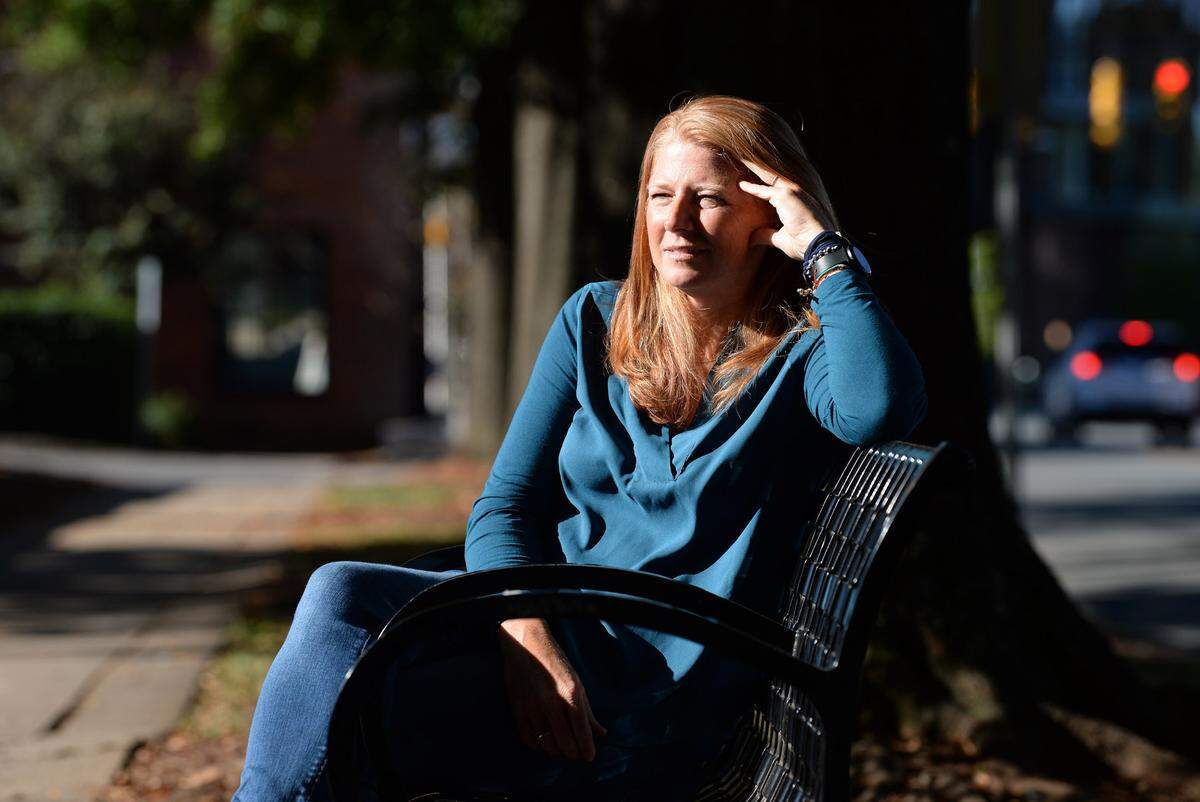
Robertson, who was diagnosed in September, is still awaiting surgery. She’s decided to get a double mastectomy.
But she wants to make sure other people hear her story and set up appointments for the potentially life-saving screenings.
Breast cancer typically affects women and right now, many women may be focused on caring for everyone else around them, Robertson said. Especially the many moms homeschooling or supervising at-home learning for kids stuck at home during the pandemic.
“Make time for it,” Robertson said. “Because it can save you. In some cases, it can save your life.”
This story was originally published October 15, 2020 at 7:00 AM.
.jpg)