Federal COVID unemployment benefits are about to end. Here’s how it will impact NC
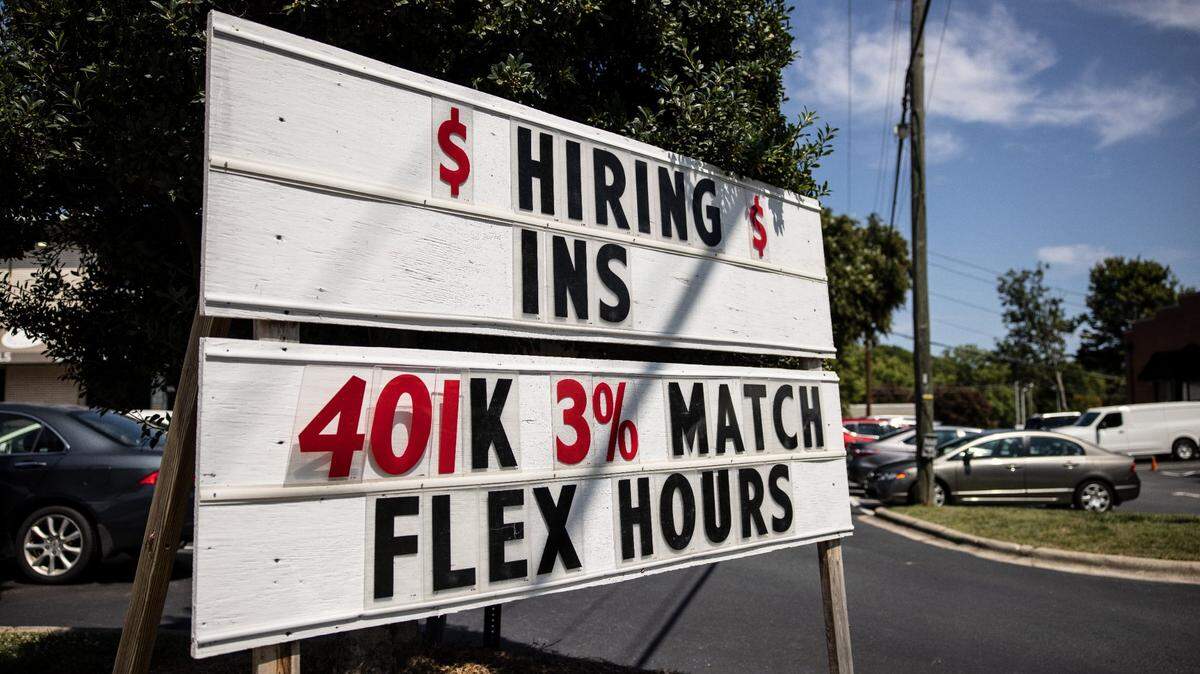
Pandemic unemployment benefits are set to expire Saturday, Sept. 4 in North Carolina and in a number of other states across the U.S.
More than 100,000 North Carolinians will be affected by the change, which concludes a nearly 18-month period of increased benefits for those rendered jobless since the initial COVID outbreak.
Here’s what you need to know about it:
Which unemployment programs are ending?
These federal programs are set to expire this Saturday, per the N.C. Department of Commerce:
Pandemic Emergency Unemployment Compensation: A federal extension to benefits for people who have exhausted state unemployment aid.
Pandemic Unemployment Assistance: Federal benefits for the self-employed or people otherwise ineligible for state unemployment insurance and extensions who are unable to work as a direct result of COVID-19.
Federal Pandemic Unemployment Compensation: A $300 weekly benefit paid in addition to state benefits, PEUC or PUA.
Mixed Earners Unemployment Compensation: Additional $100 a week for those receiving state benefits or PEUC who also meet requirements for self-employment income.
North Carolinians can still file for and collect regular state unemployment aid, which provides up to 13 weeks of benefits in a one-year period, with a maximum weekly payment of $350.
To qualify for regular state benefits, you must be unemployed through no fault of your own and actively seeking work. You also must have earned sufficient wages in a job that was subject to unemployment insurance tax.
Why are benefits expiring?
The additional pandemic-era benefits were instated by the $2 trillion CARES Act, passed in March 2020, to address the economic fallout of the initial COVID-19 outbreak.
The programs were designed in part to aid workers who lost their jobs or couldn’t go into work during widespread shutdowns, said Laura Ullrich, a regional economist at the Charlotte branch of the Federal Reserve Bank of Richmond, Virginia.
“At that point, we were in shutdown mode,” she said. “We really were trying to keep a lot of people at home and not working.”
Now, the economy has for the most part recovered from the initial shock of last spring. Consumer spending has rebounded, the number of new weekly jobless claims has fallen to pandemic lows and North Carolina, like other states, has lifted pandemic restrictions.
“The idea now is that people who want to be working can go back to work,” Ullrich said.
How many people will be affected?
As of Aug. 14, the latest date for which data is available, more than 122,000 North Carolinians were receiving PEUC benefits and nearly 51,000 were receiving PUA.
Nationwide, over 9 million people were enrolled in those benefits that week, according to the U.S. Department of Labor. That’s much lower than that time last year, Ullrich said, when the number was nearly 14 million for PUA alone.
Still, it’s much higher than pre-pandemic levels. In February 2020, approximately 1.7 million people were claiming unemployment benefits across the country.
Will ending the benefits end the labor shortage?
Companies in Charlotte and beyond have struggled to staff their businesses in recent months. Critics have argued that generous pandemic benefits kept away some workers who otherwise would have already found a job.
“It’s one possible explanation, and there is some truth to it,” said Connel Fullenkamp, an economics professor at Duke University
But it’s not the only or even the primary factor driving the current worker shortage, he said.
School and daycare closures have posed an enormous challenge to many working parents, especially women, Fullenkamp said. Some unvaccinated workers also may have concerns about returning to a role where they are frequently in contact with people, like in food service or hospitality.
Then there’s the issue of labor market mismatch, where available jobs — like manufacturing roles — might not line up with the skills and qualifications of those looking for work.
“We’d love to have a simple answer to these things,” Fullenkamp said. “But the labor market is really complicated.”
Some states, including South Carolina, have already ended pandemic-era unemployment programs. But those states didn’t see a significant boost to job growth after benefits expired, the Wall Street Journal reported.
Essentially, North Carolina businesses shouldn’t bank on an influx of workers this weekend, Ullrich said.
“The decision to be out of the labor market right now is a complicated one,” she said. “I think (the end of additional benefits) will help the companies looking for labor at some level, but I don’t think it’s a panacea that’s going to all of a sudden make the labor shortage disappear.”
How long will the labor shortage last?
Businesses can expect the shortage of workers to last at least several months or up to a year, Fullenkamp said, as the labor market recalibrates after the far-reaching effects of the pandemic.
Higher wages are one of the strongest incentives for recruiting workers, both economists agreed. But for small businesses that can’t afford a pay increase, there are other options to recruit staff.
Flexibility, either with scheduling or offering the possibility of remote work, has become a highly desired and often-needed perk for many workers, Ullrich said, especially those with children.
Fullenkamp suggested reevaluating the way small businesses treat and acknowledge their employees.
“This (pandemic) has caused a lot of people across the wage and job spectrum to rethink their work life,” he said. “Creating a better work environment may go a long way.”
This story was originally published September 3, 2021 at 6:30 AM.