
Bats and skunks and vultures, oh my. Charlotte airport tracks wildlife hits across decades
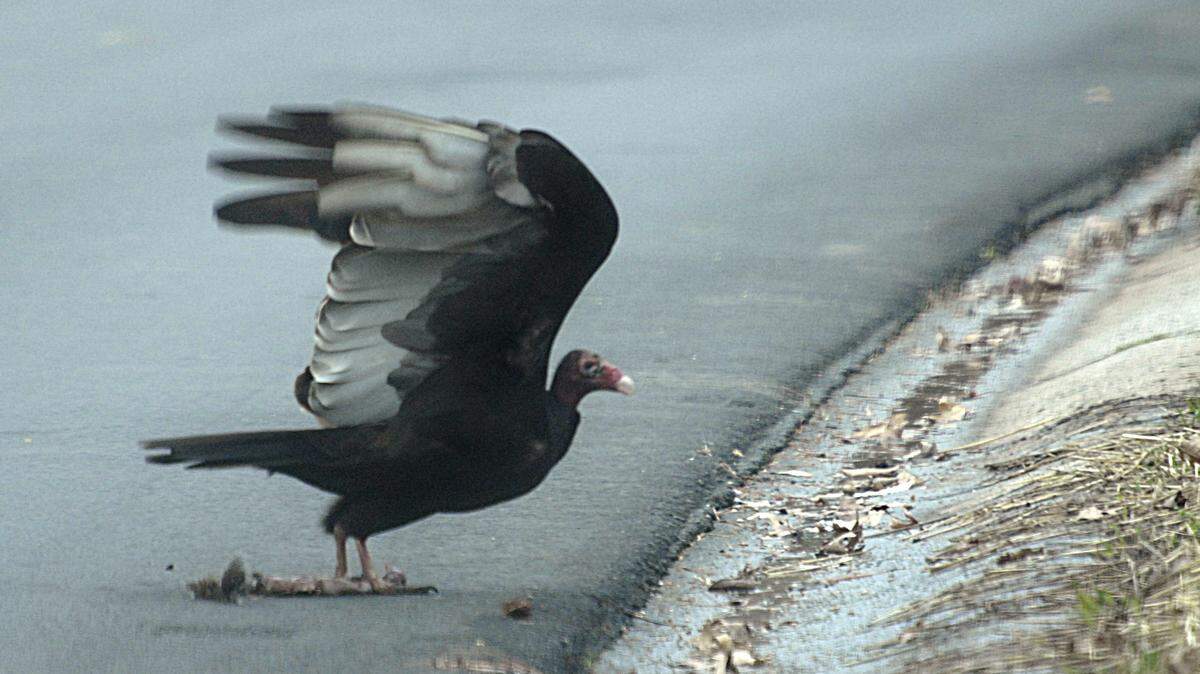
Frequent travelers at Charlotte Douglas International Airport know to give themselves extra time for occasional long lines and flight delays. Most, however, don’t think about the possibility of wildlife interfering with their travel plans.
But since 1990, planes in and around the airport have hit at least six deer, 17 coyotes and more than 2,600 birds, an analysis of federal data by The Charlotte Observer found.
And this year alone, Charlotte Douglas reported 52 incidents of planes hitting wildlife near or at the airport.
Wildlife strikes, or incidents involving possible collisions between aircrafts and animals, are tracked nationally through a Federal Aviation Administration database. Across the country, there have been more than 227,000 wildlife strikes between 1990 and 2019, according to the FAA.
Most incidents at the Charlotte airport have not caused serious damage to the plane or any injuries to passengers or crew. And it’s rare for a plane to be forced to land after a strike.
Since 1990 through May 2022, more than 2,880 incidents involving wildlife have been reported at Charlotte Douglas International Airport, the Observer analysis found.
And Charlotte ranked in the top 10 airports in the FAA database for number of wildlife strikes so far this year. That could be due to higher flight numbers or better reporting practices, experts told the Observer.
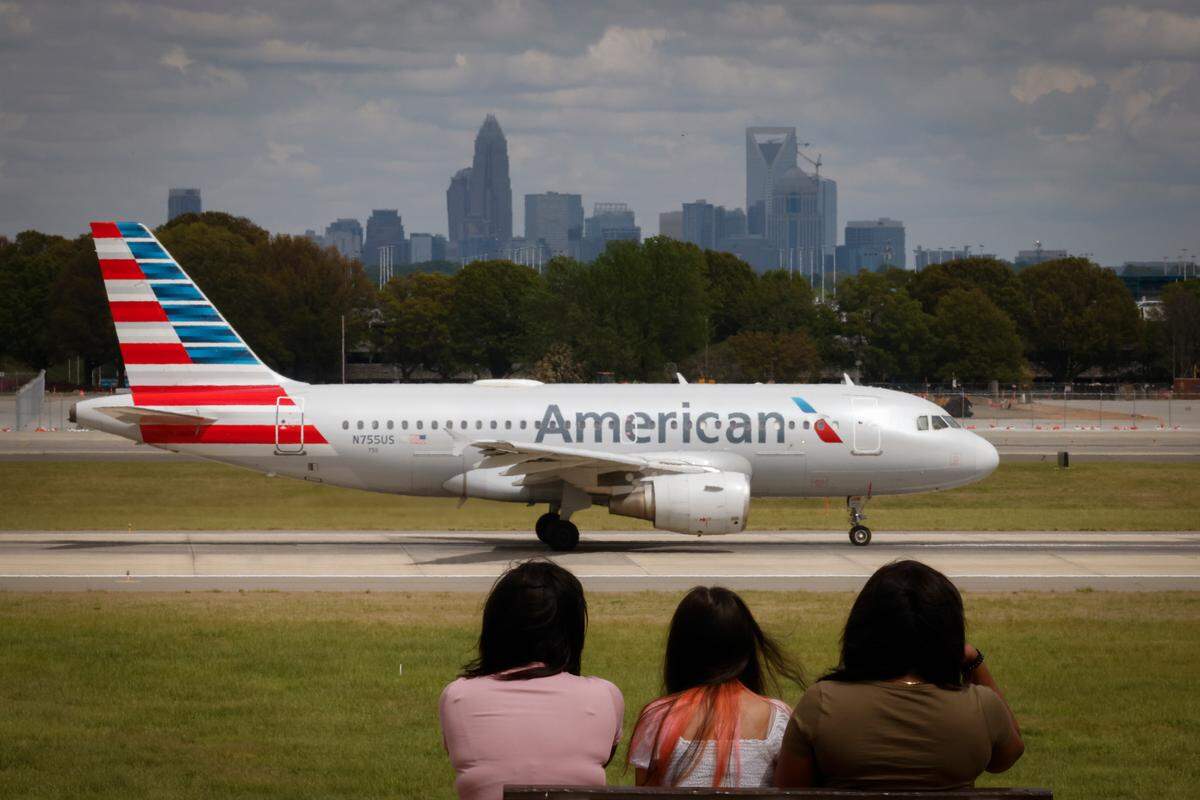
Charlotte ranked as the fifth busiest airport worldwide for arrivals and departures, according to Airports Council International 2021 preliminary rankings.
This year’s wildlife tally at the Charlotte airport includes robins, bats, ducks, swallows, hawks and kestrel falcons, according to the FAA database.
Nearby Concord-Padgett Regional Airport reported just two wildlife strikes this year, involving “unknown birds,” according to the database.
Birds, bats and the occasional coyote
Most of the animals involved in potential plane strikes at the Charlotte airport over the years are birds. But there also are reports involving coyotes, deer, opossum and turtles, the database indicated.
In the most recent incident involving a large mammal at the Charlotte airport, an American Airlines plane crew reported seeing an animal run across the runway in front of the plane as it was landing in February 2021.
A coyote carcass was found on the runway, but the aircraft was not damaged, according to the FAA database.
Expensive repairs due to wildlife strikes
Most of the 2,800 incidents caused no serious damage to the planes at Charlotte Douglas over the decades.
Possible damage was reported in just one incident this year. In February, an American Airlines plane hit four ducks in the air, causing dents to the fuselage.
The most expensive repairs caused by a wildlife strike at the Charlotte airport was reported in February 2017, when a PSA Airlines flight hit a deer during takeoff.
The flight crew reported hearing a “loud bang during takeoff” and returned to the airport for an emergency landing. Another plane’s flight crew reported seeing the flight, PSA 5320, hit a deer, and the damaged plane was seen leaking fuel from its right wing.
Repairs were estimated to cost $500,000, according to the database.
In the second most expensive repairs reported to the FAA at the Charlotte airport, a December 2002 strike between a Piedmont Airlines plane and a deer caused the plane’s nose gear to collapse.
Those repairs were estimated to cost close to $225,000.
‘Control the habitat’
Reporting to the federal database is voluntary in the U.S., said Archie Dickey, a retired wildlife and aviation expert for the Embry-Riddle Aeronautical University.
Wildlife strikes reported to the FAA have been trending up in recent years, with a slight dip in 2020 as the coronavirus pandemic hit the U.S.
The rising number over recent years may be caused by a few factors, Dickey said: increased number of airports and more flights, as well as more frequent reporting of incidents.
It’s important for airports to keep a tally on wildlife strikes in order to minimize those incidents, Dickey said.
For example, some airports that had a higher number of hawk strikes realized they were cutting their grass too short, Dickey said. The hawks could better see mice and were gathering to feed on mice.
“So you’re essentially trying to control the habitat,” he said.
Wildlife control at the Charlotte airport
Almost every airport has a wildlife team working to minimize wildlife strikes, Dickey said.
That includes Charlotte’s airport, where David Castaneda works as the wildlife supervisor. The Charlotte airport uses indirect and direct control methods to minimize wildlife strikes.
Indirect control methods include making the environment less attractive to wildlife, Castaneda said, especially big animals or flocking birds that could seriously damage planes.
“We want to make the airport as boring a place as possible to animals,” he said.
And direct control methods include strategies — like using pyrotechnics, noise or motor vehicles — to scare animals away once they’re at the airport. The airport also uses some trap and relocation services for some animals, like hawks, Castaneda said.
And Castaneda said his team encourages airlines, pilots and others to report all wildlife strikes to the FAA.
“It is still voluntary, so a lot of stuff does fall through the cracks,” he said. “So it’s unfortunate on our end because if we don’t know about it, we can’t do anything about it.”
No injuries to people
No human injuries or fatalities have been reported to the FAA due to wildlife strikes at the Charlotte airport since at least 1990, the first year the FAA database covered.
That makes sense, Dickey said.
“It’s extremely rare anymore for a plane to be even injured, for the plane itself to be injured enough that it has to turn around and come back and land,” he said.
But globally, 292 people have died due to plane wildlife strikes from 1988 to 2019, according to the FAA.
And in 1960, before the creation of the FAA Wildlife Strike Database, Eastern Air Lines Flight 375 struck a flock of European starlings during take-off, resulting in the highest death tally due to a wildlife strike, according to the FAA.
All four engines of that plane were damaged and the plane crashed in the Boston harbor. There were 62 deaths, according to the FAA.
And a wildlife strike was famously involved in one flight with ties to Charlotte. In 2009, Flight 1549 bound for Charlotte hit a flock of Canada Geese after take off from New York City.
Both engines shut down, but Captain Chesley “Sully” Sullenberger and First Officer Jeff Skiles were able to land the aircraft in the Hudson River, with no serious injuries.
The plane is housed in Charlotte’s Carolinas Aviation Museum, which plans to reopen next year.
This story was originally published June 1, 2022 at 1:52 PM.
.jpg)