
‘A game of chicken.’ Why gas prices around the Charlotte region vary so much
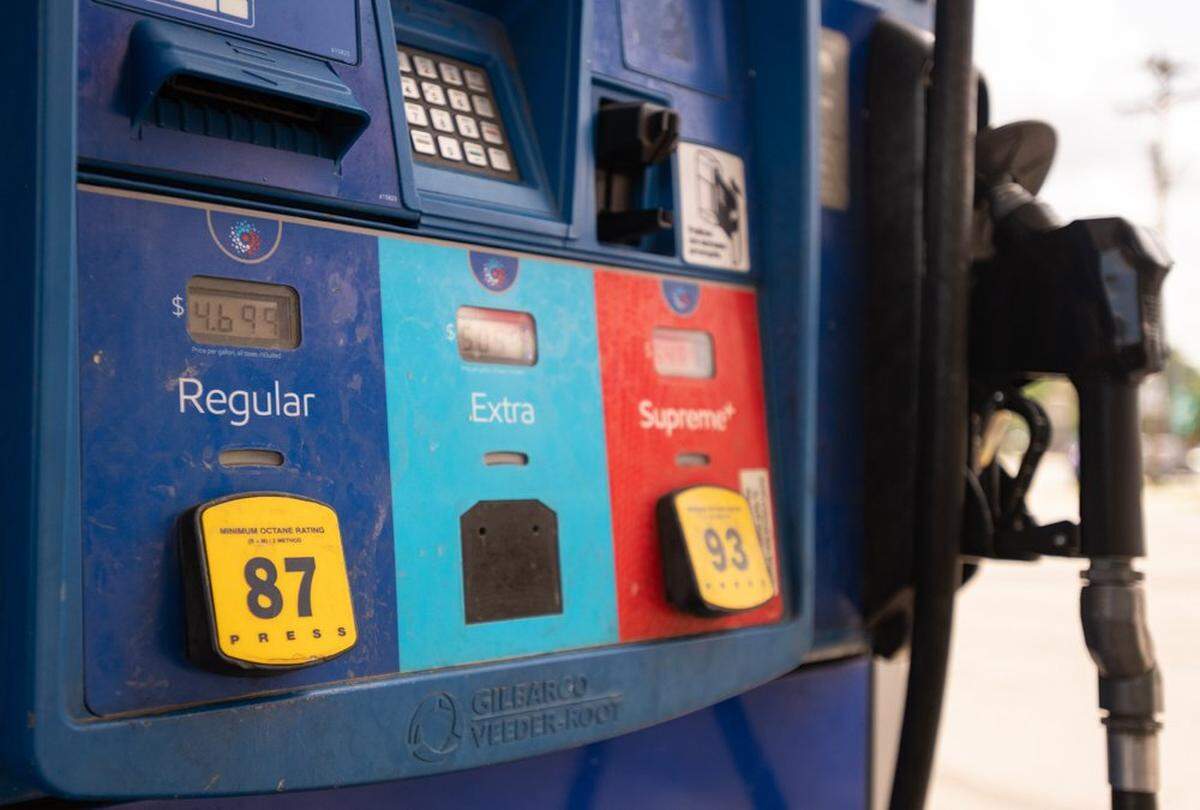
As Charlotte-area drivers scout for gas stations with the lowest prices amid record-high rates, prices at the pump may vary throughout the region and even from stations across the street from each other.
The average gas price in North Carolina on Tuesday was $4.67 for regular and $5.76 for diesel, according to AAA.
In the Charlotte region, the average price difference at fuel stations in different ZIP codes varied as much as 34 cents, according to a four-day price analysis by The Charlotte Observer that ended Tuesday.
On Tuesday, regular unleaded prices varied from $4.55 to $4.80 throughout Charlotte, according to a Google search. That included $4.55 for a 7-Eleven Exxon gas station at 9025 Mallard Creek Road compared to $4.80 at a 7-Eleven Exxon gas station 4 miles away at 8325 Old Statesville Road.
At wholesale clubs, where only members can buy gas, the price was even lower: $4.37. When accounting for high and low outliers, though, the Observer analysis found most neighborhoods were within 10 cent or less difference in average per gallon costs.
(One tip to see the different gas prices where you are: Search Google maps and click on “gas.”)
So what accounts for the difference in prices? Capitalism, for one thing.
“Gas and diesel are not regulated entities like electricity or natural gas. It’s a free market,” said Gary Harris, executive director of the NC Petroleum & Convenience Marketers Association. “In general, the free-market system drives fuel prices in favor of the consumer.”
Harris said neighboring gas stations, including those under the same brand such as Exxon, have different contracts and overhead costs.
And stores, even ones near each other, have different traffic patterns, rent and suppliers that affect gas prices, according to the U.S. Energy Information Administration.
Retailers decide to raise or lower prices based on shipment cost, often absorbing some of the profit margins to stay competitive, said Jeff Lenard. He’s vice president of strategic industry initiatives for industry organization National Association of Convenience Stores.
“Most retailers adjust their prices when they are notified of what their next shipment will cost,” Lenard said.
Pricing petro
An average gas station goes through about 4,000 gallons a day and fills up every two days, Lenard said.
Prices may vary from place to place because of wholesale price increases and brands.
“One store may have passed on a price increase and another store hasn’t,” Lenard said. “It’s a game of chicken on the way up.”
Think of fueling like taking a flight, Lenard said.
“Everyone is on the same airplane and going to the same place, but it’s likely everyone paid a different fare to get there,” Lenard said. “Everyone is selling the same fuel but everybody’s getting it a different way. Everybody has a different contract, and because of that there can be disparities in a market.”
Behind gas prices
The cost of crude oil, which changes with supply and demand, is the primary influence but not the only one for what you pay at the pump.
“There are many industry factors that influence fuel prices,” said Danna Robinson, spokeswoman for Harris Teeter. The Matthews-based grocery chain has over 60 fuel stations at stores throughout the Southeast.
Other factors includes taxes, freight, special fees like air quality, transportation costs that vary depending on distance traveled, plus supply issues, Robinson said.
And of course, there’s competition. Harris Teeter constantly watches the market locally and globally, Robinson said, to remain competitive.
Taxes at the pump in NC
Taxes are one of four main factors that affect retail gasoline prices, according to the U.S. Energy Information Administration. The other factors are price of crude oil, which makes up more than half of the fuel price, refining costs, and distribution and marketing costs.
That includes In North Carolina, drivers pay state gas tax of 38.5 cents per gallon, according to N.C. Department of Revenue, and an inspection tax of .0025 cents per gallon. On top of that, there’s the federal gas tax of 18.4 cents per gallon.
“Sales taxes along with taxes applied by local and municipal governments can have a significant impact on the price of gasoline in some locations,” the U.S. Energy Information Administration website states. “The price at the pump also reflects local market conditions and factors, such as the fueling location and the marketing strategy of the owner.”
Other gas price influences
Fuel station costs also include wages and salaries, benefits, equipment, lease or rent payments, insurance, overhead, and state and local fees.
In general, the average profit margin on a gallon of gas is about 10 cents, according to an industry trade group, the National Association of Convenience Stores. Lenard said on average now, retailers are breaking even or even losing because of wholesale prices.
Retailer profits depend on where the store is located, nearby competition and fuel brand.
Wholesale club deals and stations near South Carolina, for example, where gas taxes are lower tended to have the lowest prices, according to the Observer’s analysis.
The fuel brand contracted with a station also can make a difference. “The one that doesn’t have the name-brand gas can be cheaper,” Lenard said. “However, if there’s a shortage, unbranded doesn’t have access to fuel.’
After 35 years in the industry, Harris said there’s no secret formula to finding the best gas price in town. Prices may change twice a day.
“So it’s difficult to drive around and shop,” he said, “and you don’t want to burn up more gas to go buy it.”
This story was originally published June 15, 2022 at 6:00 AM.