They scammed millions from the feds in COVID loans around Charlotte. It was easy at first.
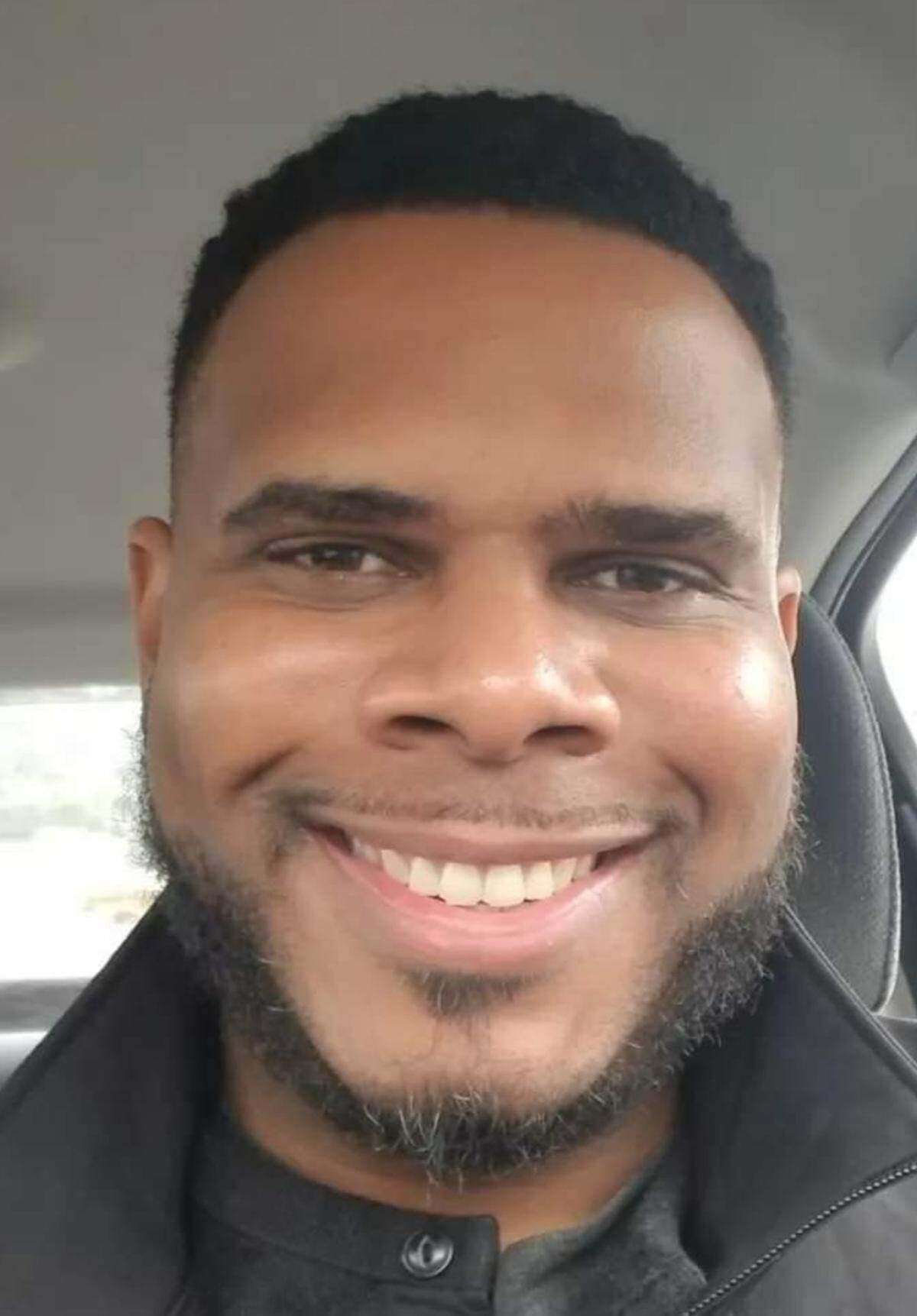
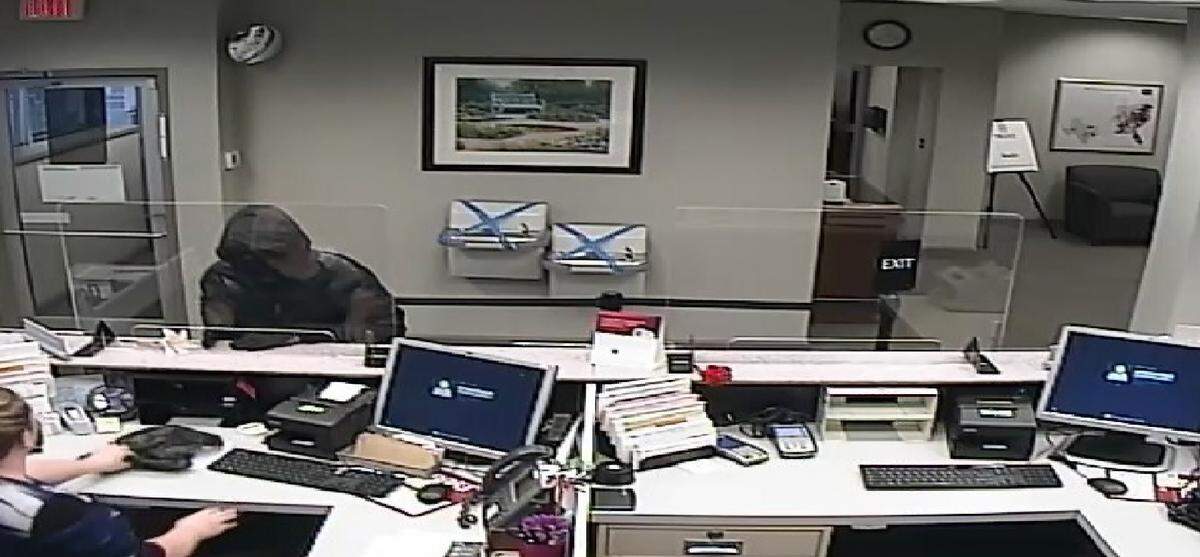
During the height of COVID in March 2021, Spenc’r Rickerson wore a mask just like all the people did in a Newton BB&T bank branch. Then he walked up to the teller, pulled out a handgun and demanded money before fleeing with $3,350, court records show.
His other pandemic-related crime involved paperwork. He filled out fraudulent COVID loan applications and in return, the government sent him more than $84,000.
Apparently, that was easier than robbing a bank.
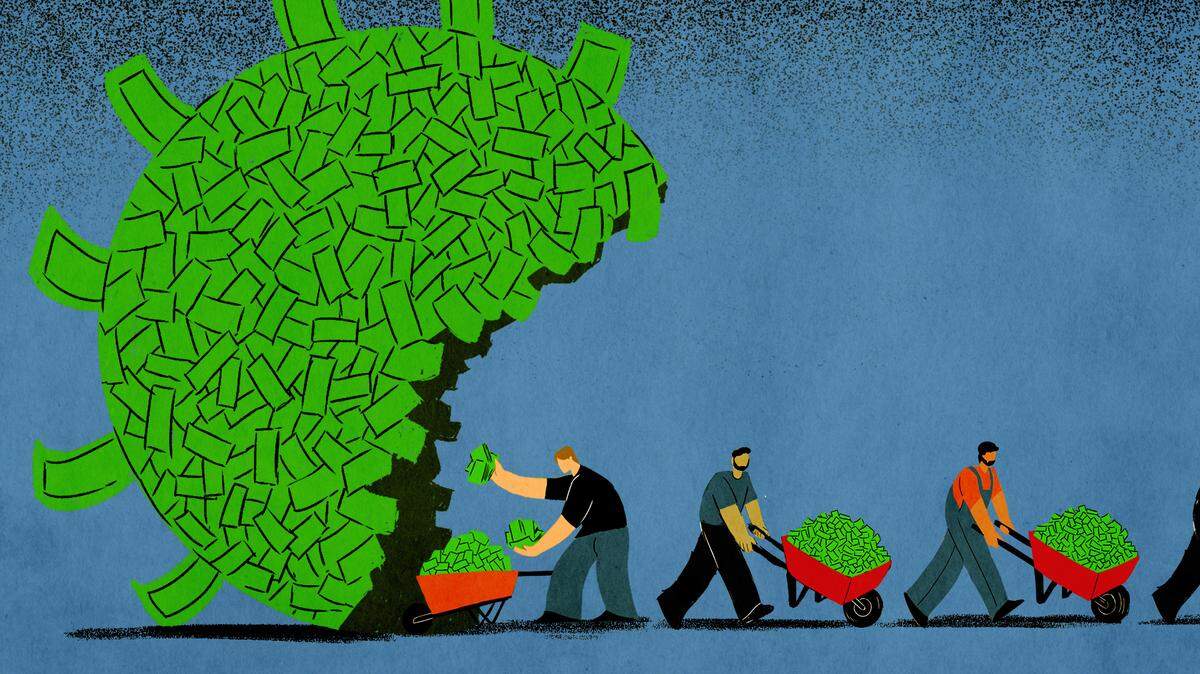
In fact, COVID relief fraud has proven to be a multibillion-dollar industry nationwide, according to the feds, and crooks in the Carolinas wanted to get their share.
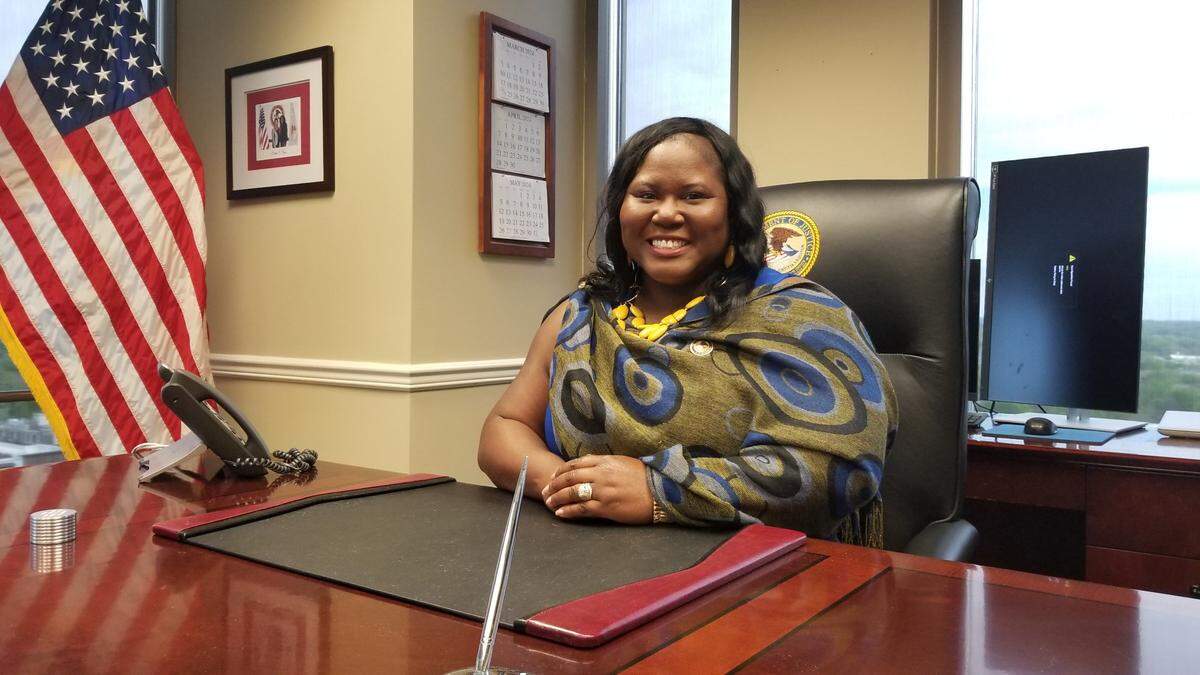
In the Western District of North Carolina, U.S. Attorney Dena J. King’s office in Charlotte has so far charged over 30 people in COVID fraud cases, with more than 20 sentenced to prison for as long as a decade. As of December, there were about 10 cases still pending trial.
The total amount alleged to have been stolen by people charged in the Western District is more than $15 million, according to King’s office.
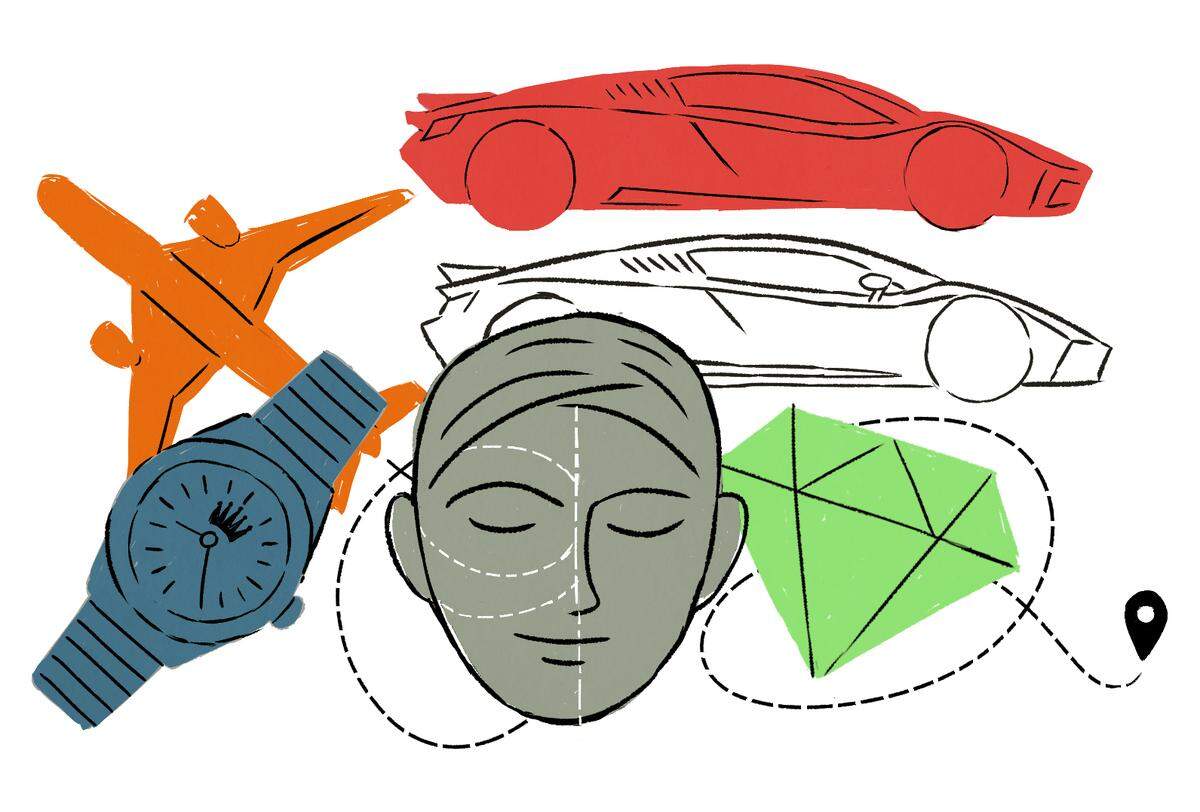
Some defendants spent money on plastic surgery or liposuction. Others lavished funds on their family, splurged on trips or bought cars, jewelry and cryptocurrency, The Charlotte Observer found in a review of court documents and in interviews with King and other federal officials.
In one case, COVID funds were even used to prop up a Ponzi scheme.
About the COVID loans
And what was the source of all that money? Congress. After the pandemic hit, lawmakers authorized the Coronavirus Aid, Relief, and Economic Security Act to help financially struggling Americans.
More than $4.6 trillion was distributed through the CARES Act and other legislation, including Economic Injury Disaster Loans (EIDL) and the Paycheck Protection Program (PPP) from the U.S. Small Business Administration.
”Today, (the pandemic) is still the worst kind of natural disaster most of us that are alive have ever experienced,” King told the Observer. “There was no time to come up with safeguards (for government aid), especially when you don’t know how long this is going to be around.”
There also was no shortage of people trying to take advantage of those plans. Some had prior arrests for everything from Medicaid fraud to accepting kickbacks in a notorious Charlotte-area mortgage fraud scheme.
After the money started flowing, the U.S. Department of Justice began a nationwide COVID-19 Fraud Enforcement Task Force in May 2021.
“When we talk about the amount of cases that are still pending, it’s because these aren’t just simple ‘John Doe got money. Let’s prosecute him,’ “ King said. “There are so many layers involved that we have to dissect.”
Lots of ways to defraud the feds
In June 2023, the SBA’s Office of Inspector General issued a report stating that the SBA disbursed over $200 billion in “potentially fraudulent” PPP, EIDL and related loans. “This means at least 17 percent of all COVID-19 EIDL and PPP funds were disbursed to potentially fraudulent actors,” the report stated.
Nationwide, more than 3,500 people have been charged in COVID fraud cases, with about 2,000 convictions so far, according to an April 2024 Department of Justice report and a government watchdog official. The DOJ report stated that the suspects had siphoned off $2 billion.
So how’d they do it?
During the pandemic, COVID loan seekers submitted personal and business information covering such details as revenue, employee totals and company history.
The government relied on applicants affirming that the information was correct under penalty of perjury and other criminal statutes; documents supporting the loans were not required. Another key feature attractive to criminals — the loans were not expected to be paid back.
Criminals exploited good-faith efforts to get funds out quickly at the height of the pandemic by lying on their applications, King said.
What’s more, they teamed up with so-called “consultants” who advertised their services on social media for a cut of the money. They helped with paperwork, and would get about $30,000 for a loan application worth $300,000, King said, as an example.
While most of the COVID fraud cases her office handled had involved loans, a few centered on unemployment insurance. Criminals would claim to be eligible for COVID-related benefits, while getting the funds deposited into different accounts than the name they applied under.
That’s where phony romances could enter the picture, King said. Crooks went online and pretended to fall in love, then used their victims’ bank accounts and other personal information to apply for unemployment benefits for themselves.
Or they teamed up with “money mules” — people who knew their bank accounts were being used to help hide or launder money.
In fact, King said investigators found some bad guys simply stopped doing more dangerous crimes, like selling drugs, to focus on COVID scams.
“You sit at home on the computer,” she said. “It’s a whole lot easier to do that than on a street corner doing a (drug deal). And once a couple of people started getting it, they quickly spread the word. ‘Oh, it was easy. I put my application in last week. I just got a $300,000 deposit in my bank account. I’m gonna do it again.
“ ‘But this time I’m going to ask for $900,000.’ ”
‘I made poor decisions’
The cases King’s office prosecuted involved people from all walks of life.
Rickerson, the 37-year-old bank robber, made up information for a non-existent construction company to apply for loans between June 2020 and March 2021, according to court records.
Money from those $84,000 in loans — and the bank job — were used to buy cryptocurrency, pay his car loan and for cash withdrawals, court records show.
During closing arguments, prosecutor Jenny Sugar noted that Rickerson had been unemployed for nearly a year due to the pandemic. “It was hard times for a lot of people,” Sugar said. “ But what is wrong is robbing a bank. And what is wrong is lying to get money.”
At sentencing in August 2023, defense attorney David Burgess talked about how Rickerson took care of his siblings growing up. Rickerson’s father was not around during his younger years, but he later cared for his father for 14 years after he had a stroke.
Rickerson addressed the judge too.
“I would say I was drowning, in a sense, because I’ve always had a strong mask up, you know,” Rickerson said. “I was always the one to come through for everybody. And at that point in time, I needed help and I didn’t know how to ask for it, so I made poor decisions...
“I promise you I’m never going to be back in this position again.”
Rickerson was sentenced to six years in prison for bank robbery, wire fraud and aggravated identity theft.
Other COVID fraud cases around Charlotte
A look at a few other cases King’s office handled provides an additional window into how these criminals operated:
▪ Steven Andiloro defrauded the government out of more than $2.6 million in COVID funds. The case was tied to the Mooresville man’s limousine service and a security business.
The 53-year-old claimed to have provided security for several days in June 2019 on a movie set, according to court documents. But the film was actually shot in 2017. The U.S. Attorney’s Office declined to name the movie or where it was shot.
Andiloro obtained PPP funds after submitting fake employment data, inflating revenues and exaggerating payroll expenses on loan applications from April 2020 to March 2021, according to an indictment.
From 2018 to 2021, Andiloro also ran an investment scheme convincing people to put millions of dollars into his businesses, some of which were real and others that were fake, investigators said.
He promised their money would be invested in an ownership stake of non-existent marijuana dispensaries called Rock Skull and Broken Skull. Instead, the funds were used to support his lifestyle, including trips to Mexico and to make Ponzi-style payments to other investors, according to prosecutors and the indictment.
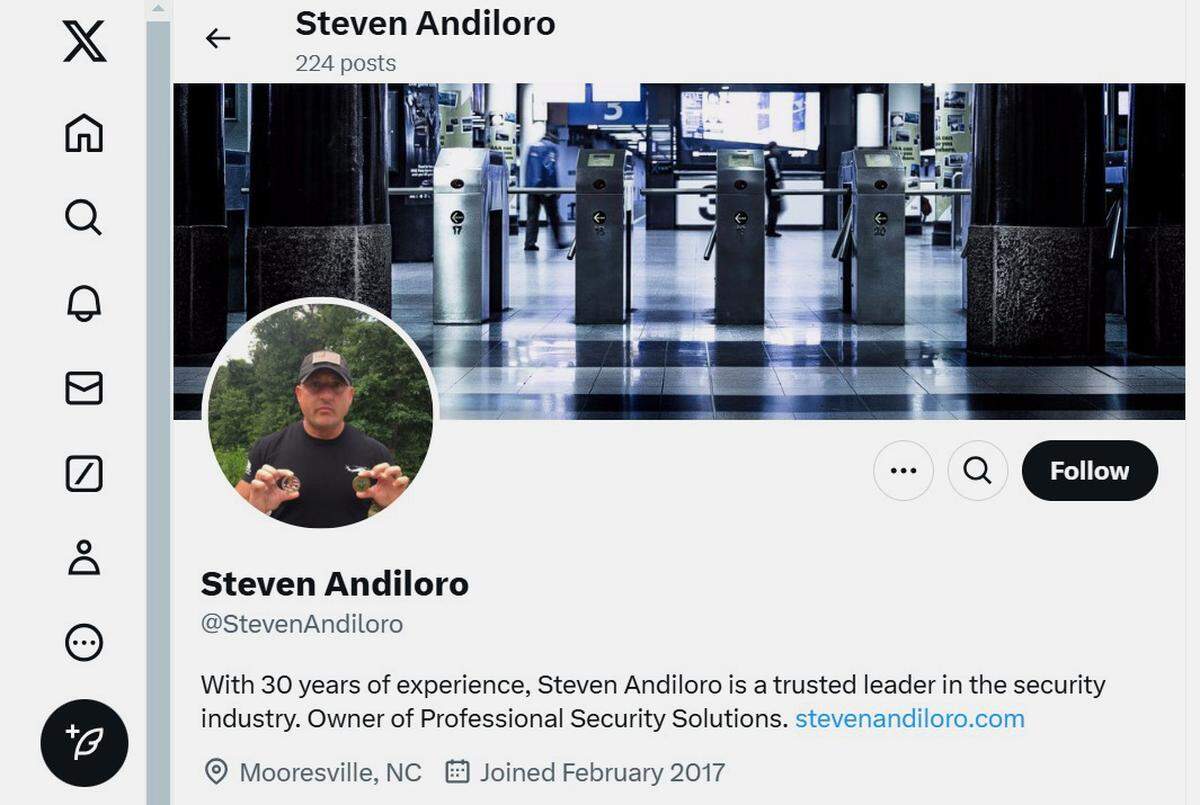
In November, Andiloro pleaded guilty in federal court in Charlotte to the investment scheme and scamming the government during COVID. He said little else before being released on bond.
A sentencing date has not been set.
▪ In January, Charlotte businessman Glynn Hubbard Jr. pleaded guilty to wire fraud and money laundering after obtaining more than $1.2 million from COVID relief funds for himself and for other businesses that he referred to as his “customers” in Louisiana.
Hubbard, 46, was released on bond, according to the U.S. Attorney’s Office. A sentencing date has not been set.
The fraud occurred between March 31 and Aug. 1, 2020, plea documents show. The case involved Hubbard’s car rental businesses, Borrow My Ride; Balanced Society Corp., a nonprofit; GGGAB Inc., consulting and marketing; and The Regins Corp., which dealt with real estate project management, records showed.
Hubbard provided phony financial and employment data, and fraudulent tax returns, on COVID loan applications, according to the indictment. He kept over $570,000 of the loans for himself and sent more than $660,000 to his customers, according to the Justice Department.
Hubbard had fashioned himself as a COVID relief consultant, using social media and personal referrals to solicit business, court records show. He told clients to pay him in cash via cashier’s checks or wire transfers to avoid fraud detection, according to federal officials.
Hubbard wound up with over $150,000 from his clients for filing “materially false statements and misrepresentations” related to customers’ PPP loans and EIDL applications, the indictment stated.
This was not Hubbard’s first run-in with the law.
In 2015, he was sentenced to three years in prison for accepting about $250,000 in kickbacks in the sprawling “Operation Wax House” mortgage and investment fraud scheme that targeted Mecklenburg and Union counties. Around 90 people were convicted or pleaded guilty in the case.
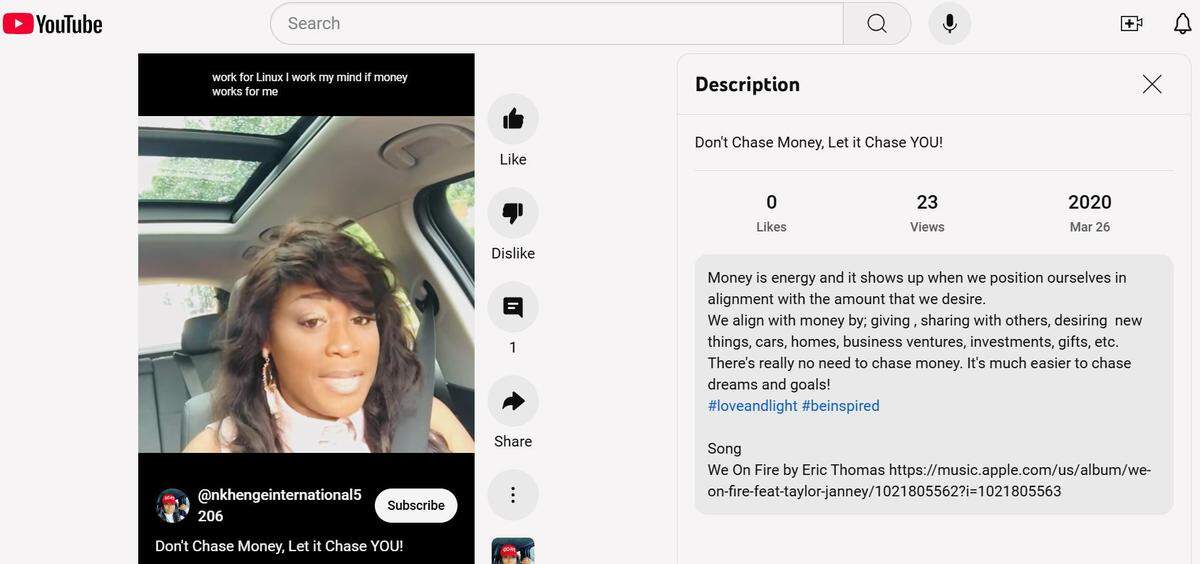
▪ Just as COVID lockdowns were unfolding in March 2020, a Charlotte woman named Nkhenge Shropshire took to YouTube and posted a short video called “Don’t Chase Money. Let it Chase YOU!”
In it, she said, “I’m motivated by my dreams and my goals. Money don’t make me... I create money by the way that I think. I create money by the way that I live.”
Two years later, she would be in federal court pleading guilty in a COVID fraud case.
Shropshire worked with co-conspirators to submit 10 COVID loan applications for fake businesses attempting to get more than $331,000 in relief funds, and wound up receiving $45,000, the U.S. Attorney’s office said.
At the time, from early July to early September 2020, Shropshire was on federal supervised release. She had been convicted in 2014 of filing false tax returns and lying on a loan application, then sentenced to more than two years in prison and five years of supervised release.
Shropshire spent money from the COVID loans on hotels, shopping sprees and cars, according to prosecutors, who declined to detail what she splurged on.
In May 2022, she pleaded guilty to wire fraud conspiracy and was sentenced to 3 1/2 years in prison then three years of supervised release.
At a December 2022 hearing regarding whether to revoke supervised release for her tax-related crimes, Shropshire spoke about the COVID case too. She apologized to the court and said it caused a lot of confusion and controversy for her family.
“I’m very ashamed of myself for this,” Shropshire told the judge, records show. “I can’t stand before you and say, ‘Hey, I’m not going to do it again.’ I told you that before.
“I definitely learned a whole lot in terms of integrity, and I’m going to stick with that and make sure that I, you know, make you proud at some point in time you can read about me in a good light. I promise you that.”
Federal District Court Judge Frank Whitney was not having it. “You’ve been in this courtroom before for fraud. That’s troubling to this court.
“The court’s also concerned about general deterrence. That’s deterring others from committing fraud.... on a government agency and even more fraud on an agency during a pandemic.”
He revoked the terms of Shropshire’s supervised release.
In December 2023, the Bureau of Prisons released Shropshire, 51, from custody in West Virginia, according to a brief February 2024 court order reducing her sentence.
Could the feds have done more?
COVID money was easy pickings for criminals around the Charlotte region. Perhaps too easy.
The government should have done more to prepare for fraud risks, Rebecca Shea, director of forensic audits and investigative service for the federal Government Accountability Office, told the Observer. The independent agency reviewed how taxpayer money was spent during the pandemic.

“It’s one thing for a career criminal to have fabricated documents (and steal identities),” Shea said. “And it’s another thing for business owners, the average Joe, to have done this.”
Just last Friday, Dec. 13, a former Harlem Globetrotter from Cary named Quentin Jackson was sentenced to seven years in prison and ordered to pay $3 million in restitution after pleading guilty to his role in a multimillion-dollar PPP fraud scheme.
Criminals also were lawyers, tax preparers, business owners and others who thought it’d be OK to steal from the federal government. “It’s not OK and it’s not free money,” Shea said.
Yet people used social media platforms and chat rooms to share “how-to” schemes and for recruiting other scammers, she said. Criminals across the country bragged about the funds they received or showed off luxury purchases like private jets, Teslas and fancy apartments.
Shea cited the case of a South Florida man who bought a Lamborghini, Rolexes and designers clothes from Louis Vuitton, Gucci and Chanel with his COVID relief money, then posted pics of the car and watches on social media.
As an example of government agencies being unprepared, Shea pointed to how the SBA relied heavily on self-certification where applicants could simply check boxes for employee and salary totals.
With a need to distribute money quickly during the pandemic, Congress allowed self-certification for eligibility and eliminated certain verification requirements. Shea’s office sent recommendations to federal agencies and Congress to prepare for future disasters, including not relying on self-certification.
“People are going to lie,” Shea said, “especially if you’re (a career criminal).”
Better prepared for what comes next
Some people, King acknowledged, took advantage of how simple it was to get a loan.
And she agreed that there could’ve been additional mechanisms in place to make it harder to commit COVID fraud. But King believes criminals still would have found ways around it.
“We’re asking people to create safeguards for something that never existed,” she said. “It’s kind of hard to look in the future and figure out ways for people to not commit fraud that had never been committed before.”
But now, King said her office is better prepared to handle such schemes. Her office began with one person on COVID fraud, and those duties are now being shared among several Assistant U.S. Attorneys.
Criminals working as online consultants was something new for her office. They know to look out for that now, King said. And banks participated in training by her team so they’ll be better equipped to flag suspicious activity too.
Their work is far from over, especially with the the statute of limitations for PPP and EIDL fraud being extended from five to 10 years.
“COVID is in our rear-view mirror,” King said. ”Our level of interest in prosecuting these cases is not.”
NC Reality Check reflects the Charlotte Observer’s commitment to holding those in power to account, shining a light on public issues that affect our local readers and illuminating the stories that set the Charlotte area and North Carolina apart. Have a suggestion for a future story? Email realitycheck@charlotteobserver.com
This story was originally published December 18, 2024 at 5:45 AM.