
Forging Fortnite: How a North Carolina studio made the world’s biggest game

Thank the bus driver
A salvaged blue school bus glides through the sky, held aloft by one large hot-air balloon. Animated, familiar and otherworldly, the visual echoes the old man’s house in the Pixar movie “Up.”
Some players thank the unseen bus driver for the ride before all 100 contestants leap from the floating vehicle. As wind whips past their game avatars, they descend into an eclectic physical world. There are snow-capped mountains, resort beaches, abandoned ruins, gas stations, a fortified compound, farms, ravines, rolling hills, several quaint towns, country homes, bridges, rivers, lakes and (on some maps) a toilet factory.
Then the real action begins. Players race to collect weapons and resources. Every wall, ceiling and floor can be chopped down and rebuilt. The objective is to be the last one standing. The objective is also to own a cool outfit, bust out neat dance moves, and have a catchy song play each time you eliminate an opponent.
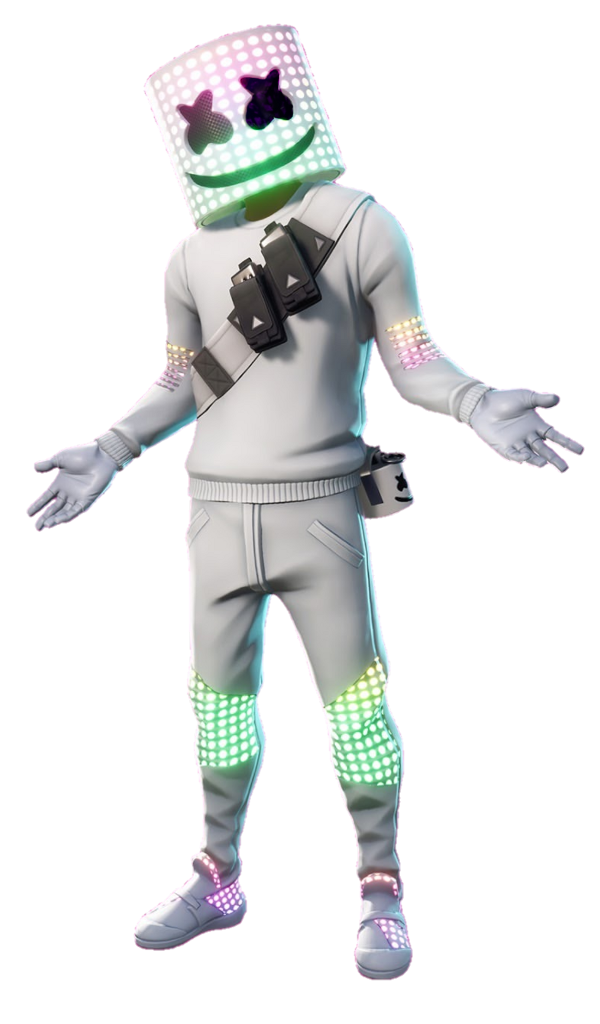
This is the world of Fortnite, a game of violence and intricate strategy, yes, but also cultural signifiers and silliness. A milieu where players find value in a machine gun and a mushroom. The avatar that just killed you may look like an anonymous action hero or the music star Billie Eilish. Or a pink teddy bear. Or someone wearing a Santa Claus hat.
For a time, it was the highest-grossing game in the world, generating more than $5 billion during its first full year — all while being free to play. On certain days, it brought in $100 million. Beyond financials was Fortnite’s cultural imprint. The game reached millionaires and middle school students, pioneered intellectual property collaborations and sparked thorny legal fights.
Hundreds of thousands of concurrent players was just the start. Even today, well over a million at any given minute play its various modes on laptops, desktops, tablets, phones and consoles worldwide.
And it started in the North Carolina Triangle.
Released seven years ago this fall, Fortnite Battle Royale grew Cary’s Epic Games from a hip mid-sized studio into one of the most valuable private companies in the world. It also afforded Epic the resources to act on a more ambitious scale at the direction of its founder and CEO, Tim Sweeney.
For Fortnite, the path from ideation to world domination was neither straight nor short.
How did the game with 800 million current accounts get made in North Carolina? And how did it change Epic, the state’s biggest video game developer? To find out, The News & Observer spoke to more than a dozen former Epic employees — from top executives to entry-level programmers — who worked on the Fortnite project at various stages since it first took shape in 2011.

They described near cancellations, faithful pivots and jaw-dropping quarterly bonuses. Many spoke on the record while others requested anonymity when discussing internal company manners.
Since Fortnite’s ultimate breakthrough, employees say Epic still searches for what will come next. Not necessarily what will come after Fortnite; the game has become too big to put in the rearview mirror. Instead, the North Carolina company seeks, and at times struggles, to clarify what will come next with Fortnite.
Where the game will take Epic remains open-ended. But where Fortnite started is clear. Thirteen years ago, there was a game jam in Cary.
This story was originally published October 16, 2024 at 5:00 AM with the headline "Forging Fortnite: How a North Carolina studio made the world’s biggest game."
