Landlord with thousands of NC homes sued by feds. Here’s how much renters could get back
Invitation Homes, a national landlord with thousands of homes in the Charlotte area, faces a federal lawsuit alleging it swindled renters with undisclosed fees, withheld security deposits and practiced unfair eviction proceedings, even during the height of the COVID pandemic.
The Federal Trade Commission announced Tuesday it’s suing the Dallas-based landlord that owns, leases or manages about 80,000 homes in a dozen states and specifically 5,550 homes in the Carolinas. In 2023, Invitation Homes owned about 1,900 properties in Charlotte alone.
The Charlotte Observer and News & Observer 2022 investigation Security for Sale revealed that corporate landlords owned about one-quarter of all rental homes in Mecklenburg County and tens of thousands of single-family houses across the North Carolina.
The reporting showed that the companies’ business models were designed to squeeze profit from their homes, often to the detriment of renters, neighbors or other would-be home buyers.
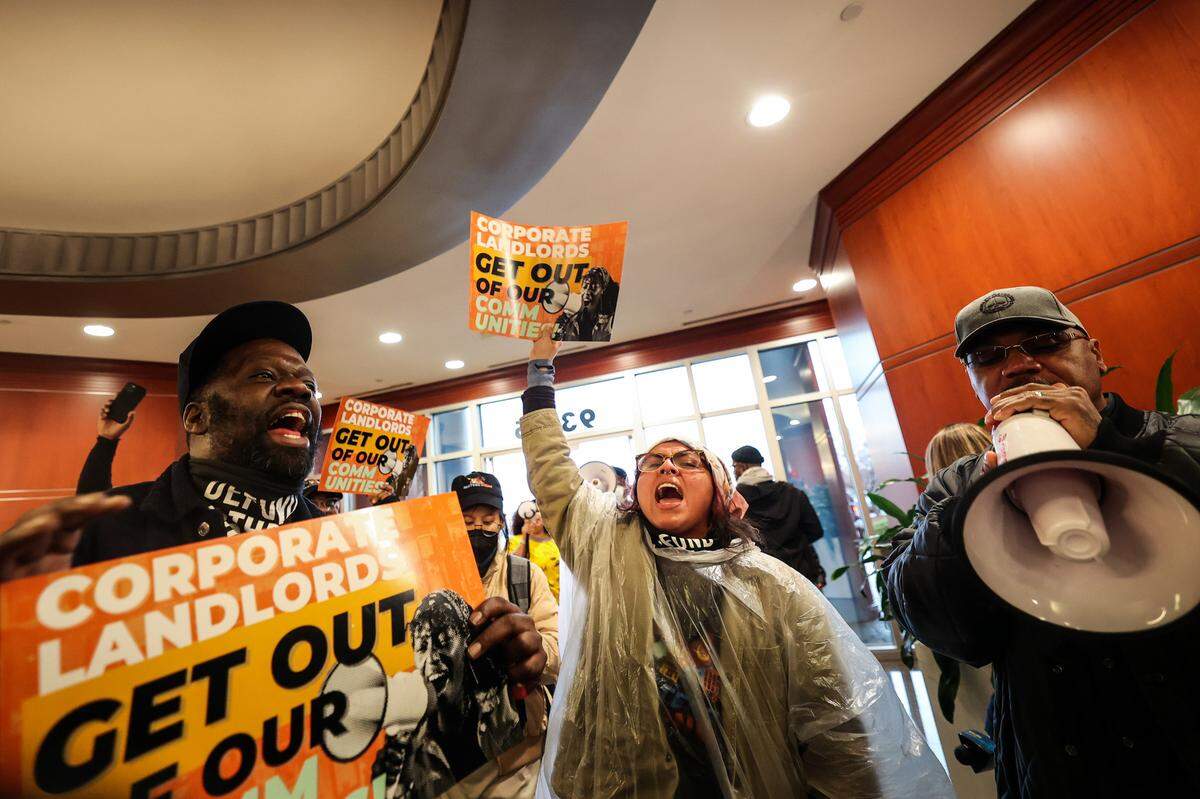
FTC officials said investigating corporate landlords and holding them accountable for unfair practices is high on their priority list.
“This lawsuit and settlement should send a signal to the market that the FTC is focused on corporate landlords and focused on ensuring that they do not use illegal business tactics like junk fees or try to evict their tenants when they’re supposed to be protected from evictions,” an FTC official said.
The announced lawsuit was filed in federal court in Georgia. In a proposed settlement with Invitation Homes, the FTC wants $48 million to be refunded to renters across the country. The landlord would also be required to provide transparent lease pricing, create clear policies regarding security deposit refunds and stop other behavior.
An Invitation Homes news release said it has agreed to the proposal, which would go into effect once approved by a federal judge.
Invitation added that “the agreement contains no admission of wrongdoing by Invitation Homes.”
“Invitation Homes believes that its disclosures and practices are industry leading,” the release said. “Today’s agreement brings the FTC’s three-year investigation to a close and puts this matter behind (Invitation), which will, as always, move forward with its continuous efforts to better serve its customers and enhance its practices.”
Undisclosed fees and unrefunded security deposits
Going back to 2019, the suit claims Invitation Homes charged renters millions of dollars through fees that weren’t included in the advertised monthly rent. Some of those “mandatory junk fees” were for “smart home” technology, utility management, air filter delivery and internet packages.
Renters weren’t able to opt out of the fees, the suit claims, and they were ultimately charged “tens of millions of dollars” between 2021 and June 2023.
The landlord also collected more than $18 million in non-refundable application fees, according to the suit. Renters paid the application or reservation fees and later learned about additional charges that would increase their rent, the suit claims.
Invitation also rarely gave renters back their security deposits, the suit says. Between 2020 and 2022, the landlord refunded about 39% of renters total security deposits. The national average, according to the suit, is about 64%.
Other unfair practices
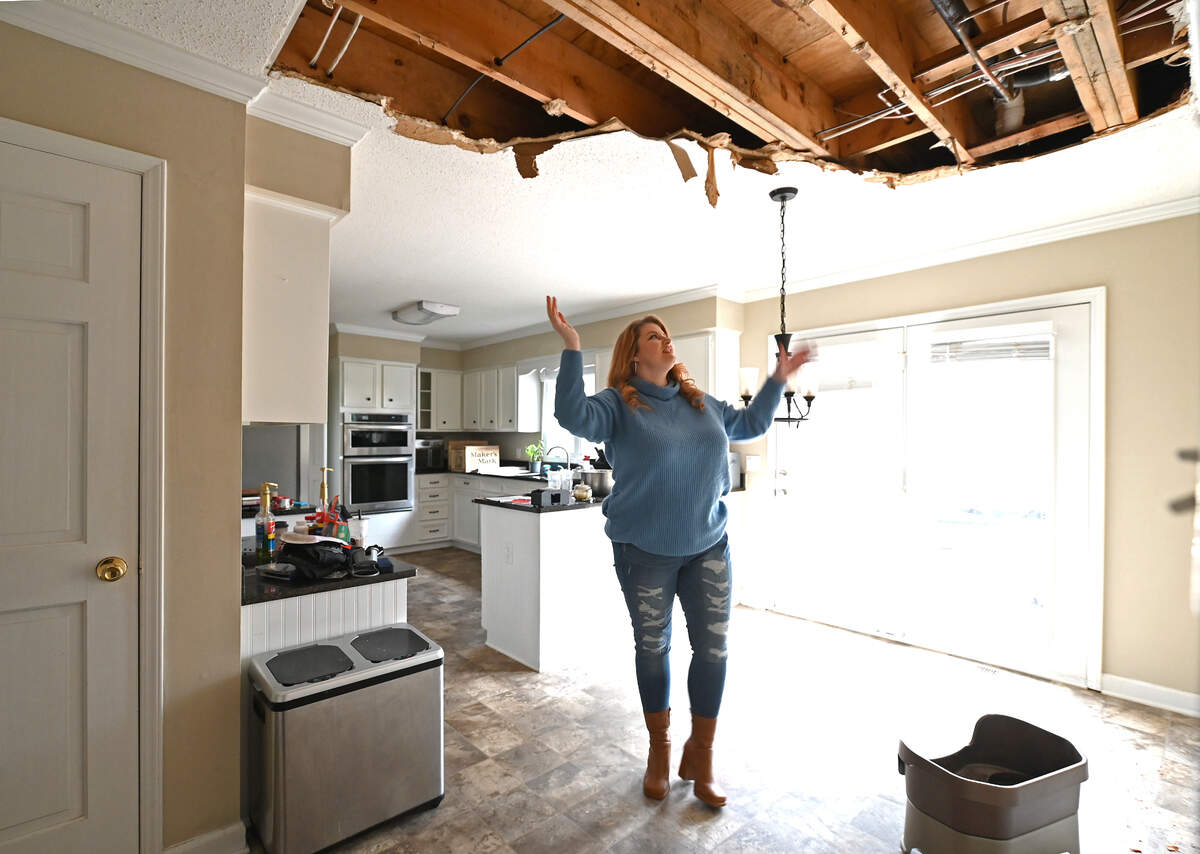
Besides the fees, the suit alleges homes were not inspected prior to move-ins, although the landlord claimed every home passed a “quality assurance inspection.”
Between 2018 and 2023, renters filed over 33,300 work order requests within the first week after their move-in date, the suit says. Some issues included mold, broken appliances and exposed wiring.
The suit also says Invitation Homes engaged in unfair eviction practices even during pandemic moratoriums. Those practices included “steering” renters away from filing declarations with the Centers for Disease Control and Prevention to “falsely” telling renters their “only options were to pay rent, accept a balance forgiveness and move out, or undergo the eviction process,” the suit says.
How would renters get money?
If a judge approves the settlement, Invitation Homes would pay over $48 million to the FTC, which would be given to renters “harmed” by the landlord.
FTC officials said the refund process would take several months, once approved by a judge, and it would directly contact renters who are eligible. It’s unclear how much, if any, Carolina renters would receive.
FTC officials added that people who feel they’ve experienced fraudulent behavior, either from a landlord or a business, can report it to the FTC online.
Other requirements of the settlement include not withholding deposits for regular wear and tear, being transparent in regards to real rental prices and mandatory fees and notifying tenants of their options if they are facing evictions.
Renters sued Invitation Homes before
Brian Majka knows what it’s like to battle Invitation Homes.
Majka was North Carolina’s representative in a 2021 class action lawsuit against the real estate company that was settled last year for $7.5 million.
According to that lawsuit, which involved more than 10,000 people nationwide, Invitation Homes often charged renters a $95 fee for a late payment and an additional “legal” fee of $75 or more. If tenants did not pay the fees, they were threatened with eviction, the lawsuit states.
Majka told The Charlotte Observer he was unaware of the new case against Invitation Homes. But he wasn’t shocked.
“I wish I could say that I’m surprised, but by no means am I surprised by it,” he said. “They were quick and cheap about everything.”
Majka and his wife moved into a house owned by Invitation Homes in Concord in 2017. Over the next three years, they were charged six to 12 times with a $95 late fee — even though their payment was on time, Majka said.
About half the time, they were reimbursed.
And when their dishwasher broke, Invitation Homes had a new one delivered to their front porch, Majka said. Then the company told the couple it would be six weeks until it could be installed.
“That’s when my wife and I looked at each other and said we’re done,” Majka said.
Complaints against corporate landlords have increased in recent years, the Security for Sale investigation found. From 2017 to early 2022, the state attorney general and the Real Estate Commission received at least 80 consumer complaints against the institutional-investor landlords.
Of those, 15 were made against Invitation Homes.
It’s unclear if the FTC is investigating other corporate landlords but officials said one FTC priority is protecting working families.
This story was originally published September 24, 2024 at 1:07 PM.