
Why the world’s largest lithium miner is helping save an NC bat at risk of extinction
One of North Carolina’s smallest bat species is on the brink of extinction. But an unlikely ally is developing a plan to help save them — Albemarle Corp., the world’s largest lithium mining company.
The tricolored bat, once common throughout the mountain and Piedmont regions of North Carolina, has seen a startling decline over the past 13 years, said Katherine Etchison, bat biologist for NC Wildlife Resources Commission.
Before 2011, there were about 5,000 tricolored bats in North Carolina. Now, there are less than 500, according to the wildlife commission. “It’s really shocking,” she said. “Now you have to search for them in every crevice.”
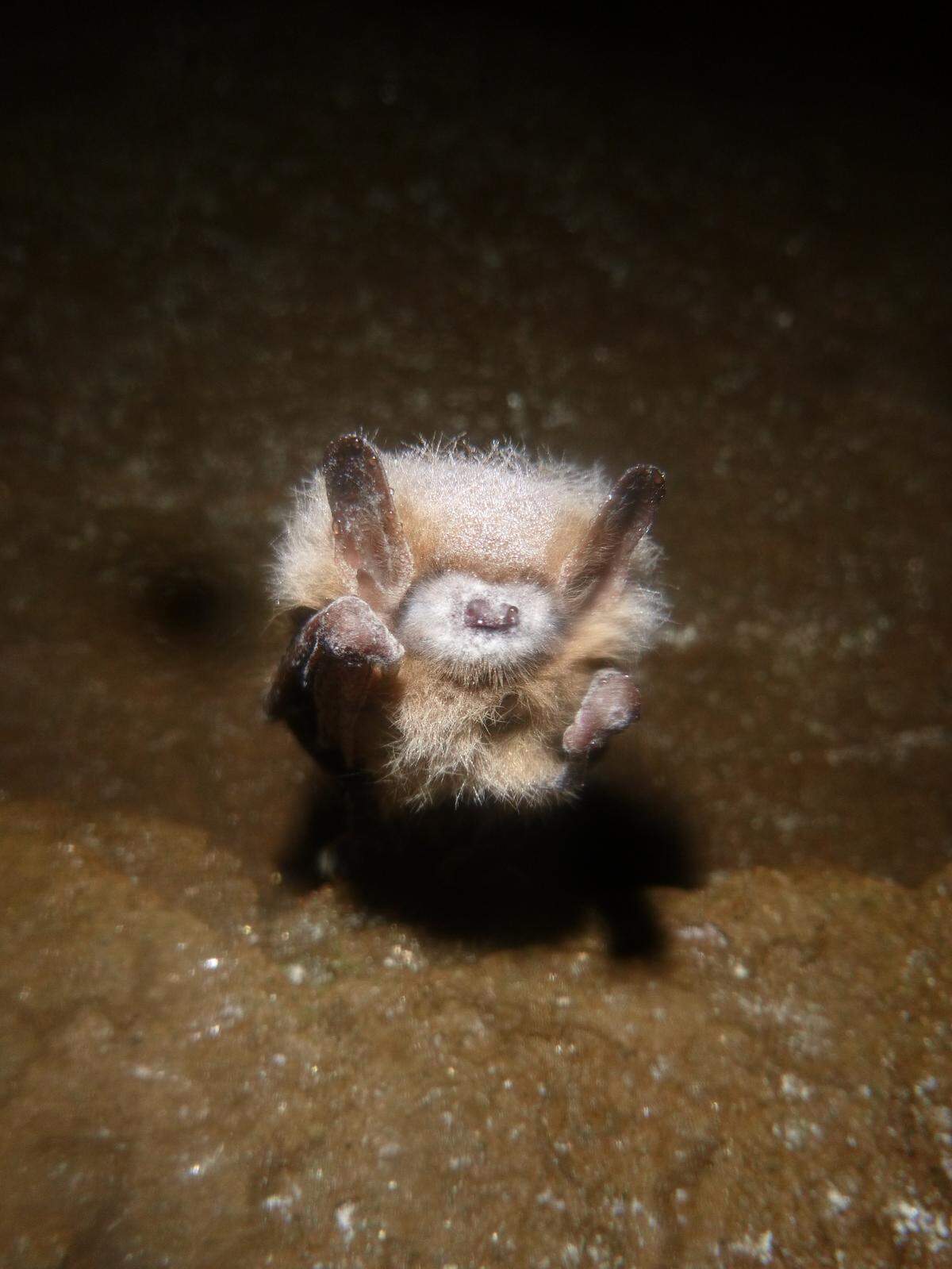
The population drop is because of a fungal disease called white-nose syndrome, which grows in humid, dark cool temperatures like caves. When the bats hibernate in winter, the disease irritates their skin, waking them up and they starve without bugs to eat.
Because the tricolored bats are becoming so rare, in 2022 the U.S. Fish and Wildlife Services proposed adding it to the federal endangered species list. It’s unclear when that might happen. An agency official was not made available for this story, and referred to its website about the tricolored bats’ increasing risk of extinction.
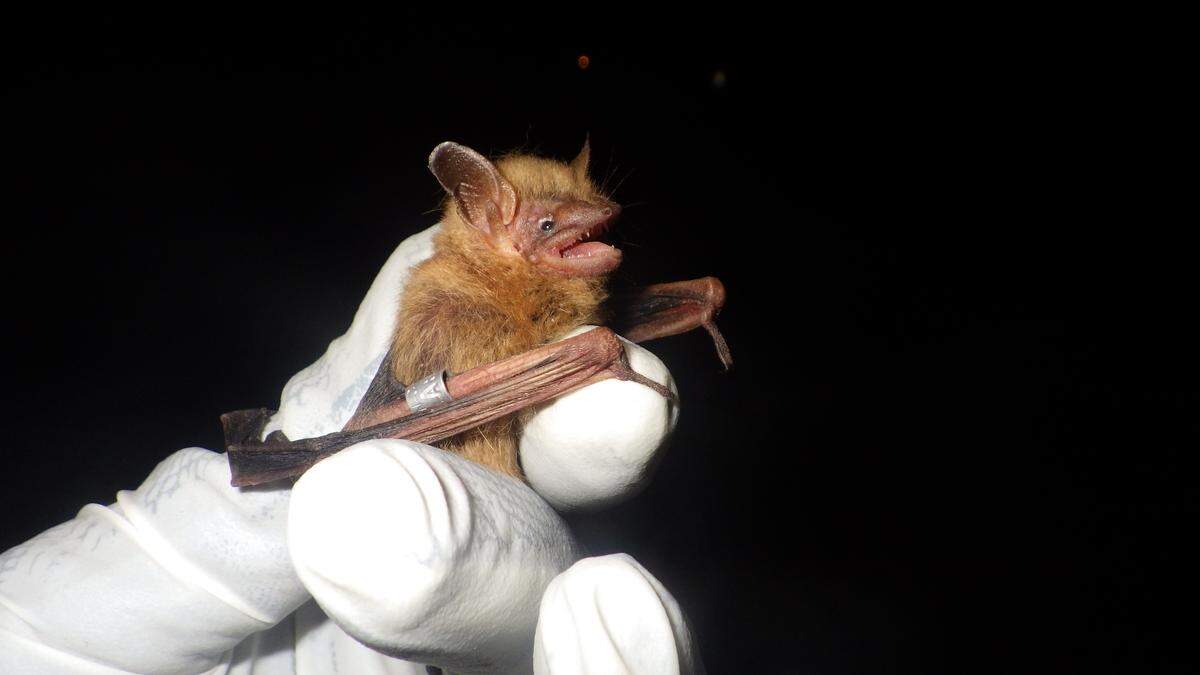
But Charlotte-based Albemarle is developing a plan to protect the tricolored bats at its 1,200-acre proposed Kings Mountain lithium mining site in Cleveland County, west of Charlotte.
Albemarle expects the tricolored bat eventually will be listed as endangered and has voluntarily taken proactive steps to protect it, said Erik Carlson, mining and permitting manager for Albemarle.
The bat’s tricolored fur appears dark at the base, lighter in the middle and dark at the tip, according to U.S. Fish and Wildlife Services.
“We haven’t seen them with our own eyes, but we know they’re there,” he said. “They’re not in the mine pit proper. They are in the trees and that’s their habitat.”
Finding the tricolored bats
Protection of the tricolored bat is part of Albemarle’s comprehensive environmental assessment to prepare for permitting to reopen the dormant lithium mine.
It’s too early to say how much the project will cost, but Albemarle officials previously told The Charlotte Observer that ”projects like this can cost hundreds of millions of dollars.”
North Carolina is among a few places in the world where lithium mining is possible. Lithium is used to It’s used to power everything from electric cars to cameras, laptops and cell phones.
Large green areas in white pegmatite rock called spodumene are extracted to make lithium. Albemarle’s lithium mine is expected to produce about 420,000 tons of lithium-bearing spodumene concentrate per year. Production is expected to begin in 2026.
Albemarle is about halfway into the process of removing water from the mine pit. “It’s a great deal of water, and we’re doing it very slowly,” Albemarle spokesman Ryan Dean said.
Albemarle’s environmental assessment looks at water, air, endangered animal and plant species, and wetlands. Among the field surveys completed over the past several years was one for the tricolored bats, Carson said.
“We did not find the actual presence of that bat in our pedestrian surveys but we did find habitat that it may use,” Carlson said.
Etchison said efforts to physically find them can be difficult because bats are highly mobile and fly in the dark. Because they’ve been located in neighboring counties like Gaston, Rutherford, Burke and Mecklenburg, it’s likely they are there, Etchison said.
Albemarle’s assessment started in 2022 and ran through 2023, followed by setting up 15 acoustic detector stations to record the bat calls.
The U.S. Fish and Wildlife Service guidelines require a minimum of detection to be conducted for 84 nights, Albemarle spokesman Ryan Dean said. Albemarle conducted monitoring for 114 nights, he said.
Tricolored bat calls were detected in the area.
“We started to talk about how best to protect that species,” Carson said.
Albemarle’s tricolored bat protection plan
Albemarle will voluntarily create and enhance forested habitat along the perimeter buffer of the Kings Mountain site, Carlson said.
“The project is more than just a pit,” Carlson said. “We’re talking about additional rock storage and room for buildings.
“We’re not concerned about impacting them in the activity of mining,” he said. “We’re concerned about potential impacts relative to removing their habitat.”
After consulting with the U.S. Fish & Wildlife Service as part of the National Environmental Policy Act process, and with the city of Kings Mountain, Carson said Albemarle’s plan includes:
▪ Limiting or eliminating tree removal during certain times of the year: May 1-July 15 during the pup season and Dec. 15- Feb. 15 during hibernation.
▪ Identifying native plant species to landscape the perimeter of the property as a visual and wildlife buffer.
▪ Creating a landscape plan to specify the number, type and location of plant species through local regulatory process.
▪ The buffer may vary from a minimum of 50 feet to several hundred, where possible.
Albemarle’s investment in protecting the bats is part of the company’s overall project development, Carlson said, but the company declined to say how it is spending on that protection.
No other state or federal threatened or endangered species were found in Albemarle’s assessment.
“We are just taking this additional measure for this particular species due to the condition of the population,” Carlson said.
Why save the tricolored bat?
The tricolored bat is one of 17 bat species in North Carolina, Etchison said. Three species are already federally endangered.
“They’re so unique, they’re the only flying mammal,” Etchison said of bats.
A tricolored bat, which can fit in the palm of your hand, weighs as much as a nickel but can eat 1,200 mosquito-sized insects an hour, Etchison said.
“In our state, bats are super valuable for the pest control because they eat a lot of insects that destroy crops and forest,” Etchison said. “A nursing female bat in summer can eat its body weight in insects in one night.
“We’re asleep and we don’t even know all of this is happening,” she added.
.JPG "tricolored with WNS (2).JPG")
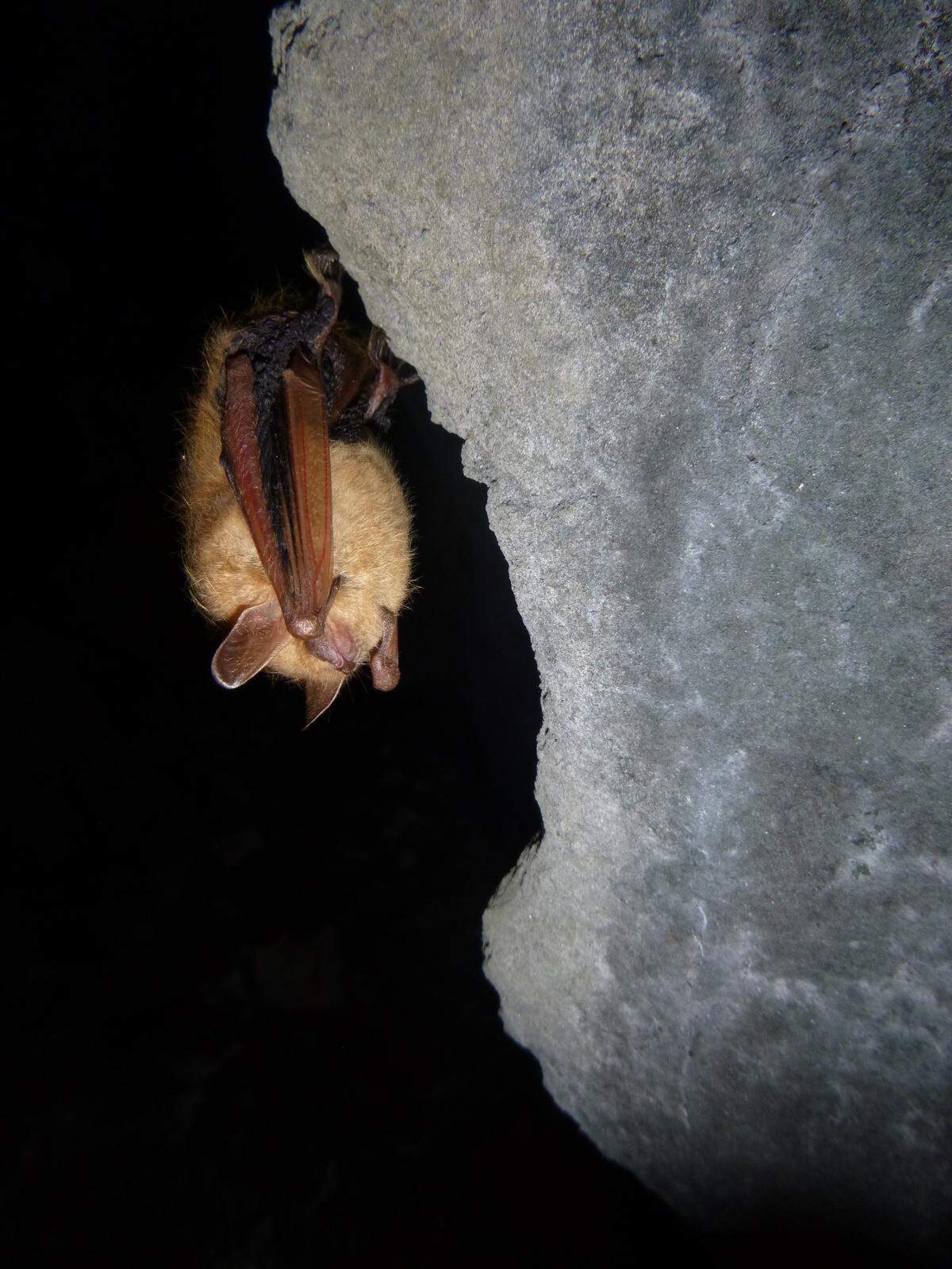
Tricolored bats roost in spring and summer in dead leaves and peeling bark crevices, especially oak trees, as well as culverts and bridges. Their long hibernation is usually in caves or mines. And they typically return in spring to the same areas.
But Etchison said caves that once had as many as 3,500 tricolored bats hibernating in them now have 30.
“We don’t know why some have survived and others haven’t,” she said. “There’s lots of things that are still a mystery about them.”
This story was originally published December 27, 2024 at 6:00 AM.