On Earth Day, a $6B west Charlotte project receives unusual appreciation
Development of rural land isn’t often associated with sustainability — but the 1,400-acre, $6 billion mixed-used River District project in west Charlotte is helping change that viewpoint.
The budding new neighborhood has earned the One Plant Living designation, a title that stems from that supports social, economic and environmental sustainability. Developer Crescent Communities announced the designation Tuesday morning, on Earth Day.
The designation was created in 2003 by Bioregional, a U.K.-based charity and social enterprise that educates developers, businesses and community members on practical ways to increase sustainability and foster healthy living.
The River District is only the third North American development to receive the designation and the first in the South. The other two are SOMO Village in California and Grow Community in Washington state.
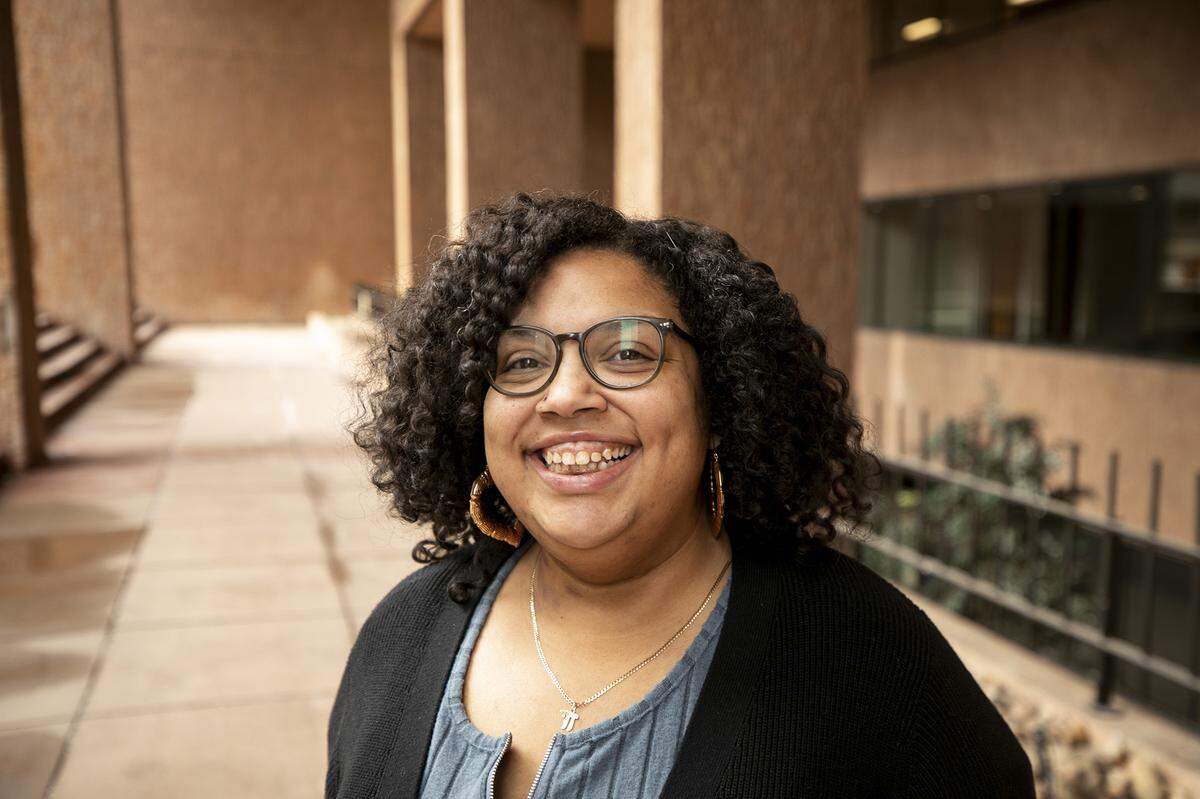
“We’re developers. We’re going to come in and build but can we do it more responsibly,” said Erika Ruane, Crescent’s stewardship manager. “Charlotte’s growing so fast. Let’s give people places to live but let’s also protect the environment around us…
“And this designation includes more than just your typical energy, water, waste. It’s about the sustainability of the person.”
A River District refresher
The River District is on the west side of the airport and Interstate 485 near the Catawba River. It sits on 1,400 acres of previously forested land, one of the last undeveloped tracts in Mecklenburg County.
Plans for the massive redevelopment began in 2016 and officially began in 2023. Over the next 10 to 20 years, the area will be filled with houses, businesses and people.
But one of the major concerns residents had with the project was the environment.
The plans required acres of trees to be cut in a city where the tree canopy is steadily decreasing. With the development’s proximity to the Catawba River, maintaining water quality was also an issue.
But these weren’t concerns Crescent shied away from, Ruane said. Crescent worked with environmental nonprofits such as Catawba Riverkeeper, Catawba Lands Conservancy, the Carolina Raptor Center and the North Carolina Wildlife Federation to make sure the development didn’t fully dismantle the eco-system.
One Planet Living framework
That’s where the One Planet Living framework comes into the play.
The framework consists of 10 principles that cover all aspects of sustainability and how to achieve them. The goal is to create a space for healthy living within the planet’s limitations.
Some of the principles include zero waste and protecting land. Other pillars focus on health and happiness; culture and community; and equity and local economy.
“We’re building a community… and the framework has helped guide us rather than provide a checklist,” said Rainer Ficken, the senior managing director of the River District.
While the River District won’t be a zero carbon community, projects within the development touch on all 10 of the framework’s principles.
▪ About 500 acres of green space will be preserved and concentrated so the natural habitat isn’t split up throughout the development.
▪ Thousands of trees will be planted, increasing the tree canopy for both health and beauty. Many of the cut down trees were harvested for timber and used throughout the development
▪ Over 30 miles of walking and biking trails will be in the district. Pocket parks will also be there, and no residents would be more than five minutes from a trail.
▪ A 2-acre urban farm will sit against the preserved green space and will be managed by an onsite farmer. The crops will be sold at a local market and to future restaurants.
▪ In the center of Westrow, the district’s first town center, there will be a pavilion with an event lawn, a farmers’ market and a 5,000-square-foot lifestyle building where residents can host parties, speak to staff or have meetings. That main road will also be able to host food trucks.
▪ The public will have access to farm goods as well to the Catawba River for kayaking and paddle boarding. There will also be a future park along the river that will host an amphitheater.
▪ And there’s the housing, which is a mix of multi-family and single-family, as well as various income levels.
There’s also other elements of sustainability, including the type of grass being used, the irrigation systems being set up and the appliances in all of the homes.
Again, the framework centers around happy and healthy living with the environment in mind.
“We are hoping that if someone chooses to live in this community, that we are bettering their life,” Ficken said. “All of this green space, community amenities, this is all part of their home.”
What’s next in the River District?
The homes are coming. Crescent’s NOVEL River District is under construction. That will be a 318-unit, seven-story multifamily development.
Pre-leasing will begin in December.
Crescent is also partnering with Laurel Street Residential to build an 87-unit affordable complex for those making 80% of the area median income or less. For a family of four, 80% AMI is about $84,800. That complex is also set to be completed this year.
Homebuilders David Weekley Homes, DRB Homes, Saussy Burbank and Toll Brothers are also working on their wave of single-family home construction.
Spread out to about 260 lots, the builders could create over 2,300 single-family homes. The model homes for all the builders should be complete by the summer. David Weekley and Saussy Burbank will work on single-family homes, while Toll Brothers and DRB will work on townhomes.
In January, Toll Brothers said it would build 63 townhomes with starting prices in the $500,000s. Sales for those are set to begin in the summer.
And all of the homes come after Crescent completed construction of the West Boulevard extension. The road heads further west, bringing residents straight to the development.
The 1-mile extension features two lanes going in each direction. There’s also a separated bike lane and an elevated sidewalk.
In about 10 to 20 years, the River District will have around 5,000 homes, millions of square feet of office space, half a million square feet of retail and 1,000 hotel rooms.
A new, sustainability-focused, neighborhood.
This story was originally published April 22, 2025 at 9:00 AM.