What’s next for Wells Fargo as growth limit penalty ends? Finance experts weigh in
Every year since 2016, Jeremy Kress began his banking law class at the University of Michigan’s Ross School of Business by putting up a picture of John Stumpf and asking students if they knew who he was.
Early on they recognized him, but not so much anymore. Stumpf was CEO of Wells Fargo when the banking giant’s fake sales accounts scandal was exposed. That’s where hundreds of thousands of Wells Fargo employees opened millions of unauthorized or fraudulent accounts and other financial products, from 2002 to 2016, to meet excessive sales goals.
In the scandal’s wake, the Federal Reserve imposed an unprecedented $1.95 trillion asset cap, the most significant of the many penalties Wells Fargo faced from regulators. For over seven years, the bank was essentially shackled in place while watching as rivals like Charlotte-based Bank of America continued to grow.
On Tuesday, the shackles came off. The Fed ended the punishment, saying Wells Fargo had met all the conditions for its removal. Wells Fargo is now free to grow.
Banking and financial experts told The Charlotte Observer they expect the bank to quickly begin working to grow its balance sheet through new and expanded loans and deposits.
“They’ve been incredibly careful to get this asset cap removed, but now we’ll see them being more assertive,” said Christopher Marinac, research director at investment banking firm Janney Montgomery Scott in Atlanta.
Wells Fargo officials did not respond to multiple requests for comment.
The bank is based in San Francisco but has its largest employment base in Charlotte, with 27,000 workers.
.png "image (22).png")
After showing Stumpf’s picture, Kress pulled out a chart showing how Wells Fargo’s stock price had outperformed all of its big bank peers for the decade leading up to the scandal. “But as soon as the enforcement action was announced, the stock plummeted by 10% to 15% relative to other banks,” he said.
While Wells Fargo was under the growth restrictions, it slipped from third-largest bank by consolidated assets in the country to fourth.
“(The Wells Fargo scandal) is exactly the message that I want to open the class with,” Kress said. “If you are a leader of a bank, you have to pay attention to legal risks, not just for the law’s sake, but because of business and shareholder risks.”
Wells Fargo after the asset cap
On Wednesday, Janney released a report on asset growth of banks from 2019 to 2025. It showed that Wells Fargo grew by 0.5% while peers JP Morgan and Bank of America grew by 8% and 6%.
The asset cap cost Wells Fargo 2.2% of aggregate bank deposits, said Siddharth Vij, assistant professor of finance at Terry College of Business at the University of Georgia. That finding was in a research paper he co-authored last year, “Size-Based Regulation and Bank Fragility: Evidence from the Wells Fargo Asset Cap.”
“The asset cap definitely held Wells Fargo back,” Marinac said. “But the company was forced to be creative in how it made money and that will serve them well in the future.”
Marinac expects Wells Fargo to focus on buying assets like mortgages and securities, potentially leading to higher earnings and a stronger stock price. Wells Fargo also will become a bigger player in the lending market by originating more commercial loans and residential home equity lines rather than having to sell into secondary markets, he said.
Vij said his research shows Wells Fargo prioritized keeping household and small retail customer deposits while giving up bigger corporate and commercial deposits.
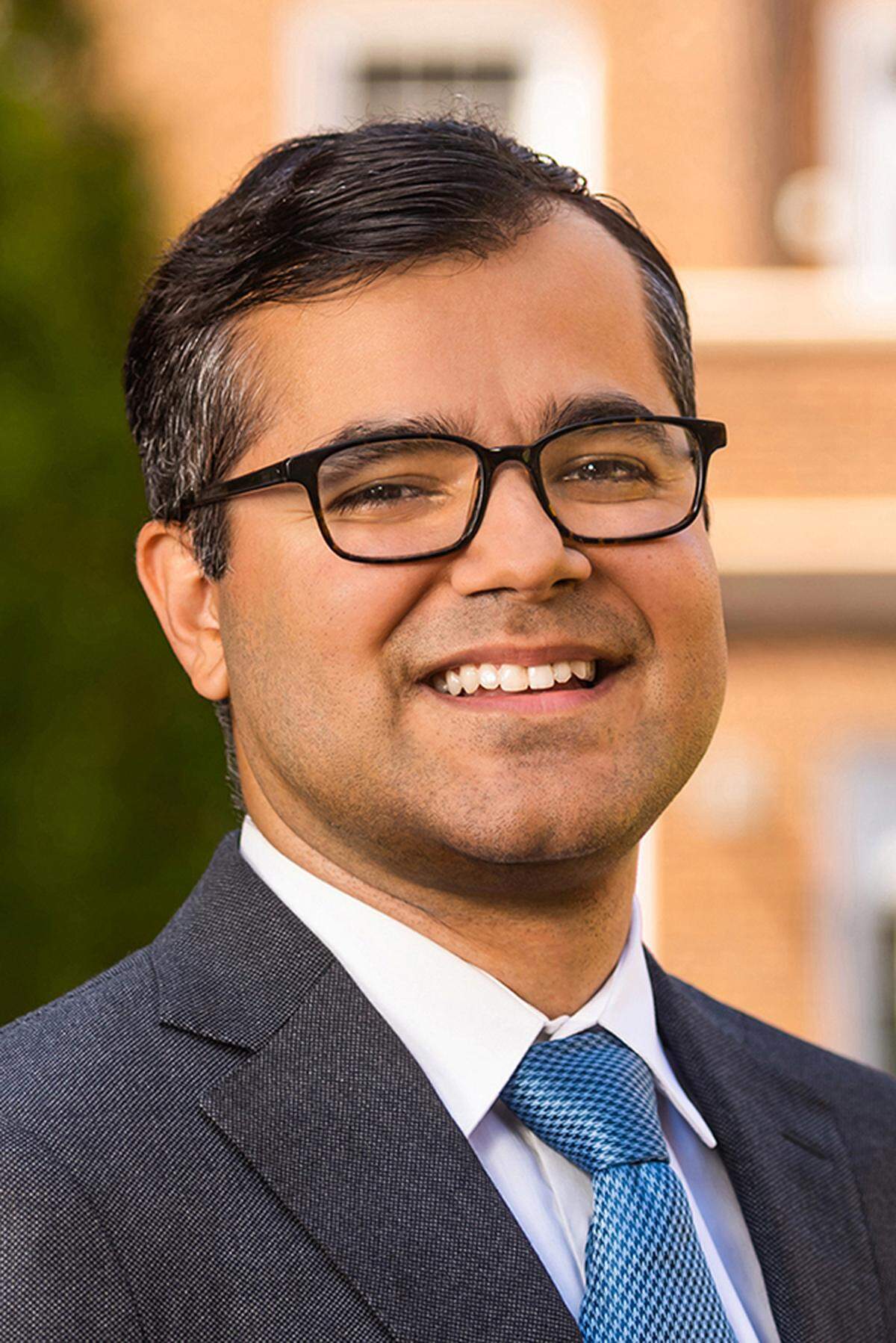
“The asset cap was quite damaging for Wells Fargo,” Vij said. “The point we make is a lot of the deposits were given up to regional banks. Now they (Wells Fargo) are going to aggressively pull some of that back.”
Wells Fargo CEO Charlie Scharf was among the C-suite executives who toasted the end of the asset cap with champagne, and told the Wall Street Journal, “Now I can start having more fun.” He said the bank could become one of the nation’s top five investment banks. “And then there’ll be an argument about, ‘Well, why top five? Why not four or three?’ ” Scharf said.
Wells Fargo also will seek to grow its consumer branded credit-card business, bring wealth-management clients to other bank service and potentially restart originating home-equity lines of credit, the Journal reported.
Marinac expects Wells Fargo will show a bigger impact from the asset cap removal in the third and fourth quarters of this year.
The bank’s growth could also lead to adding more employees, Marinac said, and if Wells Fargo chooses, recapturing its No. 3 rank. “Not by next year, but (in the) next three or four years it’s possible,” he said.
As Wells Fargo expands, Vij said “it will be interesting to see if they’ve actually fixed the issues that led to the asset cap. I’m sure the regulators are going to keep a close eye on them.”
Wells Fargo and the future
Wells Fargo’s asset cap penalty has been an “experiment” and a tool regulators are continuing to use, Vij said. In October, for instance, the Office of the Comptroller of the Currency imposed a $434 billion asset cap on TD Bank’s U.S. retail banking operations stemming from money laundering investigations.
How Wells Fargo moves forward will be of interest not just to the banking industry but to their regulators as well, Vij said.
Regulators also had identified additional problems at the bank, including how Wells Fargo handled mortgages, auto loans and consumer deposit accounts. Those led to a number of other penalties and other actions by regulators.
When the Fed removed Wells Fargo’s asset cap, it noted how the bank had met the conditions for relief, including changes in governance and risk management programs, and completing a third-party review of those improvements.
Kress still plans to focus on the Wells Fargo sales scandal at the course opening
The bank has come under investigation over other issues. Less than a year ago, for instance, it reached an agreement with the OCC over anti-money laundering practice deficiencies.
“If (Wells Fargo) can’t keep its entire house clean, it needs to be under closer supervisory scrutiny,” he said. “The asset cap was unprecedented but consumer abusers were pretty unprecedented.”
NC Reality Check reflects the Charlotte Observer’s commitment to holding those in power to account, shining a light on public issues that affect our local readers and illuminating the stories that set the Charlotte area and North Carolina apart. Have a suggestion for a future story? Email realitycheck@charlotteobserver.com
This story was originally published June 5, 2025 at 5:00 AM.