Worker sues NC bank after boss leaves Chucky doll in her chair, lawsuit says
A Truist employee is suing the Charlotte-based bank over discrimination and retaliation claims, a situation that was exacerbated by Chucky, “the doll that kills people,” according to a federal lawsuit.
Truist failed to address workplace discrimination and allowed a hostile work environment that caused her significant emotional and financial harm, according to the lawsuit filed May 21 in U.S. District Court for the Eastern District of North Carolina.
The Nash County resident was hired as a full-time relationship banker in April 2024 in Rocky Mount, 226 miles northeast of Charlotte and 60 miles east of Raleigh.
The employee experienced discrimination and retaliation at Truist due to her disabilities, which include major depressive disorder, anxiety disorder, autoimmune disorder vitiligo and post-traumatic stress disorder, according to the lawsuit. Vitiligo causes patches of skin to lose pigment or color, according to the National Institute of Arthritis and Musculoskeletal and Skin Disease.
The lawsuit says the PTSD was a new diagnosis after the incident with the Chucky doll at the bank.
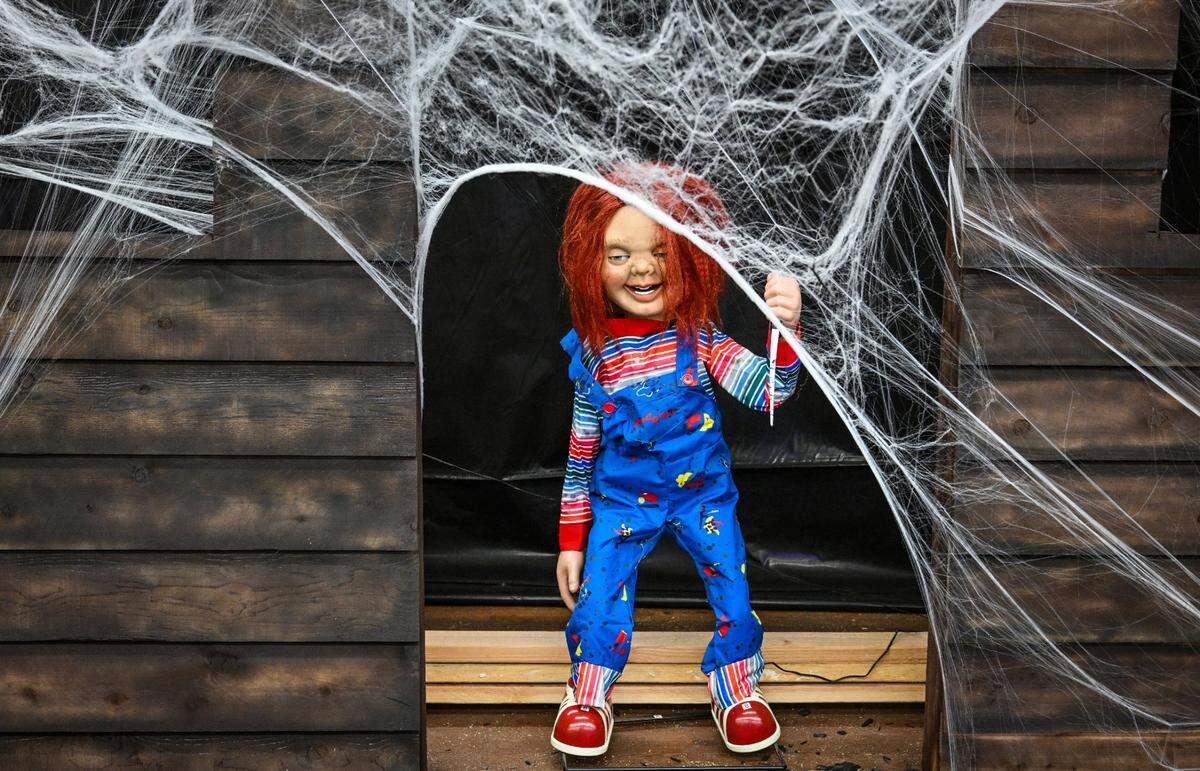
In June 2024 during her last week of her can initial training, her manager placed a Chucky doll — “the doll that kills people” — in her chair, which worsened her medical conditions, according to the lawsuit. Chucky is a fictional character in the horror slasher film series about a toy doll possessed by a serial killer. The original film, “Child’s Play,” starring Chucky was released 1988, followed by numerous sequels.
Her manager knew about her fear of dolls and that it negatively affected her disabilities, according to the lawsuit. He “laughed when he saw (her) reaction to the Chucky doll,” the lawsuit said.
She was treated by her medical provider that same day and placed on eight weeks of medical leave to treat her disabilities, the lawsuit said. “She was newly diagnosed with post-traumatic stress disorder after the Chucky doll incident,” according to the lawsuit.
Lisa Walker, the attorney representing the plaintiff, did not respond to requests for comment Friday. Truist officials did not respond to a request for comment.
After the Chucky doll incident
The employee returned to work in August 2024 and was subjected to continued mistreatment, including mockery and unequal treatment related to job performance and workplace accommodations, according to the lawsuit.
She had an accommodation to leave work at 3 p.m. three times a week for treatment of her autoimmune disorder. The “treatment was for flare-ups that started as a result of the Chucky doll incident,” the lawsuit stated.
The employee also was assigned a new manager who said she was aware of the doll incident and moved her to a different office.
In November, after she discovered a fraudulent check, her new manager joked and laughed with the team that she was “always fraudulent vigilant.” Supervisors then aggressively reprimanded her, questioned her need for medical leave and implied she was unfit for the job, according to the lawsuit.
She suffered panic attacks and ultimately forced out of work, according to the lawsuit.
The plaintiff is seeking a jury trial with compensatory damages, backpay and reinstatement.
Truist, which was formed in 2019 with the merger of BB&T and SunTrust banks, is headquartered at 214 N. Tryon St. More than 3,000 workers are in the Charlotte area, part of around 40,000 people companywide.
This story was originally published June 17, 2025 at 5:00 AM.