Can this Charlotte two-lane road handle more development? Neighbors say no
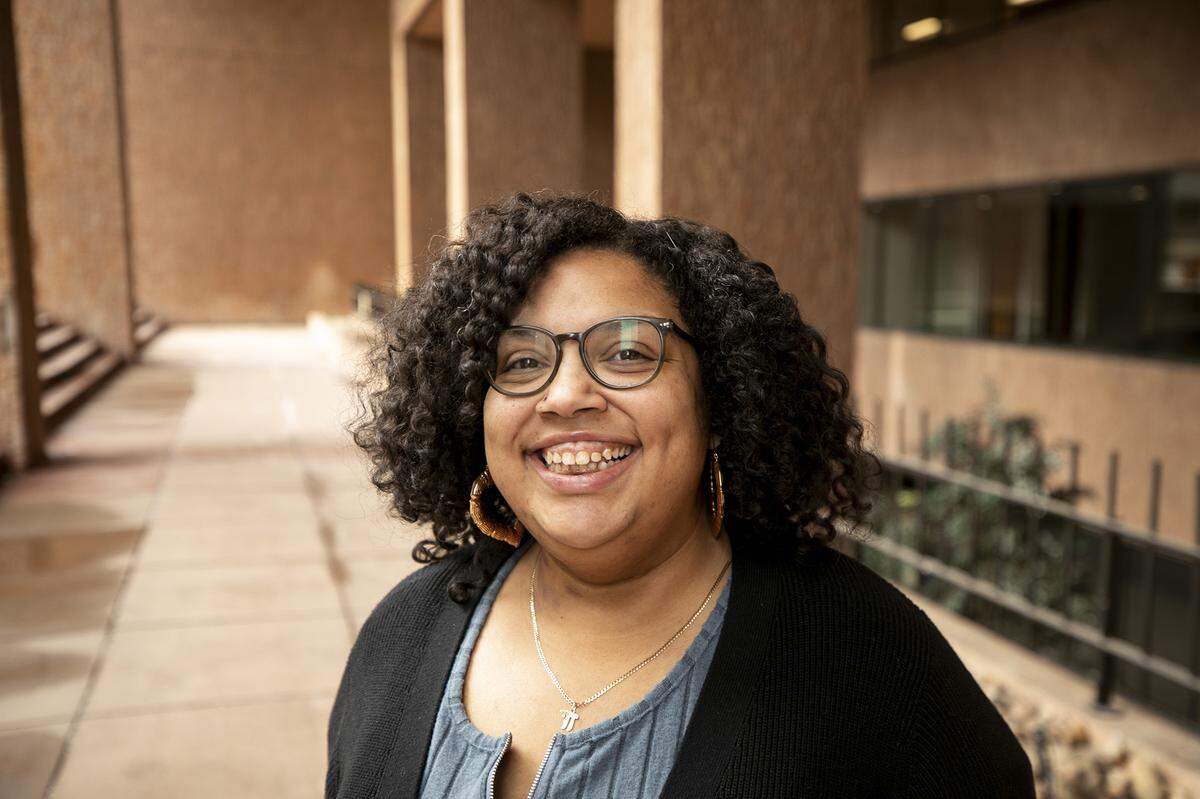
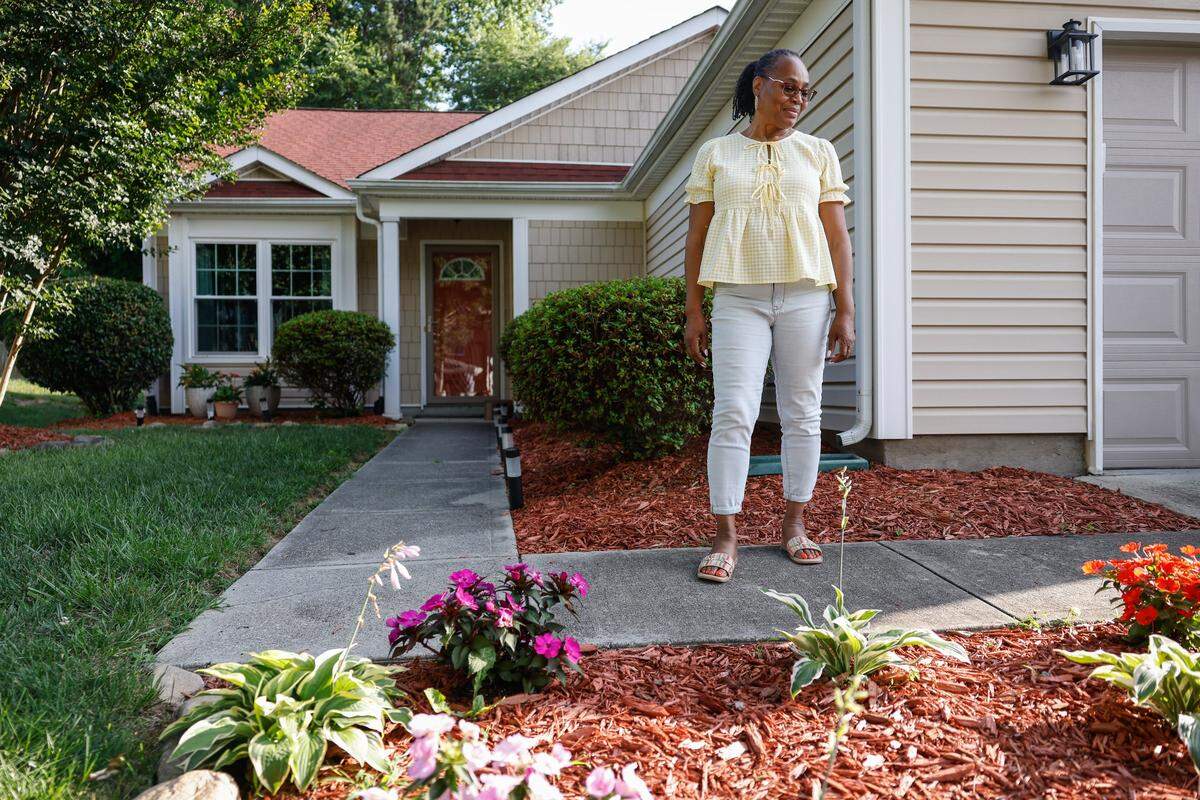
When Michelle Mitchell moved to Mountain Island in 2008, she remembered noticing how undeveloped the northwest Charlotte neighborhood was.
Dense wooded areas filled the gaps between sparse subdivisions. Traffic caused a low hum alongside the chirp of a bird or the chitter of cicadas.
“I just always thought it was going to stay like that,” Mitchell said. “I had no idea of the growth that was coming to take over this area.”
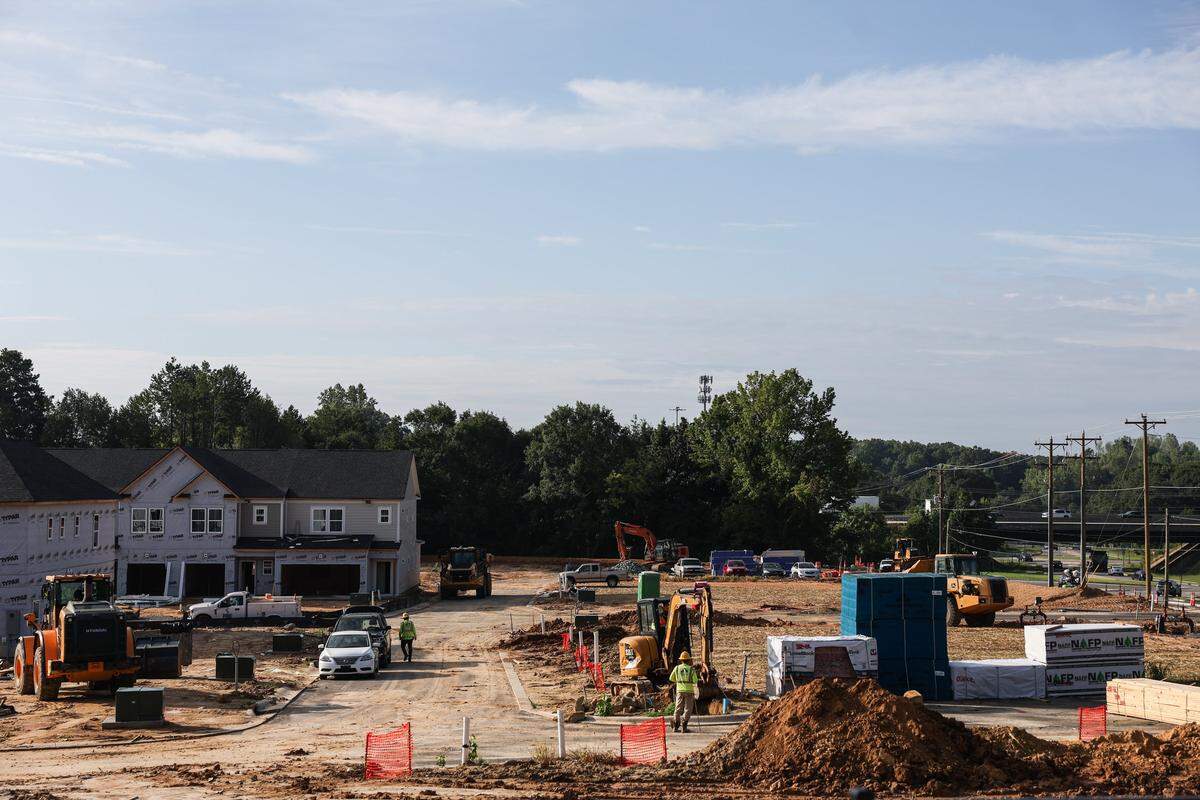
In the last 17 years, Mitchell said the area has become a development hotbed. Housing is sprouting in every nook. Shopping centers line the intersections filled with some local but plenty of national retailers, restaurants and a weird amount of autoparts stores. Really, one shopping center has three of them.
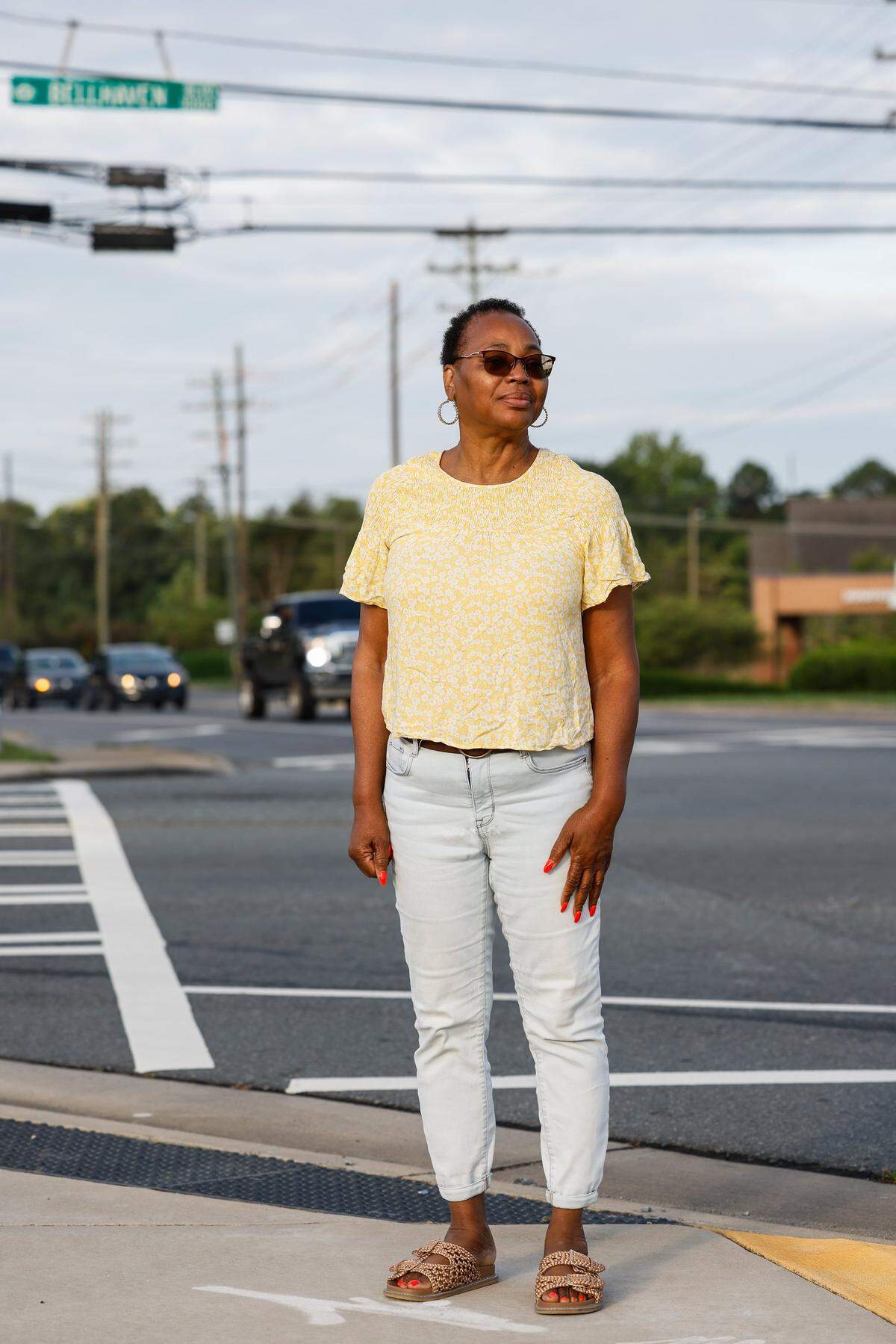
Wooded areas still exist. When Mitchell drives past the tall trees, she knows they’ll be replaced with something or someone. And soon. But the additional residents and businesses aren’t Mitchell’s main concern.
It’s the traffic.
With all the growth in the community, one thing has remained the same: Mt. Holly-Huntersville Road, the neighborhood’s main corridor.
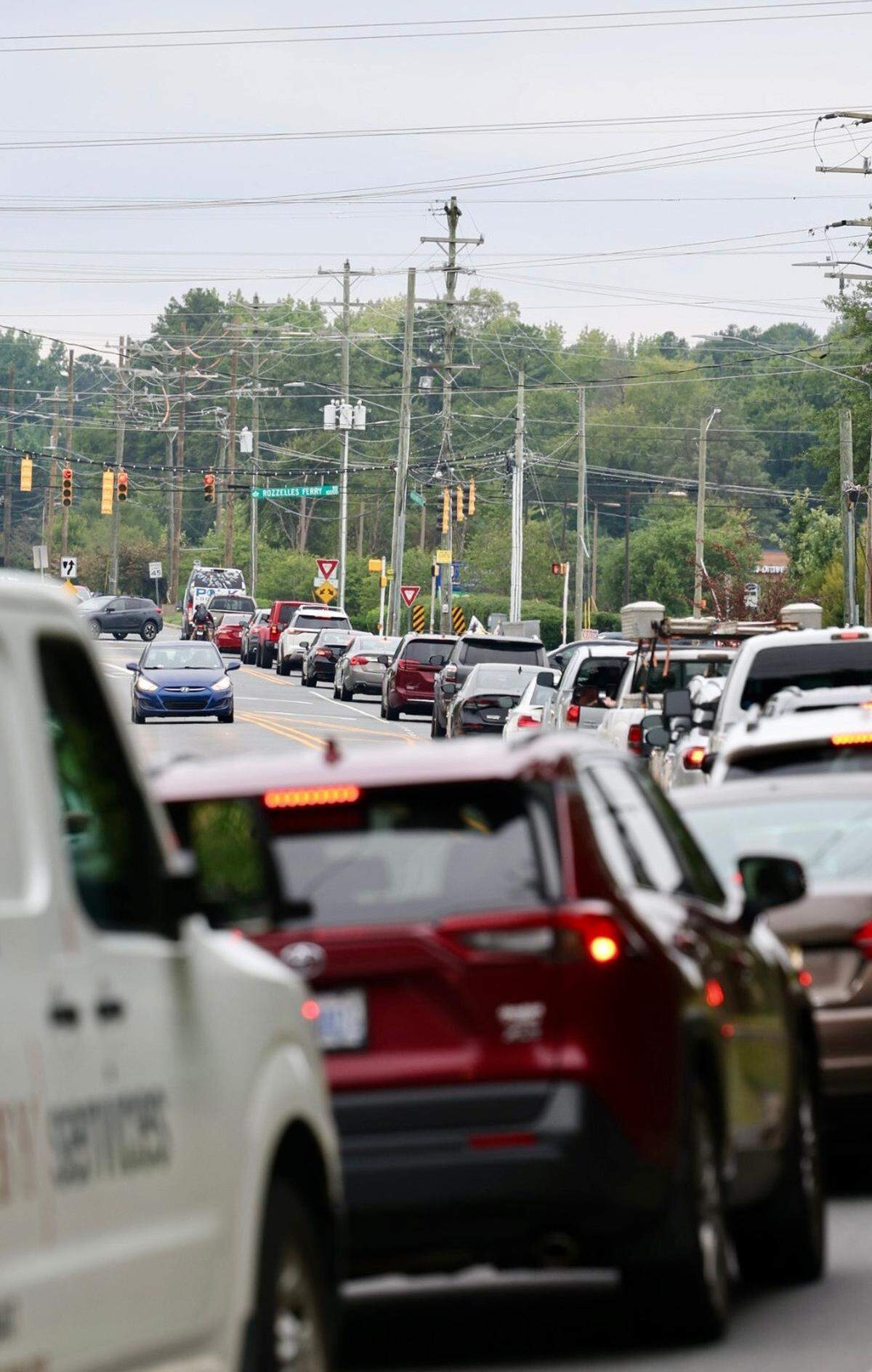
The approximately 15-mile, state-owned road is a two-lane corridor. One way northeast and one way southwest. All of the area’s developments feed into that roadway. For at least a decade, residents have asked for Mt. Holly-Huntersville Road improvements, specifically widening to accommodate the growth.
Those request remains unfilled. And it’s the state’s responsibility.
“We have to rely on the state to do their job,” said Charlotte Councilwoman LaWana Mayfield.
This isn’t unique to Mountain Island, she said. Charlotte’s growth is outpacing its roadways and public transportation options. Mayfield and Councilman Malcom Graham point to Steele Creek as another area with strained two-lane state-owned roadways.
North Carolina has the second largest state-maintained road system in the U.S. It owns more than 80,300 miles of roadway, and funding to fix the roads remains sparse.
Residents who use Mt. Holly-Huntersville Road have been told by city and state officials that solutions are being looked at. Even if improvements are eventually approved construction remains decades away.
Meanwhile, the roadway will continue to plague residents, who say development needs to slow down so officials can think of ways to give the road a chance to catch up.
“We’re steadily building and building, but the infrastructure can’t keep up and traffic gets worse and worse,” Mitchell said. “People are frustrated. We can’t get in or out of the developments without sitting and waiting and getting into accidents trying to get out…
“It’s dangerous. It’s been like this for years and there’s no plans to change it.”
Ins and outs of Mt. Holly-Huntersville Road
The growth along Mt. Holly-Huntersville Road really started in 2007 when Interstate 485 opened between Mount Holly Road and N.C. 16, or Brookshire Boulevard, according to Kelly Pledger.
She’s lived in Mountain Island since 1999, back when people didn’t know that Charlotte had a third lake community besides Lake Norman and Lake Wylie, Pledger said.
“The link to the outerbelt changed everything here,” Pledger said. “It opened things up. Not only did we become more dense in population and growth… We became a significant pass-through for people commuting to the city every day from Lincoln County, Mount Holly and places like that.”
Essentially, that’s why Mt. Holly-Huntersville Road exists. The roadway is considered a secondary road by the state, meaning it serves local traffic and connects drivers to the highway system.
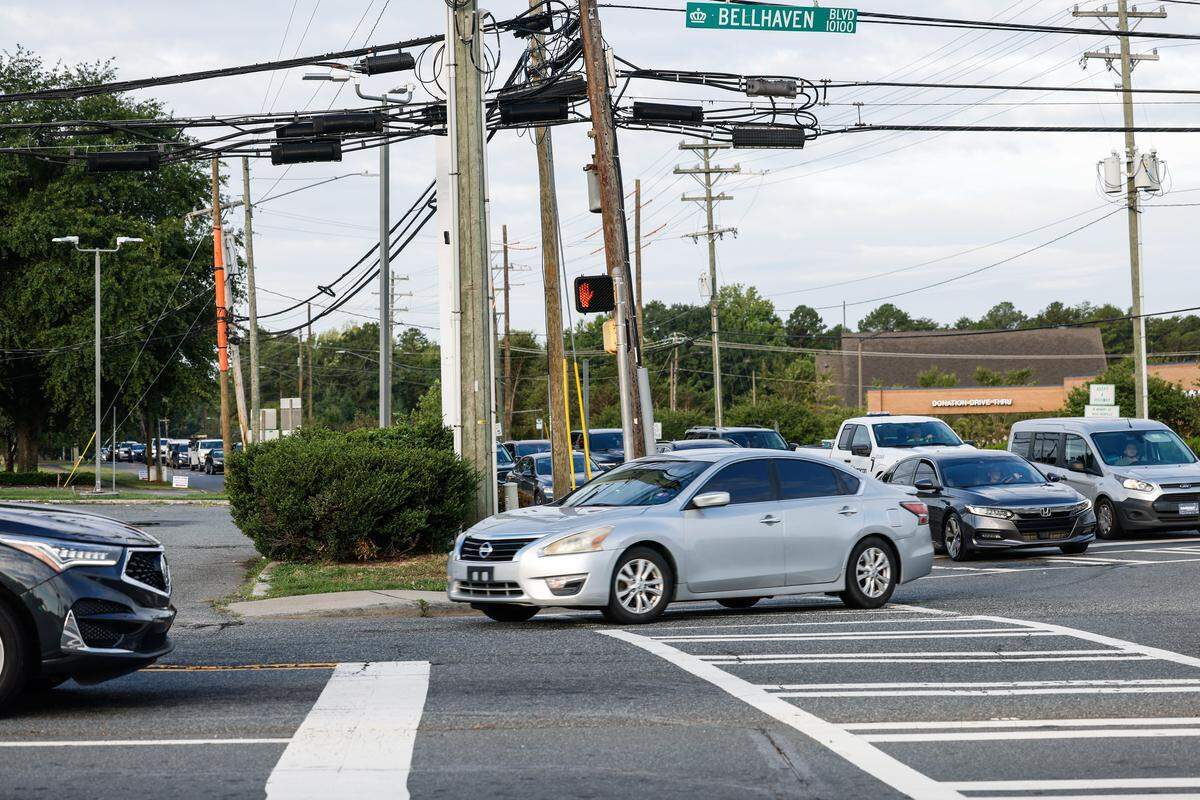
Historically, secondary roads were in rural areas and mainly used by farmers to transport goods to major areas, according to a 2016 traffic study by the N. C. Department of Transportation on improving safety on those roads.
But many of those roadways are now in urban areas.
“Now, these roads often carry higher traffic volumes at higher speeds, with competing modes (bicycle and pedestrian), that were not contemplated at the time the roads were constructed,” the study stated.
Mt. Holly-Huntersville Road is a prime example of that concern, connecting a growing number of local and suburban drivers from Huntersville, Mount Holly or Belmont to Charlotte’s city center.
“We’ve watched it continue to be a bigger and bigger problem, and yet things have not changed a great deal with the infrastructure,” Pledger said. “We’ve talked about it with people that can make decisions to change the outcomes as far back as 2014. And yet, here we are.”
State roads and prioritization process
The people Pledger is referring to are city and state officials, along with the North Carolina Department of Transportation.
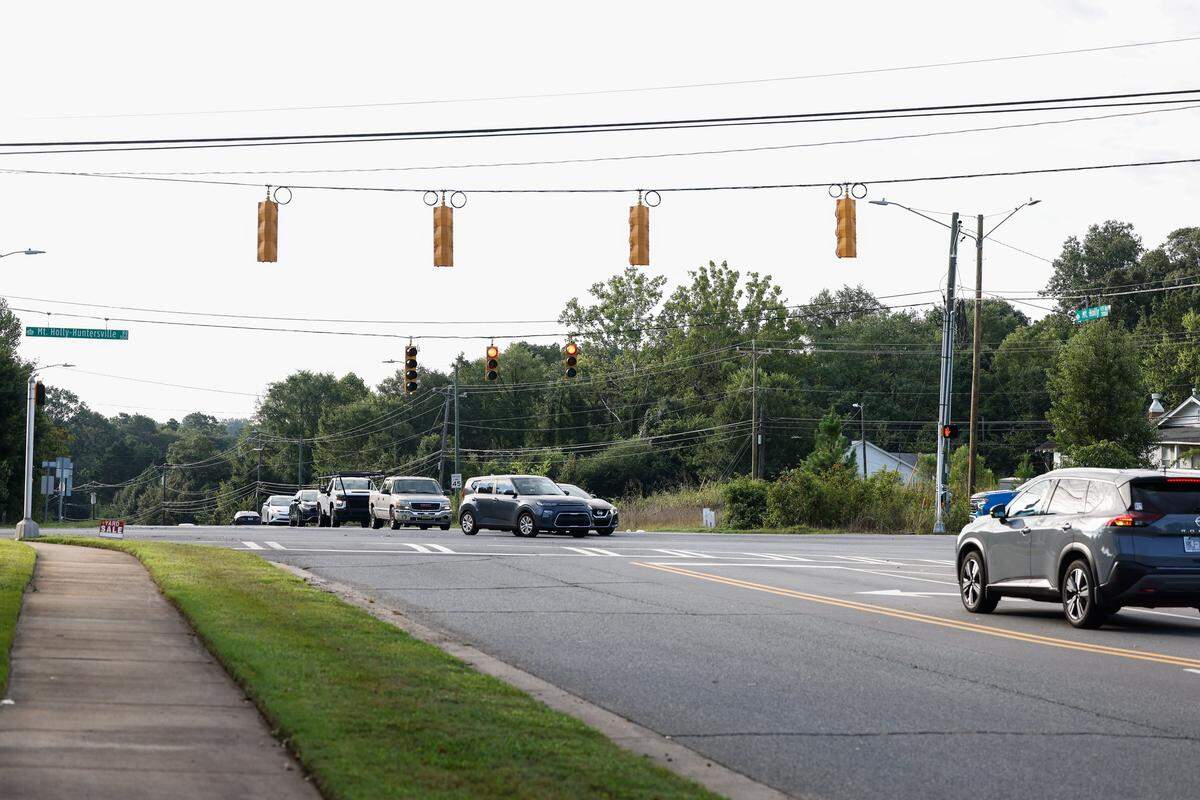
Because Mt. Holly-Huntersville Road is state-owned, any widening project would need to be approved and funded by the state. Developers can and have made infrastructure changes across Charlotte but the responsibility to fix the roadway remains with the state.
For the state to approve such a project, there’s a long series of steps. The first comes from the Charlotte Regional Transportation Planning Organization, which looks at urban transportation improvements in Iredell, Mecklenburg and Union counties.
If approved, the project goes into a long-range planning document, the Metropolitan Transportation Plan, which guides and identifies transportation needs over a 30-year span. That plan is submitted to the state.
If the project receives a high score through data analytics, it becomes part of the State Transportation Improvement Program, a 10-year funding and construction scheduling document.
So, have residents’ pleas for Mt. Holly-Huntersville Road widening fallen on deaf ears?
Yes and no.
Since at least 2014, Mt. Holly-Huntersville Road has not made the cut for the Metropolitan Transportation Plan. The Charlotte planning organization did not respond to a Charlotte Observer question on whether the roadway was considered for the previous plans. But the organization did confirm that the roadway wasn’t included in previous plans.
Since it wasn’t nominated, the request was never submitted to the state.
However, the planning organization is currently drafting its 2055 metropolitan plan, and two sections of Mt. Holly-Huntersville Road were included for consideration: widening of Mt. Holly-Huntersville Road between Bellhaven Boulevard to Mt. Holly Road and between Brookshire Boulevard to Rozzelles Ferry Road.
Only the former scored high enough to be considered for funding, according to Merritt McCully, a community engagement coordinator with the planning organization. The latter may be resubmitted in the 2060 metropolitan plan, he added.
And according to the planning document, the construction timeframe is between 2046 to 2055, only if the state approves the request.
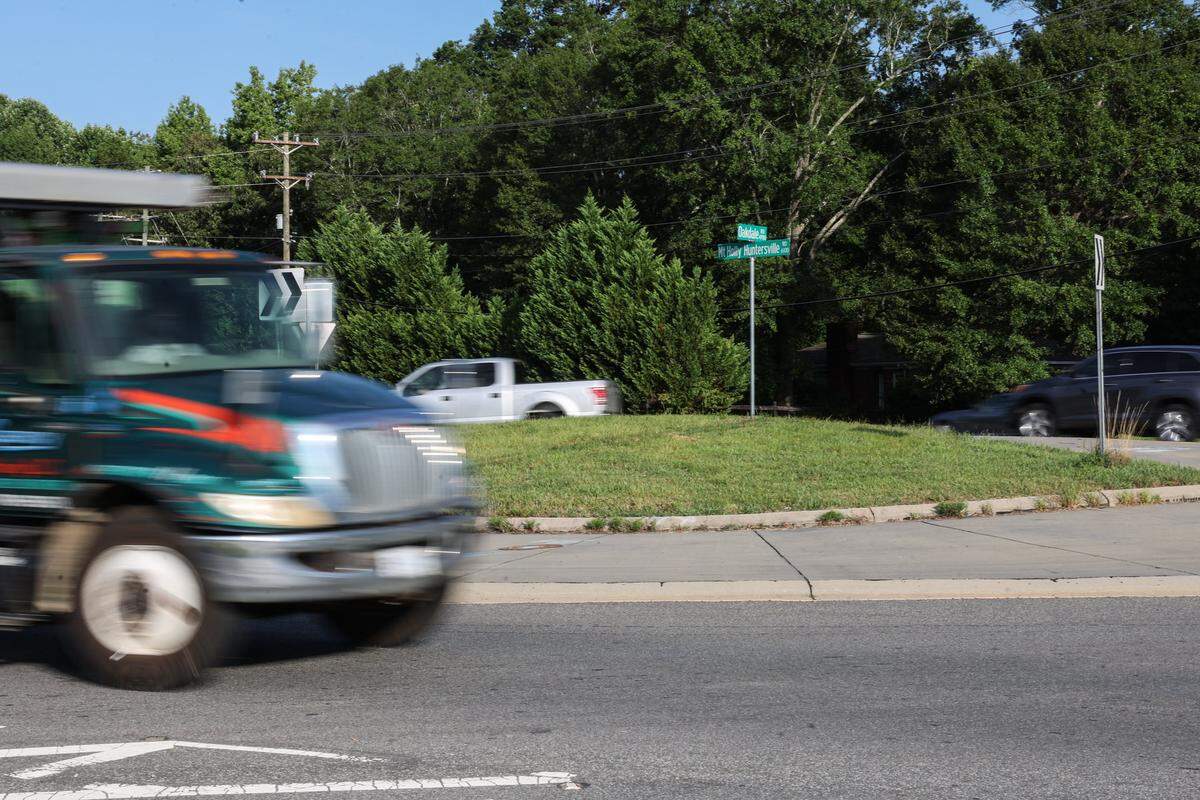
The planning organization will discuss the 2055 metropolitan plan on Aug. 20 during a public meeting at the Charlotte-Mecklenburg Government Center. Those interested in making an in-public comment can sign up here.
The 2055 plan will be adopted next year.
“We keep saying (Mt. Holly-Huntersville Road) is a problem and people keep saying it’s on the list, but we just got the impression that somehow, somewhere, somebody’s not stepping up and speaking out on our behalf,” Pledger said. “And in the meantime, they continue to approve development after development after development.
“It’s at the point where we can’t sit back and watch it happen anymore.”
Mountain Island rezonings
The need to speak up sparked the creation of the Mountain Island Community Alliance this year, a neighborhood group Pledger joined. A rezoning that slipped under residents’ radar also spurred an interest to ban together to question corridor growth.
In March, Charlotte City Council approved a rezoning request to allow for an 80-unit affordable senior housing apartment complex on Couloak Drive off of Mt. Holly-Huntersville Road and near Brookshire Boulevard.
No one attended the public hearing, but city councilmembers Mayfield and Graham said they received emails from residents concerned about traffic.
.JPG "CLT_MHHRTraffic_4 (1).JPG")
City planning said the area was walkable, but that’s subjective. While there’s sidewalks, Pledger said, there’s so much heavy car traffic in the area that it isn’t feasible to walk.
“We needed to have a group that can say to developers, no, this is not an accurate representation of what it’s like to live right there,” Pledger said.
And there’s more rezonings on the docket. While not on Mt. Holly-Huntersville Road, a development for 90 townhomes on Mt. Holly Road is pending a decision by Charlotte City Council. That decision was deferred to Aug. 18.
Another rezoning for 64 townhomes on Mt. Holly-Huntersville Road may also be decided on Aug. 18.
Then there’s a rezoning right across from the affordable housing complex. The petition from RED Partners under Tryon Advisors, LLC, is for 70 to 85 for-sale townhomes along with a daycare center at Cooks Memorial Presbyterian Church.
During a community meeting on the project, about 50 people attended and the main concern was traffic, according Jon Beall, a broker with RED. He understood the concern.
“We’re trying to do everything we possibly can to develop the real estate in a responsible manner to the right intensity, and we can’t control what happens with the infrastructure,” Beall said. “Rarely does the infrastructure come before the growth.”
More housing and a police station
So, what’s next for Mt. Holly-Huntersville Road? No roadway improvements projects, but definitely more housing.
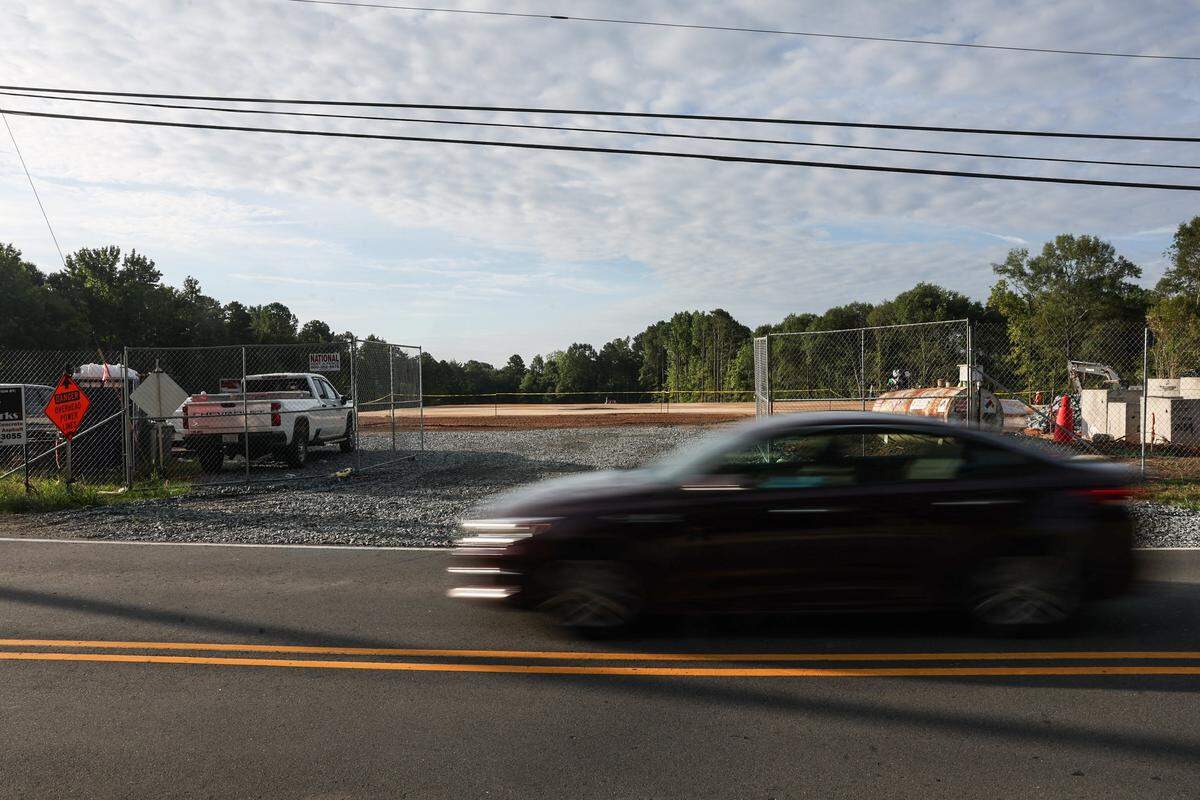
Construction is underway on several developments including 240 apartments at Easton at Mountain Island, about a mile and a half from Mitchell on Mt. Holly-Huntersville Road. Westgate Landing on Mt. Holly Road was completed this year with about 221 units.
Then there’s the new police station.
Charlotte-Mecklenburg Police broke ground on its Northwest Division station in June on Mt. Holly-Huntersville Road. The station will be completed by 2027.
The Northwest Division is a newly created sector, spawned because of growth in the area. When asked why CMPD chose the busy corridor for its new facility, a spokesperson didn’t directly answer the question but said as the city grows, so does its police department.
There’s already a fire station along Mt. Holly-Huntersville Road. Both Mitchell and Pledger said they’ve seen emergency vehicles try to get through the area but traffic blocks their paths.
Councilman Graham, who represents this area, said he hears residents’ concerns, though he reiterated that fixing the roadway has to be paid for by the state.
At an April townhall meeting, residents demanded a development moratorium be placed on the area, but Graham said that isn’t feasible. What is feasible, he said, is looking at future rezonings with a critical eye.
Mayfield wants council to slow down on approvals and take into consideration what’s being built in the area without a rezoning process.
“Councilmember (Renee) Johnson has been saying for years, why are we not looking at the cumulative impact of what we approve,” Mayfield said. “I’m not saying no to development. But I am saying can we take a pause and evaluate where we are, what’s happening right now and then look at 20 years from now.”
‘It’s dangerous to drive’
In June, Mitchell took The Charlotte Observer on a tour of her neighborhood around 4 p.m. on a Monday.
“I’m so embarrassed because this is a light traffic day,” Mitchell said. But to an inexperienced Mt. Holly-Huntersville Road driver, traffic and safety didn’t seem light.
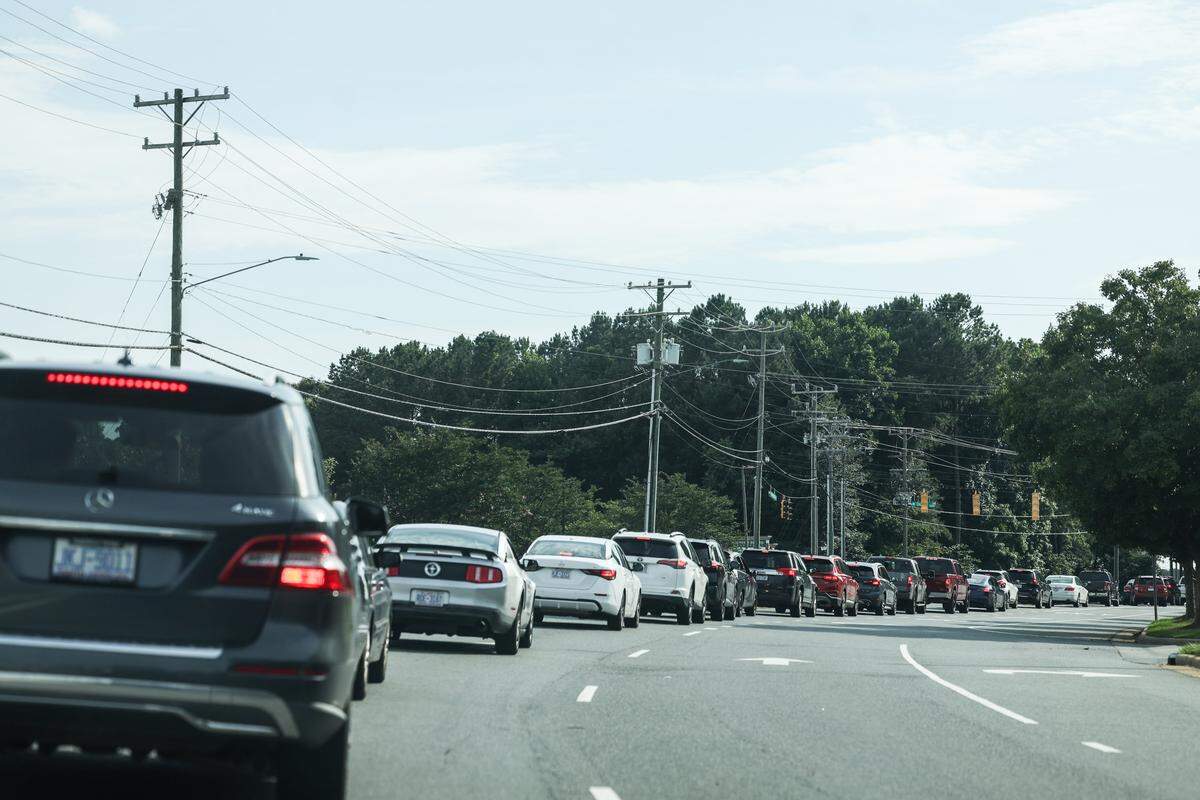
It took about 10 minutes to travel from Brookshire Boulevard to Bellhaven Boulevard, which is about half a mile. Mitchell said sometimes it takes double that time.
Several cars eager to leave the shopping centers and subdivisions made blind turns, narrowly missing oncoming traffic. No one was walking.
“The cars will steadily come and people will get impatient. It’s dangerous to walk,” Mitchell said. “It’s dangerous to drive.”
Mitchell shares Pledger’s sentiment about the area’s development. Change will happen as the city grows, Mitchell said. But if the roadways can’t handle the influx of people now, what will happen when more people arrive?
“There’s good in change,” Mitchell said. “Both of my girls purchased a home nearby because it’s still affordable compared to other parts of the city. The bad is the infrastructure.”
At the intersection of Mt. Holly-Huntersville Road and Mitchell’s subdivision of Northwoods at Northwoods Forest Drive, there’s no traffic light. Mitchell often walks the area and must dart across Mt. Holly-Huntersville Road to get back home.
As we patiently waited to cross over Mt. Holly-Huntersville Road in Mitchell’s vehicle, one car decided to blast through the intersection, tires screeching and smoking leaving honking cars in its wake.
“Welcome to the neighborhood,” Mitchell said.
This story was originally published August 6, 2025 at 5:45 AM.