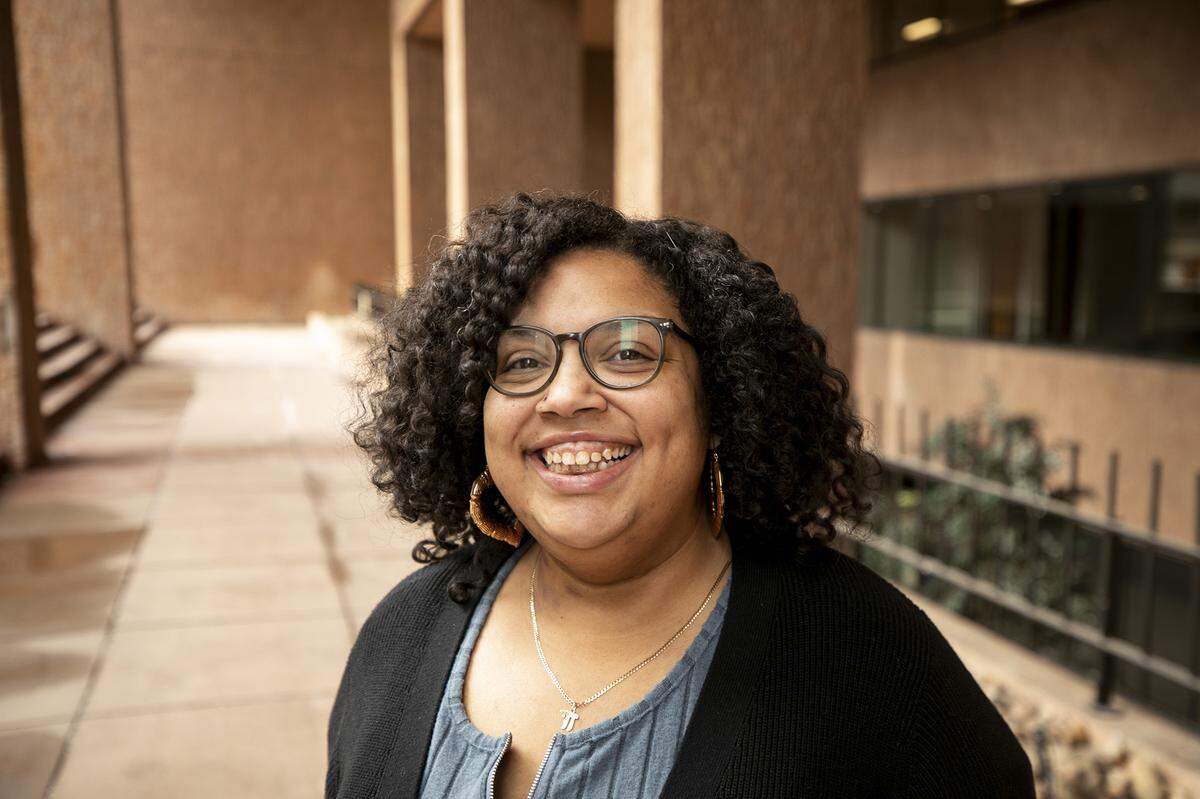
Fast-growing Cabarrus County has a housing problem. Can this loan program help?
Building affordable housing in Cabarrus County may become easier thanks to a new loan program.
The “Revolving Construction Loan Gap Fund” is a recently launched funding mechanism that’ll provide nonprofits and other community groups with the last few dollars needed to build affordable and workforce housing in the county.
The program is being spearheaded by WeBuild Concord, a housing nonprofit.
With rising construction costs and a lack of affordable housing in the county, the fund is much-needed, according to nonprofit CEO Patrick Graham.
“We’ve had so much conversation about how we help people getting into housing but we don’t talk about one of the major issues which is land and construction cost,” Graham said. “This revolving fund won’t cover the full cost of the project but it’ll allow organizations to proceed with construction at a flat interest rate.”
Housing needs in Concord and Cabarrus
Almost 245,000 people call Cabarrus County home and about 46% of the county lives in Concord, according to census data.
Concord’s seen an almost 7% increase in population between 2020 and last year, the second-highest jump behind Charlotte. More than 112,300 people call the area home.
And that’s expected to increase. Between 2024 and 2029, Cabarrus is projected to be among the top 10 counties in the state for several population growth categories, according to a housing supply gap analysis ordered by the NC Chamber Foundation. Those categories include counties with the highest population (ranked 9th), highest percent growth (ranked 9th) and highest population density (ranked 7th) to name a few.
And housing won’t keep up, Graham said.
The analysis found Cabarrus will have an estimated housing supply gap of more than 15,300 homes both for sale and rent.
Looking at the breakdown by income, there’s a gap of 1,267 homes for sale and 2,691 rentals for people making 80% of the area median income or less. For a family of four, that’s an income level below $89,750. Those in the 80% AMI range or below typically qualify for affordable housing.
The county’s median household income is about $86,084.
Affordability is an issue across Cabarrus County. About 27% of the county’s 20,341 homes are considered cost-burdened, according to the North Carolina Housing Coalition. Being cost-burdened means a family pays more than 30% of their income toward housing.
Funding affordable housing
In 2021, the city of Concord approved the allocation of 1% of its property tax revenue to affordable housing.
In the approved 2026 fiscal year budget, about $1.8 million is being set aside for affordable housing.
Now, there’s also the “Revolving Construction Loan Gap Fund.”
Nonprofits and social ventures can apply for the loan through WeBuild. The loans are short-term and low-interest, with the rate sitting between 1% to 3%, Graham said. Typically, those rates are between 5% to 8%.
Cabbarus County provided $2 million in seed funding, and the hope is the fund will grow through the interest repayments, government grants and private dollars and donations.
One of the unique aspects of the loan, Graham said, is approval doesn’t come solely from a financial institution.
Decisions will be made by the Permanent Housing Committee of Cabarrus, which is made of nonprofits, housing developers, community members and lenders. F&M Bank will provide the committee with technical support.
Graham said this gives smaller nonprofits a chance to receive funding when banks may not want to take a chance on them.
The goal is to provide that last few dollars a project needs to move forward with construction, Graham said.
What’s next for WeBuild Concord?
In January, WeBuild opened the Lincoln Street Townhome project in the Logan neighborhood of Concord. It’s a 26-unit development with 26 for-sale and lease-to-own townhomes.
There are more projects underway.
The nonprofit purchased the historic Kerr Street Baptist Church in 2023 and is turning it into a mixed-income project that will include a community conference space and an incubator space for local artists.
Construction has already begun, Graham said. And the nonprofit is working on a tiny home village in downtown Concord.