Wells Fargo CEO: More job cuts coming at the bank, as AI prompts ‘efficiency’
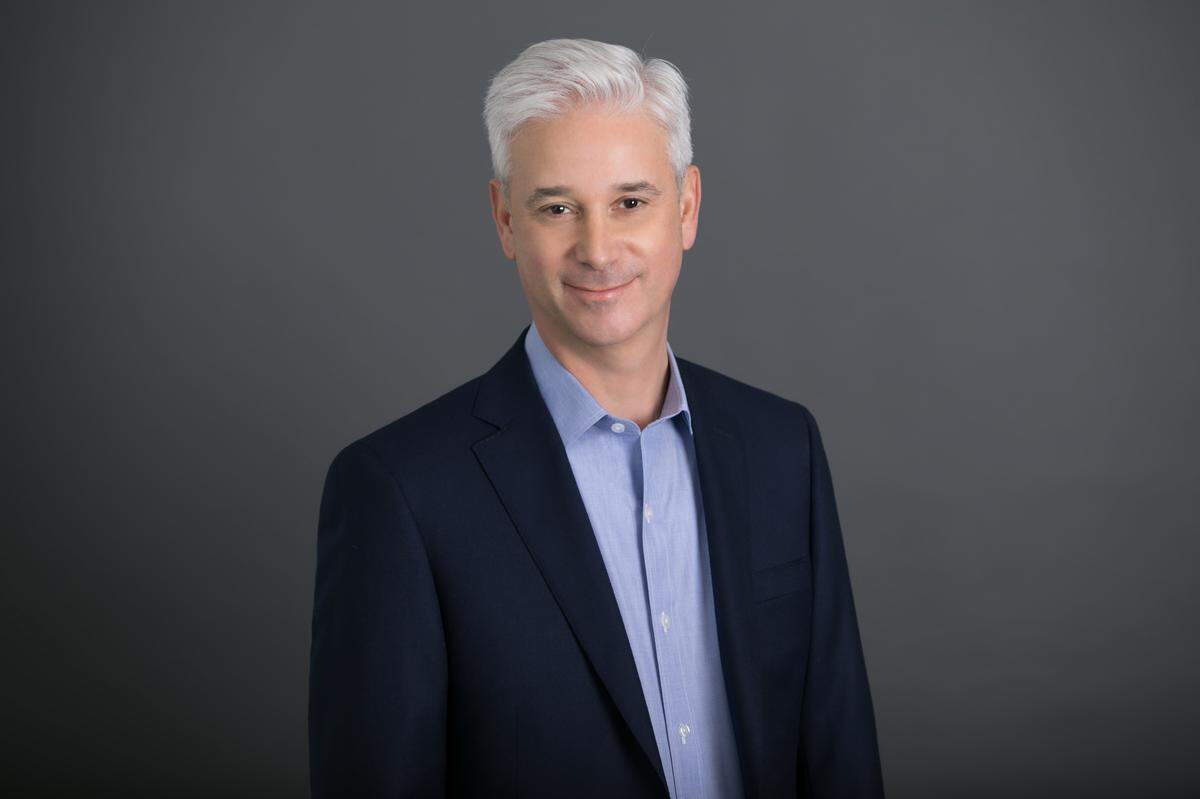
Wells Fargo expects more job cuts and higher severance costs in this quarter that ends in three weeks, bank CEO and President Charlie Scharf said Tuesday at an investors conference in New York.
He’s also betting on artificial intelligence to drive efficiency and, eventually, further workforce reduction.
“As we’ve gone through the budgeting process, and even pre AI, we do expect to have less people as we go into next year,” Scharf said at the Goldman Sachs Financial Services Conference in New York City. “We’ll likely have more severance in the fourth quarter.”
The fourth quarter runs Oct. 1 through Dec. 31 for the San Francisco-basaed bank.
Wells Fargo already has shrunk from 275,000 employees to about 210,000 since Scharf joined the bank in 2019 — about a 24% decrease. Its largest employee base remains in Charlotte, with about 27,000 workers.
Wells Fargo has had other layoffs this year. In August, Wells Fargo slashed 194 jobs in Winston-Salem. The layoffs affected chief operating office global operations in the city, as well as consumer lending, corporate risk and technology units.
Wells Fargo officials declined to comment about how the layoffs could impact the Charlotte workforce.
Wells Fargo’s future with AI
Scharf laid out a vision for a leaner bank powered by new technology, acknowledging a reality that others are “afraid to say.”
“We’re going to have lower headcount in the future,” Scharf said.
He was clear that AI will not “totally replace humans” but will allow the company to operate with fewer people. AI is expected to create “significant efficiency improvements” across numerous departments, from compliance and legal to call centers and investment and commercial banking.
“These are all opportunities to do things much, much more efficiently with AI that humans have been doing,” Scharf said.
The rollout of generative AI tools has already led to a 30% to 35% increase in code-writing efficiency for the bank. “We’ve not reduced the number of people we have coding today,” Scharf said, “but we’re getting a lot more done. That’s really significant.”
Since federal regulators lifted Wells Fargo’s $1.95 trillion asset cap six months ago, the roughly $2.5 billion more that the bank spent annually for regulatory work can go toward other investments, including AI. The bank’s punishment was for its widespread sales account scandal exposed in 2016.
Last month, Scharf told The Charlotte Observer during an exclusive interview that everyone at the bank needs to be trained on AI at any level. “We continue to have opportunities to drive efficiency which will allow us to increase the level of investment,” he said.
Truist at the Goldman Sachs conference
Charlotte-based Truist also addressed the conference. CEO Bill Rogers, speaking after Scharf, called AI a “propellant,” not just for efficiency. He said the bank has added employees in this area “to take us to the next level.
“That’s also a huge revenue play in terms of the opportunities,” Rogers said. “All of our leaders have a strategy to deploy AI to help achieve their strategic objectives.”
Rogers did not mention cuts to Truist’s workforce. Truist has about 40,000 employees companywide and more than 3,000 workers locally.
This story was originally published December 10, 2025 at 9:13 AM.