As Charlotte region’s population skyrockets, an unlikely source helps fuel growth
The county that’s growing fastest within the Charlotte metro region isn’t one that people always associate with the city of Charlotte itself. It’s in a different state, and there isn’t even a city or town in its most populated area.
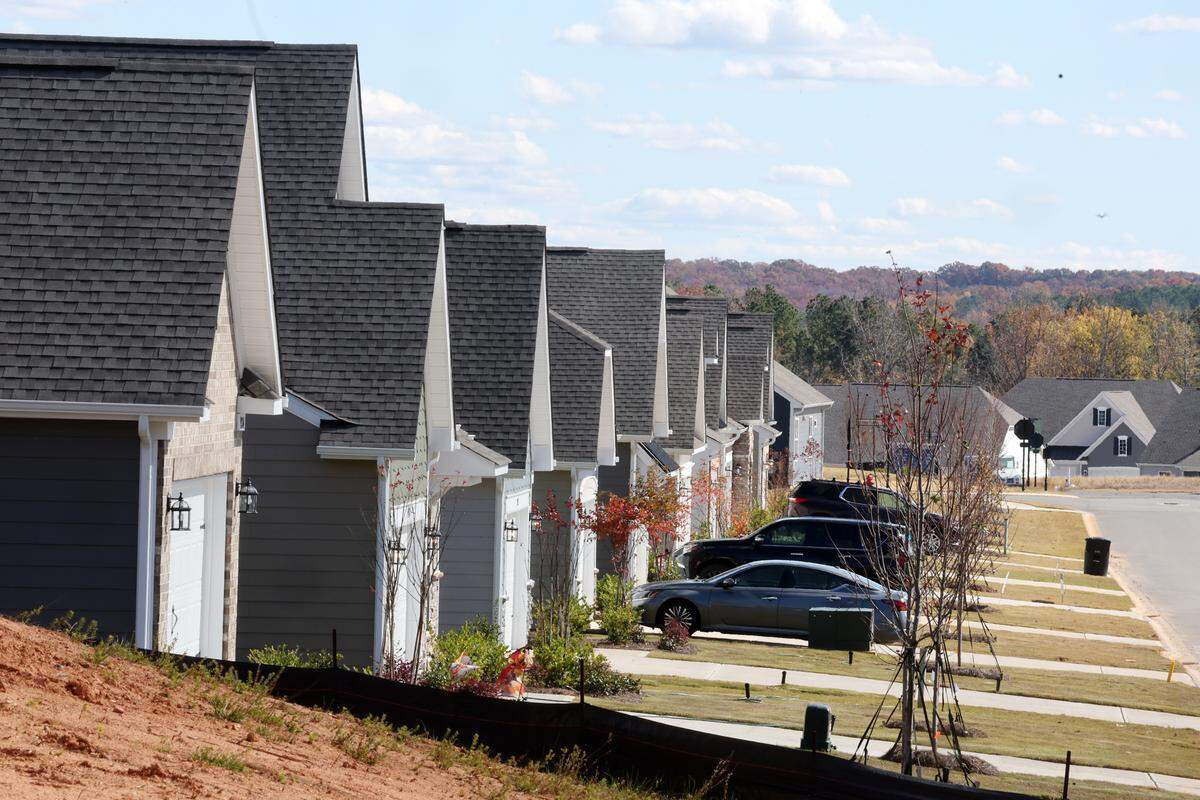
But drive along Charlotte Highway in Lancaster County, where new Costco and Target stores recently popped up alongside massive Indian Land subdivisions, and it’s clear there are more people here than ever.
Lancaster County grew by 19% in the past five years, according to new U.S. Census Bureau population estimates released Thursday for 2020 to 2025. That’s easily the highest figure among the 11 counties in the Charlotte metro region. Lancaster County has an estimated 114,296 residents.
Lancaster is one of several mid-sized counties in the Charlotte metro area that are leading the growth surge.
Lincoln County is No. 2 at 13.7% growth rate in five years. Iredell County is close behind in third, at 13.5%. Union (12.4%), Cabarrus (10.6%) and Mecklenburg (10.6%) come next. Overall, the region now has 2.9 million people.
Lancaster County Councilman Brian Carnes, who represents the high-growth Indian Land area, isn’t surprised by the latest ranking.
“It obviously is something that’s not happened overnight,” he said. “ It’s been growing for a while.”

Charlotte metro counties vs. the Carolinas
Growth in the Charlotte region follows a broader trend across the Carolinas.
Five-year and single-year growth rankings in the new census data are littered at the top with communities across the Carolinas, big and small.
Lancaster County’s growth rate ranks No. 4 in South Carolina behind the coastal counties of Jasper, Horry and Berkeley. Jasper County’s 33.7% growth in five years includes the highest single-year growth rate in the nation last year (6%) among counties with more than 20,000 residents.
York County grew by 8.9% in five years, just above the statewide 8.8% rate. That’s No. 11 in South Carolina in that span. With an estimated 306,887 residents, York is the second-biggest county in the Charlotte metro area behind Mecklenburg County. Mecklenburg has an estimated 1.2 million residents.
On the North Carolina side, Lincoln County ranks No. 6 statewide for five-year growth.
Iredell County is No. 7. Union County is tied for No. 8, followed by Cabarrus and Mecklenburg (tied at No. 14). The North Carolina counties that grew the most were Brunswick (27.8%), Pender (19.8%), Franklin (19.5%), Johnston (18.7%) and Currituck (18%). Statewide, North Carolina saw 7.2% growth.
These numbers were expected, said Michael Cline, North Carolina’s state demographer with the Office of State Budget and Management.
“North Carolina’s growth is in that corridor of Charlotte, through the Triad and the Triangle,” Cline said. “In addition to the urban driven growth, those counties around Charlotte have recreational communities which are an attractive amenity.”
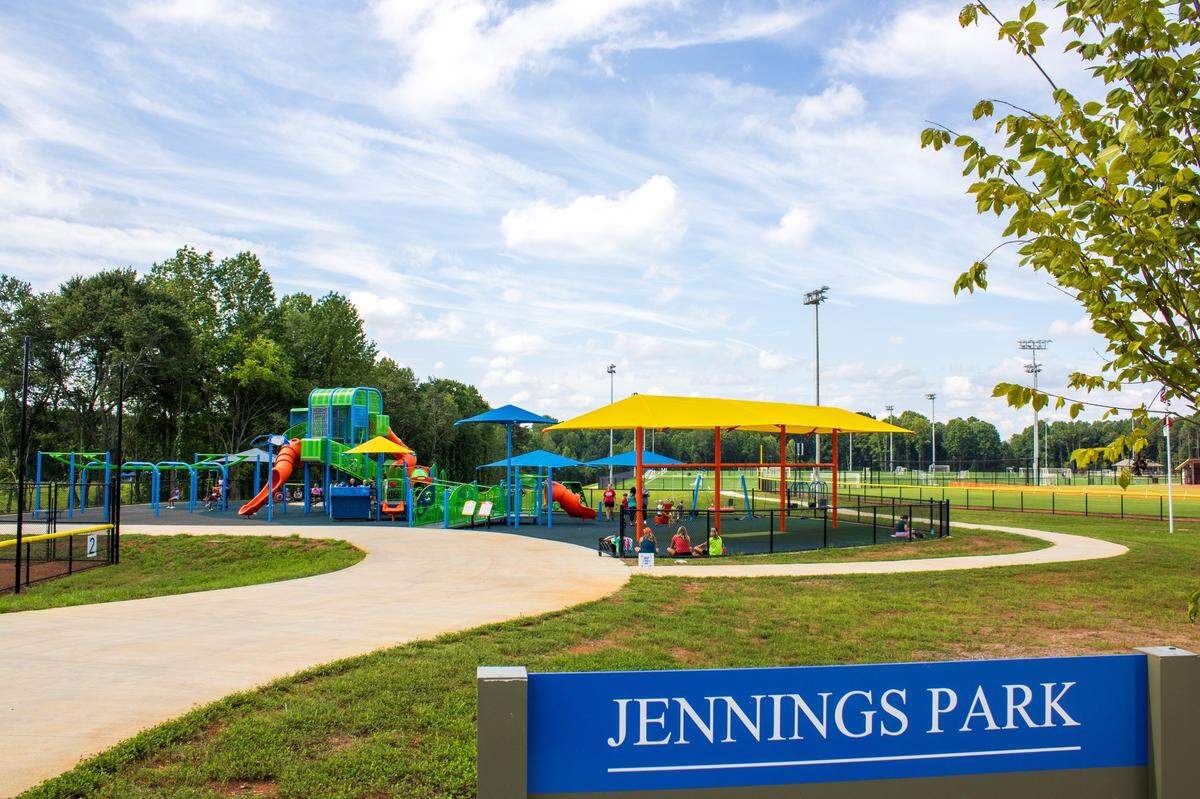
But with growth, some of the main pain points are traffic and infrastructure, according to Cline.
On the opposite side, losing population wouldn’t be a good thing either. In the counties surrounding Mecklenburg, rural Anson County saw a 300-person-drop, or a -1.4% growth rate between 2020 and last year. Anson is the only metro area county that saw a population decrease in five years, at -1.4%.
The largest metro area counties behind Mecklenburg and York counties are Union (267,674 residents), Cabarrus (249,725), Gaston (246,558), Iredell (211,798), Rowan (155,096) and Lancaster.
Smaller counties that factor into metro area rankings include Lincoln (98,654), Chester (33,001) and Anson (21,758).
Single-year growth rates climb around Charlotte
One Charlotte-area county that could knock Lancaster off its perch is Iredell. Third in growth from 2020 to 2025, Iredell County pulled just ahead of Lancaster County for the highest single-year growth rate.
From mid-2024 to mid-2025, Iredell County grew by 2.8%. Lancaster County was next at 2.7%, followed by Mecklenburg County at 2.2%.
Mecklenburg grew by the most residents in that span, at 26,554. Iredell County was No. 2 with 5,679 more residents. York County, whose 1.4% growth rate matched neighboring Chester County, added the third most total residents at 4,126.
But if Iredell or any other county plans to keep up with Lancaster County, it won’t be easy.
As the Indian Land panhandle continues to fill in, transitioning once rural farmland into a bustling community, more new homes than ever are being approved in the middle and southern parts of the county.
That trend is likely to continue, Carnes said. Traffic and school pressures brought on by growth concern people in the panhandle. Thousands more homes are expected near the city of Lancaster, between projects approved by the city or county.
“We need to shift growth away from panhandle, move it to middle and south of county where it’s more welcomed,” Carnes said.