
Rock Hill schools weigh in on Octapharma funding spat jeopardizing 1,500-jobs deal
School officials in Rock Hill are asking elected leaders in the city to approve the controversial deal to bring Octapharma, with its 1,500 jobs and $1.5 billion investment, to the area.
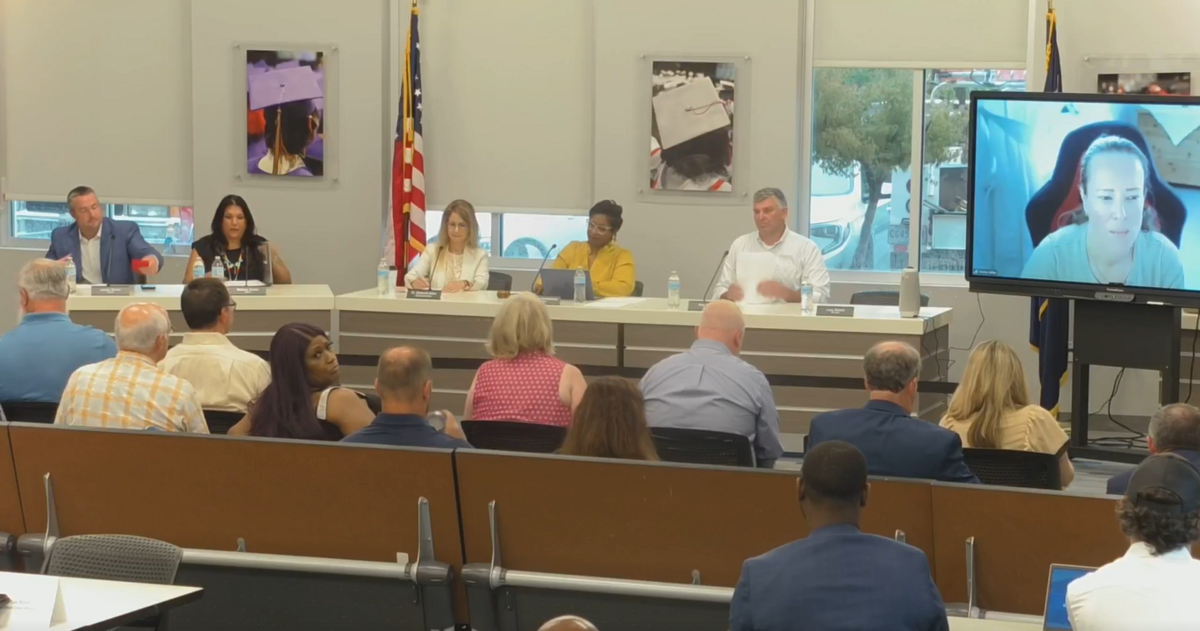
The Rock Hill School District called a special meeting for Monday morning, where the school board voted 5-2 requesting that the city approve a tax incentive agreement for the Swiss biomedical company in line with what York County Council approved last week.
The contentious agreement has been publicly scrutinized after York County reallocated how revenue paid by Octapharma in the deal would be distributed among the city, county and school district. The county version last week would cost Rock Hill nearly $43 million over 30 years, compared to the initial version of the agreement.
That $43 million would instead go to schools.
The York County vote last week also would send more than $40 million of county money intended for economic development over the coming 40 years to the school district instead, to pay for capital costs.
Rock Hill had approved the incentive deal for Octapharma prior to last week’s funding changes. That approval was contingent on revenue distribution from the initial model. The city would have to vote again to approve the revised plan.
Octapharma creates medicine from plasma donations. The Rock Hill project would create a U.S. headquarters for the company in Palmetto Research Park, off Exit 81 of Interstate 77.
Octapharma would take 50 acres of the more than 200-acre site once intended for the Carolina Panthers to have their headquarters and practice facility. That deal fell through four years ago amid a disagreement between the city and town on public funding requirements.
Rock Hill doesn’t have a meeting scheduled to vote on the Octapharma incentive. York County Council made its incentive deal approval effective on July 21 to give the city time to make a decision.
Payback time for Rock Hill schools?
School board members recognize the tax allocation shift last week isn’t palatable for the city. But, they say, it’s similar to what the city has asked schools to do for decades.
Rock Hill schools have foregone about $150 million in tax revenue in the past 40 years through incentives to support downtown redevelopment, and they’re projected to lose at least $3 million more annually through 2039, said school board member Melissa Harris.
Meanwhile, the school district receives less state money due to fee agreements or downtown tax districts that allow large companies to pay less than they otherwise would in taxes.
“The state sees that we are voluntarily not collecting taxes from downtown Rock Hill, so it gives us less money than the district would otherwise be entitled to,” said school board member Pete Nosal.
Through tax incentive agreements, the city needed help from schools to turn dilapidated downtown buildings into new business, he said. Today, the thriving University Center area and downtown corridor is a mix of new businesses, restaurants, recreation and apartments. Now, school board members say, the city can return the favor.
The school district faces about $300 million in capital needs in the next decade, with 58% of its schools more than 50 years old.
“The county recognized these challenges and voted to invest in the future of our students,” Harris said.
By approving the Octapharma deal, the city could provide decades of needed capital funding for schools. “Partnership really means recognizing each other’s needs,” said school board Chairwoman Helena Miller.

Did school district help negotiate county Octapharma deal?
School board members and school officials pushed back Monday on public questions on their role in the late funding changes for Octapharma.
As of Monday morning, the school district hadn’t been approached by the city or county in any official capacity regarding Octapharma, said Miller and school Superintendent Deborah Elder. There hadn’t been phone calls, emails or other communications. They did acknowledge individual conversations among elected officials.
School board member Montrio Belton knew nothing about Octapharma or an incentive deal prior to a mid-June text from York County Councilman William “Bump” Roddey, Belton said. Belton asked Roddey if he’d reached out to the school board chair but didn’t negotiate anything, Belton said.
“This notion that the school board, somehow in its official capacity, was negotiating with county council or city council behind the scenes is just patently not true,” he said.
Concern that Octapharma deal erodes public trust
Board members Jennifer Hutchinson and Lacy Daniel voted against Monday’s resolution asking Rock Hill to approve what York County agreed to last week. Both shared concerns that late changes to deals erode public trust.
“I don’t think that it’s going to bode well for future relationships,” Hutchinson said. “I don’t think that it is fair that we ask the city to force something to happen if they’re not truly wanting it to happen.”
School funding shouldn’t be used as a bargaining chip, Daniel said.
She and other school board members want a better process where schools are allowed to offer input earlier in negotiations for large economic development projects. Only the county and city get votes, but those votes impact schools.
“The focus should never be on which governing body wins, but the focus should be on whether decisions being made truly serve the people of York County,” Daniel said.

The Octapharma incentive deal dispute created heated discourse that could be avoided, board members say, by more communication on the front end of negotiations.
“Our children are watching,” Miller said. “They see how adults handle disagreement, solve problems and treat one another. They deserve leaders who model civility and respect, (and) integrity, even if we don’t always agree.”
There are also potential financial implications with such a public dispute, mainly if it impacts the company at the center of it. “I’m excited about the opportunity for Octapharma to come to Rock Hill,” Hutchinson said. “I hope that that opportunity has not been lost.”
Octapharma deal to benefit all of York County
Strong schools help Rock Hill, Nosal said, as schools can be a primary attraction for companies looking at an area. The school district also is one of the city’s largest utility customers, paying about $3 million annually for electricity. The city also provides water and sewer.
Likewise, he said, the Octapharma incentive deal is bigger that just Rock Hill schools. With jobs averaging more than $100,000 per year, people will want to come live near them.
“They will leave Charlotte and they will move here,” Nosal said. “They will move to Fort Mill. They’ll move to Rock Hill, they’ll move to York, they’ll move to Clover. It’s going to make all of our school districts better.”
While the city stands to lose considerable funding compared to the initial agreement, school board members are hopeful the city will see enough good in the Octapharma deal to see it through to completion.
“This moment is not about choosing between economic development and education,” Harris said. “We can do both. We can support both.”
This story was originally published July 13, 2026 at 9:15 AM with the headline "Rock Hill schools weigh in on Octapharma funding spat jeopardizing 1,500-jobs deal."