This weekend’s World Cup finals broadcast will have an assist from RTP
AI-generated summary reviewed by our newsroom.
- Lenovo used AI to stabilize referee body‑camera video for World Cup broadcasts.
- Each player scan took about three seconds to create their 3D avatar.
- Lenovo holds naming rights to the Lenovo Center via a 10-year, $60M deal.
Enzo Fernández received a short pass from Lionel Messi, took a touch with his left foot, then rippled England’s net with a 23-yard strike. Among the replays Fox broadcast of Argentina’s dramatic equalizing goal in the FIFA World Cup semifinal Wednesday was footage enhanced by work done in Research Triangle Park.
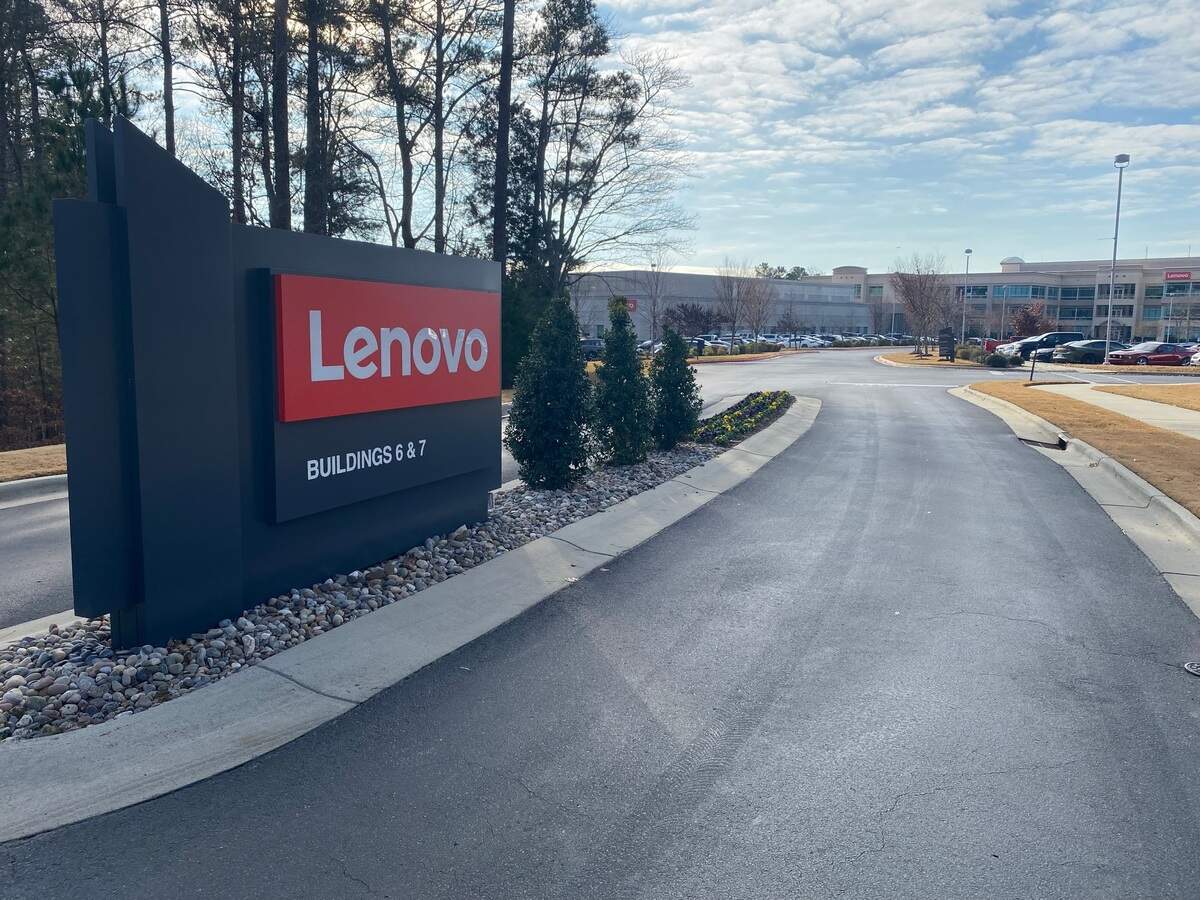
Lenovo, which operates one of its two global headquarters in Morrisville, used artificial intelligence to stabilize video captured by the on-field referee. Throughout this summer’s tournament, which concludes Sunday outside New York City in a match between Argentina and Spain, TV viewers have seen these “Referee Views” with Lenovo’s red and white wordmark displayed right above.
“The whole point was we don’t want to do any marketing sponsorship or logo sponsorship. It needs to be tech-led partnership,” said Asia Sheikh, chief technology officer of sports and entertainment at Lenovo. “We wanted to really bring technology.”
Sheikh lives in the Triangle and said her team is based across the world, including in Spain, India and China (Lenovo’s other headquarters is in Beijing). They engineered an AI system to make referees’ body-camera videos less herky-jerky. In half a minute, the technology steadies the footage by up to 60%; Sheikh said the AI could make the stream completely stable but the international soccer federation FIFA wanted the video to retain some in-game movement.
This isn’t Lenovo’s only World Cup contribution. Before the tournament began, the company scanned all 1,248 players across the 48 participating teams — from backups to some of the world’s most famous people like Messi, Cristiano Ronaldo, Kylian Mbappé and Erling Haaland — to create 3D avatars that get displayed when an offsides check is shown on TV. Each scan took about three seconds to complete, Sheikh said, and was largely done at each team’s training camp.
In addition to creating digital twins of players, Lenovo created replicas of all 16 tournament stadiums across the United States, Canada and Mexico to help organizers manage match day logistics.
Lenovo is the first official technology partner FIFA has had in World Cup history. The company also owns the naming-rights to the Lenovo Center in Raleigh through a 10-year, $60 million agreement with the arena’s governing body, Centennial Authority.
As of February 2024, Lenovo said it employed roughly 5,100 workers in the U.S., with its largest office in North Carolina.
This story was originally published July 17, 2026 at 6:30 AM with the headline "This weekend’s World Cup finals broadcast will have an assist from RTP."