Charlotte’s historic Excelsior Club has been demolished. Here’s what to know
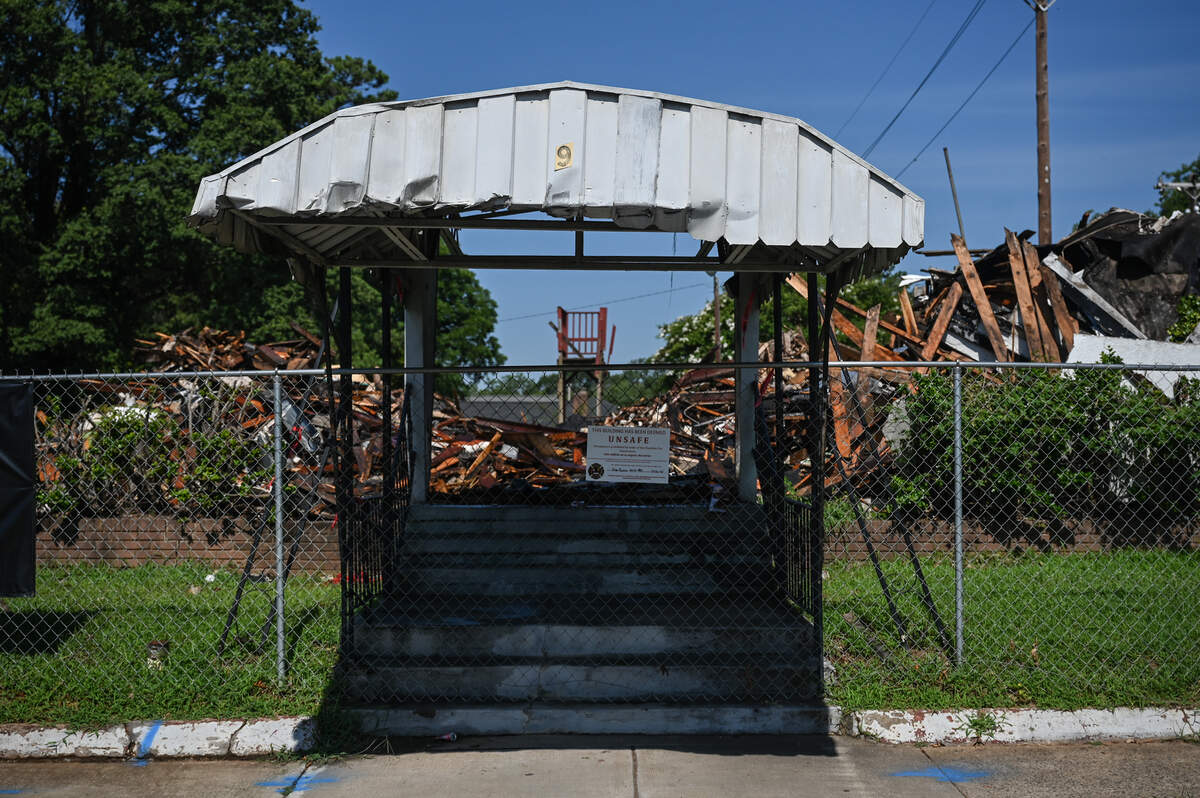
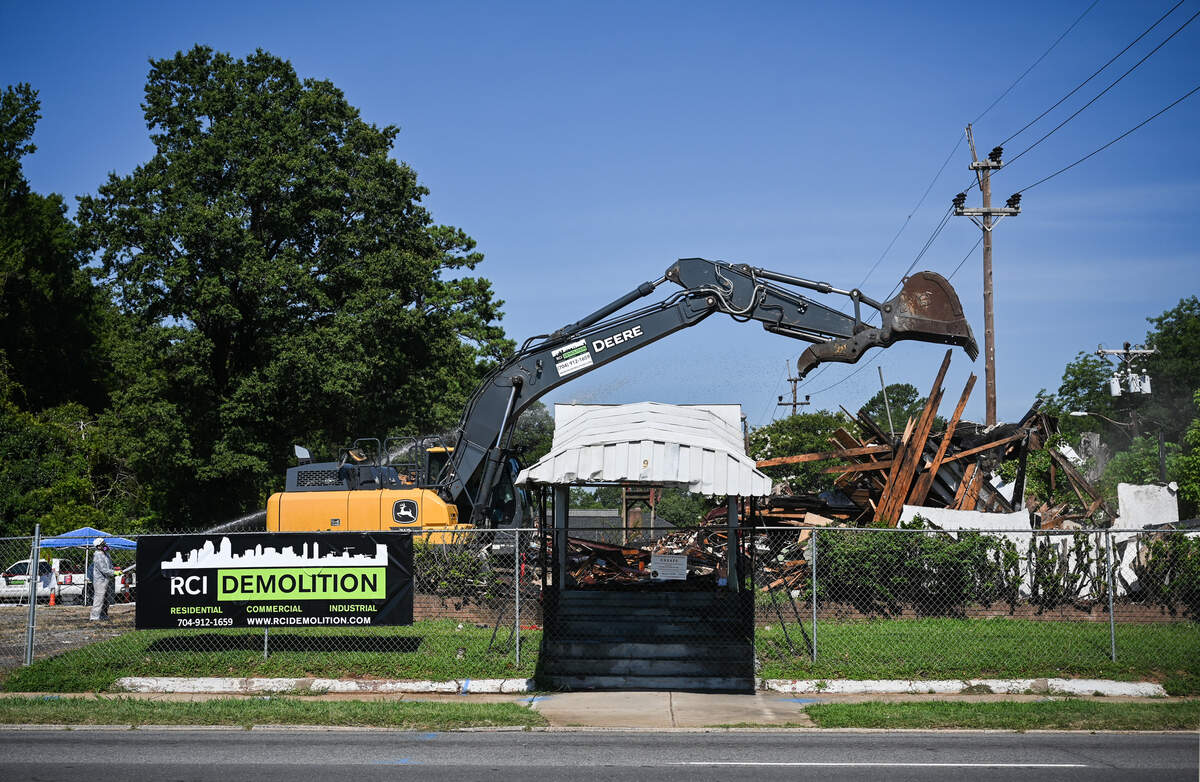
The historic Excelsior Club, once the beating heart of Black Charlotte’s social and political life, came down this week after sitting vacant and decaying for a decade. Demolition of the Beatties Ford Road landmark began Wednesday, and by Thursday morning only the building’s iconic awning remained standing above the rubble.
The demolition ends a years-long debate over whether the century-old structure could be saved and clears the way for an $8.3 million redevelopment intended to bring live music, dining and community gathering space back to the Beatties Ford corridor.
For a city that regularly wrestles with what to preserve as it grows, the fall of the Excelsior is more than a construction milestone. Here’s what to know.
Why the Excelsior Club mattered in Charlotte
Founded in 1944 by Jimmie and Minnie McKee, the Excelsior Club was Charlotte’s first nightclub exclusively for the Black community.
During Jim Crow, it was a private club designed to give Black Charlotteans the kind of country-club atmosphere the city’s white establishments refused to offer them. It was listed in “The Negro Motorist Green Book” from 1963 to 1967 as a safe haven for Black travelers passing through the segregated South.
Over the decades, the club hosted legendary musicians barred from white venues, including Louis Armstrong, Nat King Cole and James Brown.
Politicians courted votes there. Harvey Gantt, elected Charlotte’s first Black mayor in 1983, has credited fundraisers at the Excelsior with helping propel both his City Council and mayoral wins. Former President Bill Clinton stumped there.
On Jan. 20, 2009, the club was packed as the community gathered to watch Barack Obama take the oath as the first Black U.S. president on a wide-screen inside the club.
It was also a gathering place for weddings, family reunions, Tuesday fish fries and the weekly Dirty Thirty Thursday dance party. The Excelsior closed in 2016 as business declined and never reopened.
.jpg "UNC Atkins (1).jpg")
What’s replacing the old Excelsior Club, and when
Owner Kenwood Investments filed plans to raze the building at 921 Beatties Ford Road on June 18. Because the site is a designated historic landmark, the request had to undergo a mandatory zoning inspection to ensure the demolition met local preservation guidelines.
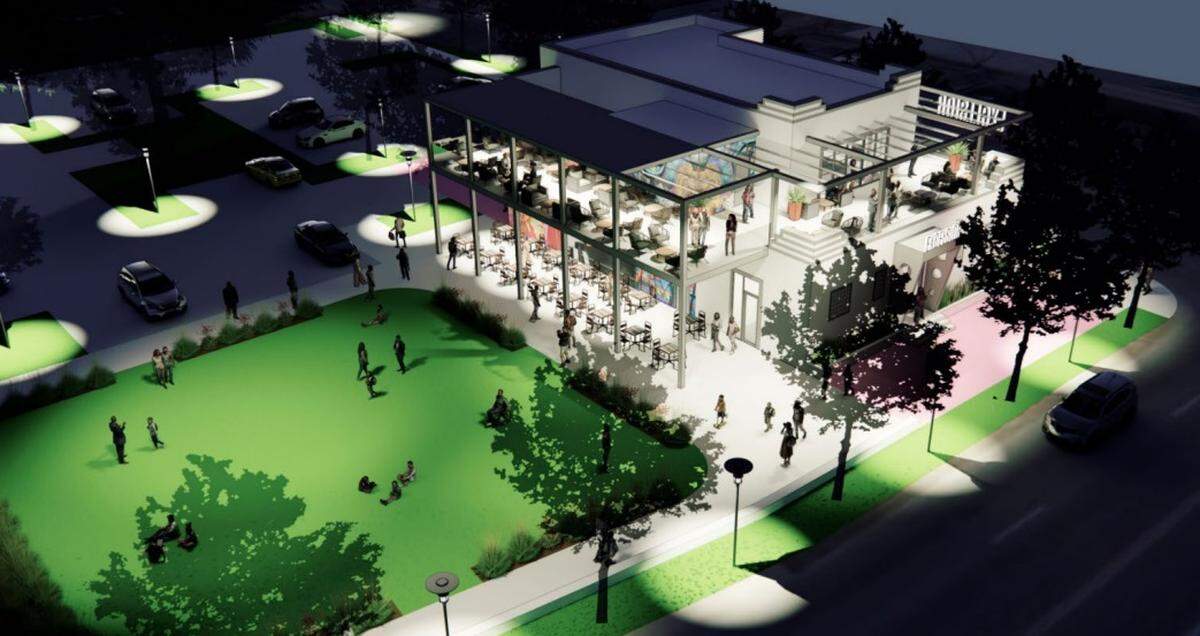
Developer Shawn Kennedy of Kennedy Properties & Development, who gained control of the site just over a year ago, plans to build a near-replica of the original structure in the same footprint.
His partnership with Tim Sittema of Crosland Southeast intends to reopen the club in early 2028 as what Kennedy has described as a “lighthouse on Beatties Ford Road.”
The new Excelsior Club will feature a restaurant, rooftop seating and live entertainment. In a nod to the club’s community roots, it will also offer free meeting space for local nonprofits, West Charlotte High School and Johnson C. Smith University.
How the Excelsior Club project is being paid for
The project is backed by $3 million in public funding, split evenly between the city of Charlotte and Mecklenburg County. The developers are contributing $2.3 million for the restaurant operations. Kennedy said last month that while most of the capital is secured, a $300,000 funding gap remains.
That’s a notable public investment in a corridor that has historically seen far less development capital than uptown or SouthPark, and a signal that city and county leaders view the Excelsior’s revival as tied to the West End’s broader future.
Why preservationists fought Excelsior Club’s demolition
The decision to tear the building down has sparked sharp tension with local historians.
Engineering assessments deemed the century-old structure unsalvageable, Kennedy has said, citing a collapsing roof and significant structural failure. But organizations including the Charlotte Museum of History argued for adaptive reuse instead.
The museum had pitched a $20 million to $25 million project that would have restored the existing two-story structure and added a connecting Black History Center focused on regional history. Museum CEO Terri White framed the fight as part of a bigger pattern.
“I will ask Charlotte when is enough enough? We bemoan the loss of our local history, yet it seems every few months something else gets torn down,” White said. “We must decide if we truly want to save the scraps of historic architecture we have left.
“You can’t cheer projects like the (refurbished) Carolina Theatre and not see the direct correlation between history and the soul of a community. When you see firsthand how amazing adaptive reuse and historic preservation can be, why allow everything to get bulldozed?”
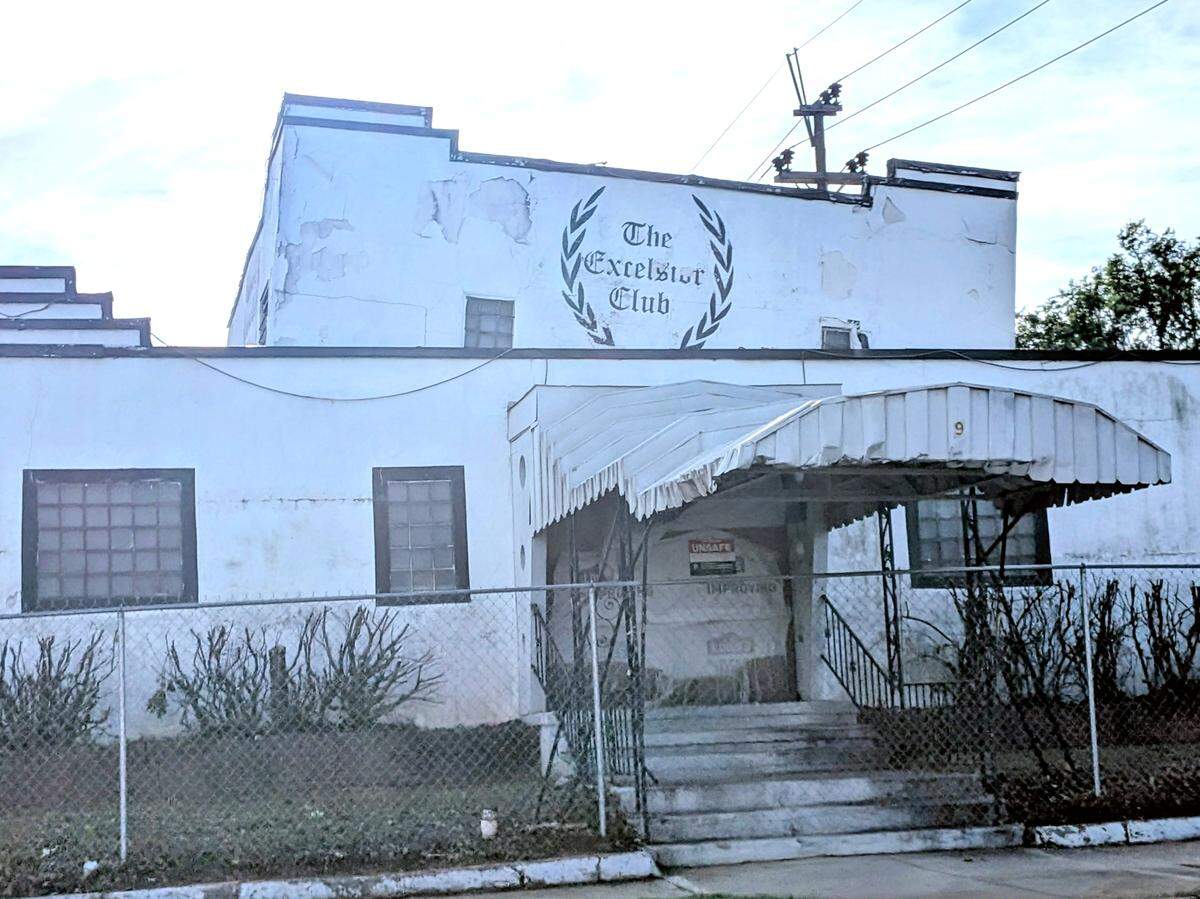
Architecturally, the Excelsior was one of the last remaining Art Moderne-style structures in Charlotte.
Former owner Ken Koontz, who co-owned the club from 1984 to 1987, has endorsed the redevelopment, describing it as a “bold” and “right” direction for the property’s future.
How previous plans fell through
The site’s path to demolition wasn’t direct.
After the Excelsior was added in 2019 to the National Trust for Historic Preservation’s list of 11 most endangered historic places, Darius Anderson of California-based Kenwood Investments purchased it for $1.35 million. Kenwood received $250,000 in early funding from the city, county, Foundation for the Carolinas and Knight Foundation.
But Kenwood’s proposal for a boutique hotel, music venue and museum floundered in 2024.
To honor the old club’s legacy, Kennedy held a “Celebration of Life” event in May at nearby First Baptist Church-West, giving the community a chance to reflect on what was about to be lost.
The bigger question for Charlotte
The Excelsior’s demolition lands at a moment when Charlotte is repeatedly asking itself which pieces of its past will survive its growth.
White’s question — “when is enough enough?” — echoes debates over the Brooklyn neighborhood, over uptown redevelopment and over what a fast-growing Sun Belt city owes to the communities that built it.
The former Excelsior stood for eight decades as a place where Black Charlotte gathered when few other places would have them. Whether its near-replica successor can carry that weight, and whether it will feel like the same lighthouse on Beatties Ford Road, is a question the city will be watching closely.
This report was produced with the assistance of a proprietary tool powered by artificial intelligence and using our own originally reported, written and published content. It was reviewed and edited by our journalists. To learn more about how The Charlotte Observer is using AI in our newsroom, see our policy here
This story was originally published July 17, 2026 at 5:08 AM with the headline "Charlotte’s historic Excelsior Club has been demolished. Here’s what to know."