
Threats, costumes, ridicule: Feds detail scope of Wells Fargo sales scandal
Since Wells Fargo’s fake-accounts practice was widely exposed in 2016, the bank had tried to minimize the scandal and move past it.
Yes, they’d opened millions of fake bank accounts that people didn’t ask for, but there wasn’t a problem with the bank’s culture, leadership said at the time. What few problems Wells Fargo did have were fixed, they said, and the bank unveiled an inescapable ad campaign that touted the bank’s cultural “re-establishment” in 2018.
Two weeks ago, federal regulators said most of that was a misrepresentation.
The Office of the Comptroller of the Currency, Wells Fargo’s federal regulator, filed charges against or settled with eight former Wells Fargo executives, and laid out one of the most scathing accounts of the sales misconduct to date.
For instance, management warned employees that if they didn’t meet their goals, they would be “transferred to a store where someone had been shot and killed,” regulators said.
Former CEO John Stumpf, once America’s highest paid banker, was banned from the industry and fined $17.5 million by the OCC. Carrie Tolstedt, the former head of Wells Fargo’s consumer bank, is facing a $25 million fine and an industry ban, pending administrative proceedings. Some executives plan to fight the charges, while others settled.
When the former executives were charged, the OCC documented its evidence in a 100-page notice of charges. Using internal documents and sworn testimony from the officials, the OCC found that the scope of the misconduct was far larger than anyone, including Wells Fargo leadership, had been led to believe.
It did not involve thousands of Wells Fargo employees, but hundreds of thousands, according to the OCC.
The charges provided a window into why regulators have taken unprecedented steps to try to reign the bank in.
The OCC painted an image of a bank whose consumer banking culture went off the rails. The culture was punishing, sham practices were rampant and the systems that Wells Fargo set up to catch wrongdoing caught pretty much none of it, the OCC said.
Unreasonable goals
There was a clear culture problem at Wells Fargo.
Employees in the consumer bank — the kinds that you see in a branch working with customers — were given sales goals that management knew weren’t reasonable, regulators said. And if you didn’t reach those goals, by not signing up enough people for a credit card, for example, you were threatened with firing or actually fired. It was, regulators said, a culture of hazing and intimidation.
For instance:
▪ Even if employees met their goals, they could be reprimanded for not beating their goals by enough.
▪ One banker was “counseled” for only making 110% of their goal, according to a 2009 email from an investigations manager which was cited in the OCC’s charges. In a separate instance mentioned in the email, a manager was getting ready to fire a banker for only hitting 105% of the goal.
▪ In a practice known as the “gauntlet,” managers ran through rows of their peers and announced their area’s sales performance, ridiculing poor performers.
▪ One Los Angeles executive had managers dress up in costume for this, according to a report produced on the scandal by Wells Fargo’s board.
Bankers also spoke of the incredible pressure on them.
In 2013, an employee, unnamed in the OCC report, wrote to the CEO’s office that “I had less stress in the 1991 Gulf War than working for Wells Fargo.”
And in 2016, Angie Payden, a Wells Fargo banker in Wisconsin from 2011 to 2014, told The New York Times the extreme pressure to sell products led her to drink hand sanitizer to cope, and that she suffers from post-traumatic stress disorder.
Turnover at Wells’ consumer bank was about 35% annually, regulators said. To justify this level, which is high for a bank, regulators said Tolstedt and her team compared themselves to companies like Macy’s and Target instead of other banks.
Unwanted debit cards
In 2016, Wells Fargo’s CFO, John Shrewsberry, said “the people we’re talking about here weren’t high performers... It was people trying to meet minimum goals to hang onto their job.” The OCC’s report disagreed: cheating was widespread.
In total, over 14 years, the OCC estimates that hundreds of thousands of Wells Fargo employees did some form of sham sales, like issuing an unwanted debit card. In December 2015, the bank had 12 million accounts that hadn’t been active for a year, regulators said, and 7 million inactive debit cards.
The San Francisco-based bank has 260,000 employees, including 27,000 in the Charlotte area, its biggest employment hub.
No customers were off limits, regulators found. In 2012, the wife of a former top executive got two debit cards in the mail she didn’t ask for.
The former executive brought it up with Tolstedt, then head of the consumer bank, who later asked the executive to stop talking about the debit cards “because she thought it reflected poorly on the Community Bank,” the OCC said.
Few workers investigated
Every major U.S. bank has complex systems to catch rulebreakers. Yet, in Wells Fargo’s case, regulators said those systems were set up to intentionally catch a small fraction of the rulebreakers. Management could then say that it was policing misconduct.
When issuing its first mea culpas for the sales practices in 2016, the bank said it had fired 5,300 employees.
But regulators said 30,000 employees per month in 2014 exhibited activity that was a red flag for a type of misconduct known as simulated funding, where workers moved money from account to account without a customer’s consent to make it look like they had made a deposit.
Due to the way the bank detected misconduct, only three workers were investigated a month on average. In 2015, the bank expanded its investigation criteria: Wells Fargo was now looking at about 15 to 18 employees per month.
Simulated funding was just one type of sales misconduct at the bank. The full scope of sales misconduct was far greater.
Stumpf minimized problems
The OCC report shows that misconduct was commonplace in the consumer bank, not an aberration of a few desperate employees. But Wells Fargo officials repeatedly tried to minimize the scale of sales misconduct and demonstrate how the bank had gotten back on track.
“There was no incentive to do bad things,” Stumpf, the CEO, told the Wall Street Journal in 2016. “The 1% that did it wrong, who we fired, terminated, in no way reflects our culture nor reflects the great work the other vast majority of the people do … that’s a false narrative.”
Instead of intentionally misleading the public, Wells Fargo senior management likely just didn’t get how much the bank needed to change at the time, according to Brian Kleinhanzl, a banking analyst for the New York investment bank Keefe, Bruyette & Woods.
“I don’t think that they were trying to sugarcoat it for investors,” Kleinhanzl said in an interview. “They did not realize the breadth and depth of the changes that were required.”
When Tolstedt retired in 2016, as knowledge of the sales scandal was spreading, Wells Fargo issued a laudatory press release, in which then-CEO Stumpf said “Tolstedt has been one of our most valuable Wells Fargo leaders, a standard-bearer of our culture, a champion for our customers, and a role model for responsible, principled and inclusive leadership.”
While most executives answered the OCC’s questions in sworn testimony, Tolstedt, who is fighting her charges, declined to answer all “substantive” questions that the OCC posed to her, as did a deputy.
In 2017, after an investigation into the misconduct initiated by the company’s board, Wells Fargo clawed back millions in compensation from Tolstedt and Stumpf.
A public rebuke
Over time, as probes of the bank started to make it clear that misconduct wasn’t just a blip, executives became less laudatory of the bank’s culture. But it was clear that lawmakers, regulators and the public weren’t satisfied.
Still, the bank insisted it had changed.
Then-CEO Tim Sloan testified to Congress in March 2019 that “we have gone above and beyond what is required in disclosing these issues in our public filings, we have worked to remedy these issues, and, most importantly, we have worked to address root causes that allowed them to occur in the first place.”
Lawmakers were skeptical. And in an exceptional move, the OCC publicly rebuked Sloan’s Congressional testimony the same day.
“We continue to be disappointed with (Wells Fargo’s) performance under our consent orders and its inability to execute effective corporate governance and a successful risk management program,” the agency said. Sloan resigned shortly after.
Much of the management from that period is gone now. Shrewsberry, the CFO, is among the last of the bank’s old guard.
The sales goals that got the bank into trouble ended in late 2016. Charlie Scharf, an outsider and acolyte of JPMorgan Chase CEO Jamie Dimon, is now CEO and welcomed the OCC’s findings.
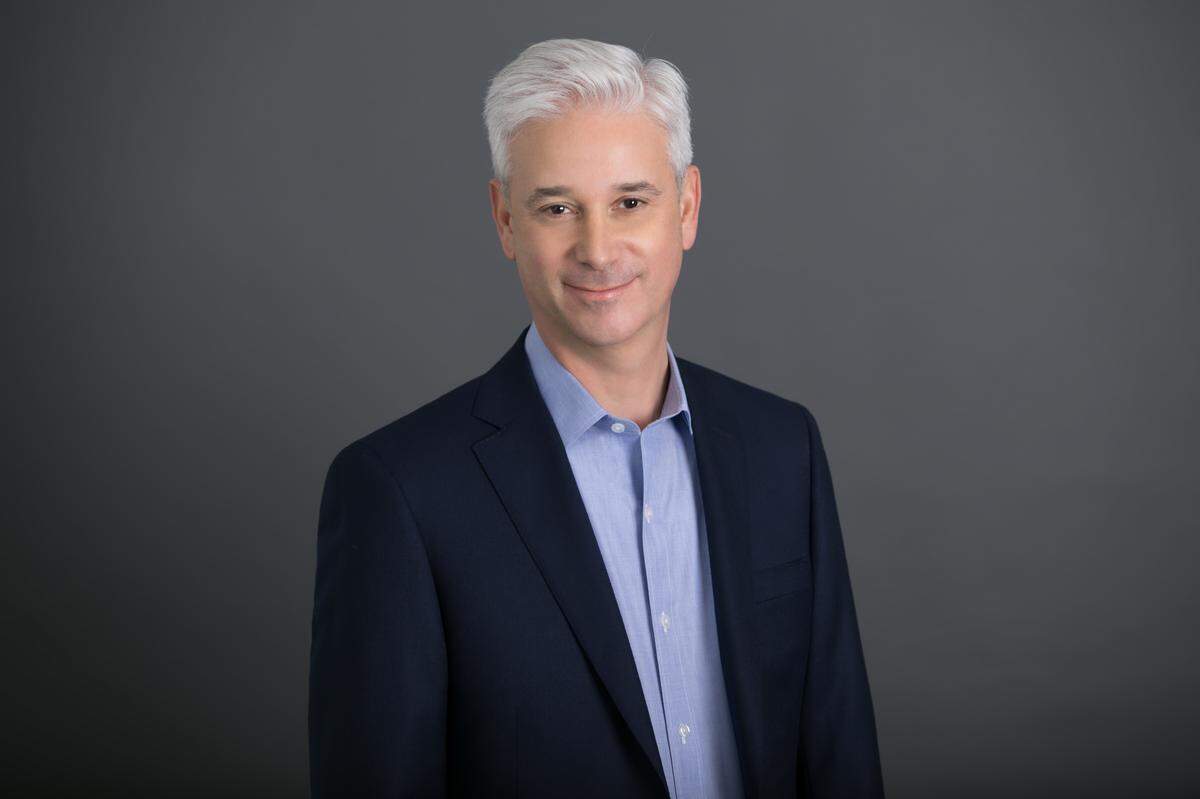
“This was inexcusable. Our customers and you all deserved more from the leadership of this Company,” Scharf wrote in a letter to employees after the charges were released. He said the bank is freezing any remaining compensation for the former executives while it reviews the OCC’s findings.
Wells Fargo declined to comment beyond Scharf’s letter.
The way out
Scharf, who started as CEO in late 2019, declined to give timelines for resolving regulatory issues, unlike his predecessors, and spoke frankly about the scale of the problems. “We made some terrible mistakes, and have not effectively addressed our shortcomings,” Scharf said on his first earnings call as CEO.
In discussing Wells Fargo’s faults, Scharf struck a far more penitent tone than the banks’ 2018 ad campaign, “Re-Established,” which cost hundreds of millions of dollars, according to the OCC. The ads pledged “a complete re-commitment to you,” and sought to rebuild public trust in the bank.
“Yeah, that didn’t really work,” said Kleinhanzl, the banking analyst.
Since the misconduct became public, the bank has paid billions in fines and legal fees.
There’s no indication that any of the sham practices are still happening, but occasional accusations of impropriety — like charging fees on closed accounts — still dog the bank.
Regulators are still looking for Wells Fargo to show that it’s improved its culture and internal safeguards. Only then will the tight restrictions that regulators have imposed come off.
The bank still has far to go on its culture, according to Alex Ross, a Wells Fargo bankruptcy specialist who works to unionize the company with the Committee for Better Banks.
“We’ve heard about improving the ethics culture and it really hasn’t happened,” Ross said in an interview. “There’s a lot of skepticism that any of the talk is going to be backed up with any action.”
This story was originally published February 4, 2020 at 10:51 AM.