It’s been a month since the big AvidXchange IPO. Can it live up to expectations?
It’s been just over a month since one of Charlotte’s “unicorns” went public — but for fintech AvidXchange, the hard part isn’t over yet.
CEO Michael Praeger co-founded the company, which automates accounts payable processes for mid-sized businesses, in a Charlotte coffee shop in 2000. It went on to become one of the rare private firms valued at more than $1 billion, or a so-called unicorn company, and now employs more than 1,000 at its headquarters here.
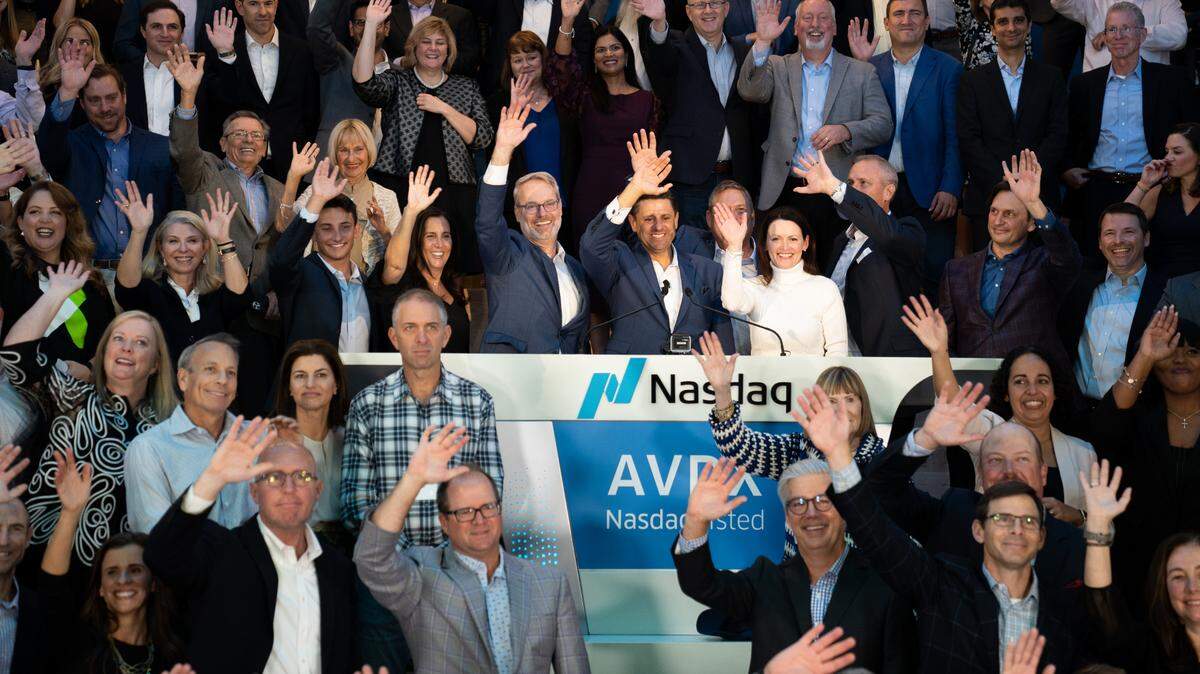
On Oct. 13, AvidXchange went public in a $660 million IPO that turned the privately held company into one of the city’s largest public firms, with a market cap of nearly $4.8 billion, greater than some well-known local names like LendingTree.
But operating as a publicly held firm comes with its own set of challenges, local finance experts say.
“There are a lot of hurdles or frictions,” said Al Ghosh, an accounting professor at UNC Charlotte’s Belk College of Business. “It’s not so easy to become a public company.”
Headwinds ahead
If a successful offering was AvidXchange’s first hurdle, the company seems to have cleared it, Ghosh said.
Stock in the company was trading at $25.42 a share at market close on the Nasdaq Wednesday, just above the initial offering price of $25. The stock price has hovered in a similar range since it started trading.
That means AvidXchange apparently priced its offering correctly, Ghosh said — setting an initial offering price that wasn’t high enough to deter buyers or low enough to leave money on the table.
“It’s hard to get it right the first time,” Ghosh said. “(The stock performance) seems to indicate they were able to maximize the capital that they wanted to raise, and the market interest allowed them to do that.”
AvidXchange raised about $620 million in net proceeds in the offering, CFO Joel Wilhite said in an earnings conference call with analysts Tuesday.
There was strong enough interest from investors during the offering that AvidXchange raised its projected share price ahead of the IPO, from about $22 to $25. The company also raised the number of shares from 22 million to 26.4 million.
About a month later, the stock price seems to show investors’ enthusiasm was justified, Ghosh said. But with it comes the pressure to perform.
“That excitement essentially also creates a set of expectations,” he said. “Now you’re held accountable to that benchmark or standard that you created.”
Tolerating losses
During AvidXchange’s first quarterly earnings call Tuesday, it reported $65.2 million in total revenue, up 37% from the year before, and a net loss of $35.5 million.
The company also operated at a loss in 2019 and 2020, according to previous filings. That’s not unusual for expanding tech firms that are plugging revenues back into growth efforts, experts said.
But as a publicly traded firm, AvidXchange can expect investors and analysts to take a closer look at its losses, Ghosh said.
“The second headwind that they’ll face is: What is the investor patience or tolerance for them to remain unprofitable?” he said. “How much loss will they tolerate?”
There could be more pressure to grow revenues or inch closer to profitability, Ghosh said. AvidXchange will also have to meet analysts’ earnings projections each quarter, or risk watching its stock price fall.
‘Huge potential for growth’
There are a few other key challenges firms often face in their first year as a public company, said Anandi Banerjee, a finance professor and researcher at Queens University of Charlotte. That includes meeting earnings estimates, limiting shifts in management and adjusting to the transparency required of public firms.
But Banerjee thinks AvidXchange is well prepared to handle those challenges.
That’s because the company has strong management, a sound business model and “huge potential for growth,” Banerjee said. That’s something it can achieve more easily as a public firm.
“After the capital raise (of the IPO), they can actually scale up their operations, invest more,” she said. “I think that’s going to just increase the growth potential.”
Regardless of short-term movements in the company’s stock price, Banerjee said there are reasons to be optimistic.
”You can have an idea about the growth of the company just by the amount of interest that there is in the stock,” she said. “And there’s tremendous interest.”
Impact in Charlotte
AvidXchange’s success over the next year also could have a broader impact in Charlotte, Banerjee said.
“This is great for the Charlotte ecosystem,” she said. “Charlotte was already on the map for the financial services industry. But I think Avidxchange also gets it on a map of the fintech world.”
AvidXchange projects revenues of $245 million for 2021, an increase of 32% from the previous year, Wilhite told analysts on the company’s earnings call.
The firm’s public offering already has generated more interest in Charlotte’s startup scene.
Greg Brown is an administrator for the Charlotte Angel Fund, which invests in early-stage startups in North Carolina. He said he got more calls from interested investors in the weeks leading up to and after the offering than during any other 60-day period at the fund.
“I don’t think it’s a coincidence,” Brown said. “There’s a certain amount of publicity and awareness that’s created... I think people sort of have a desire to be involved in that.”
This story was originally published November 17, 2021 at 11:09 AM.