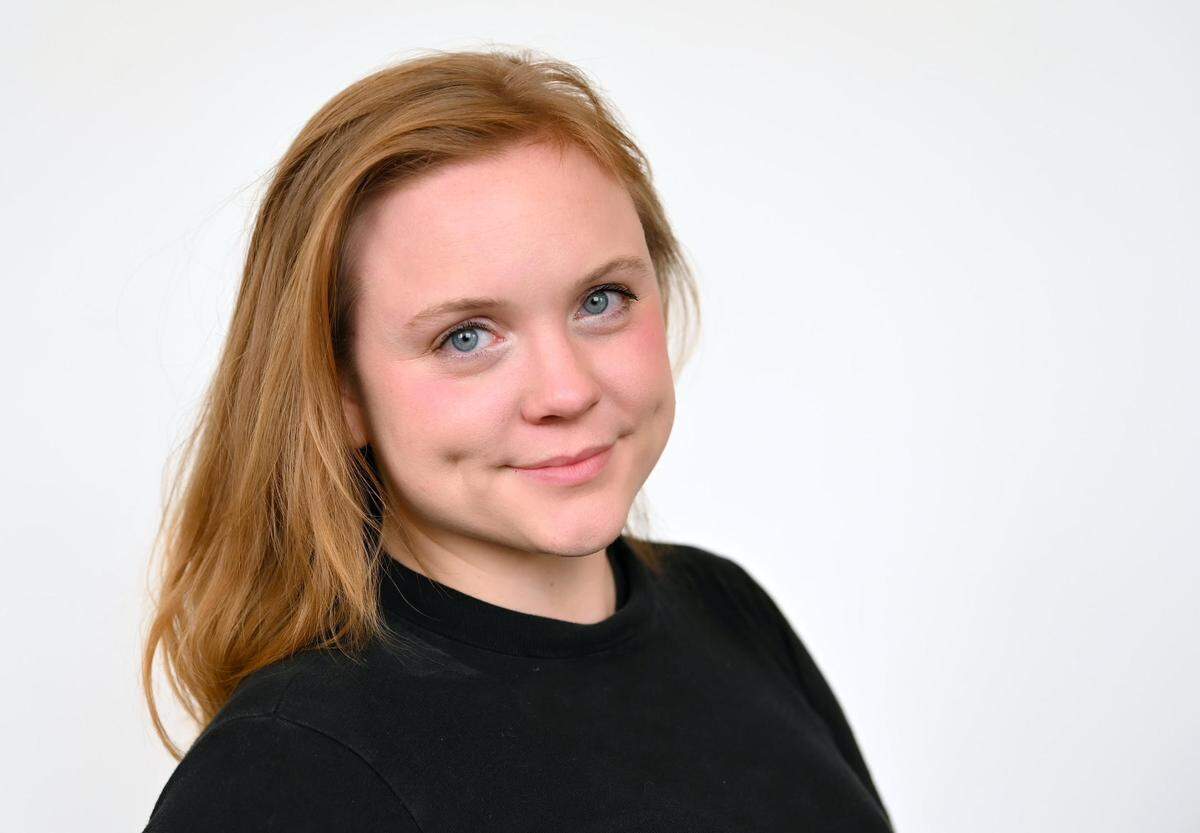
Prominent Charlotte economist talks 9/11, Wachovia’s fall and his biggest mistake
When you picture the workspace of a veteran economist like Mark Vitner, you might think of somewhere quiet: piled high with books, isolated enough so that he can focus on the weekly economic reports he’s written for much of his three-decade career.
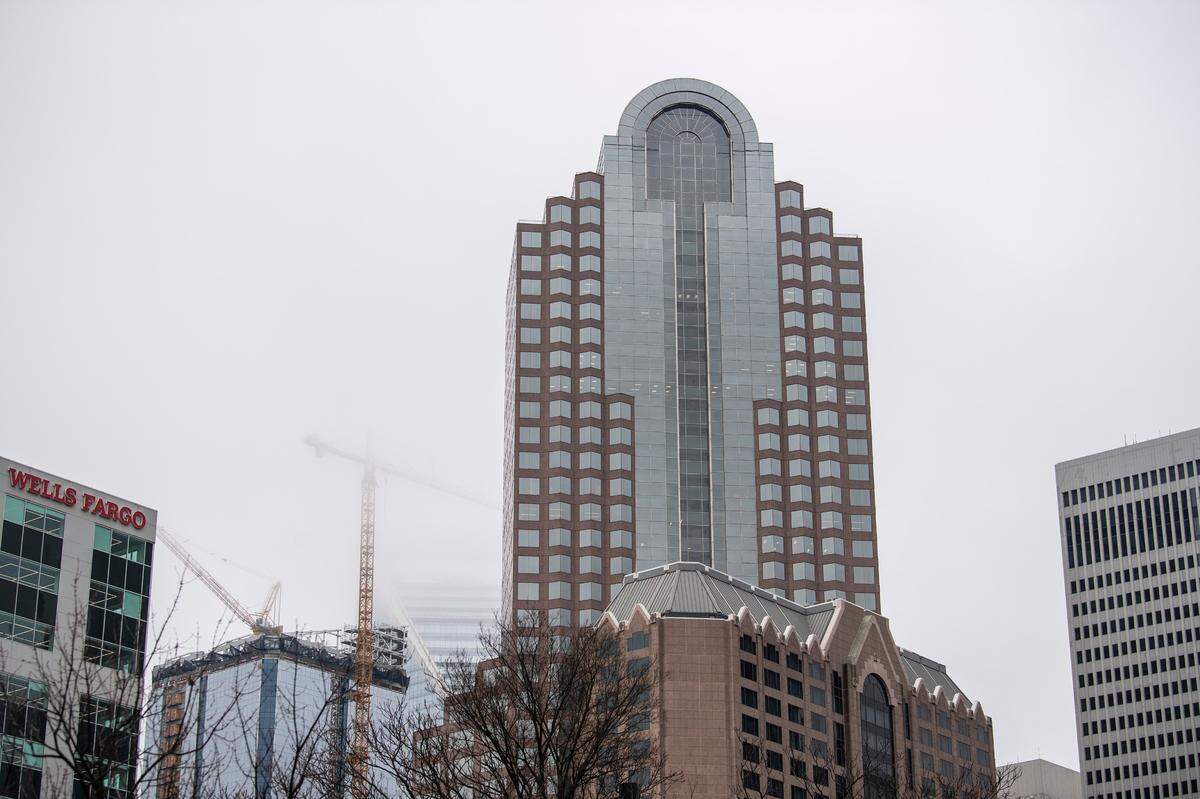
Instead, his desk is surrounded by the clacking of keys, flashing charts and scattered conversations in a wide-open space on the lower floors of the Duke Energy Building. At Wells Fargo, Vitner has spent his tenure out on the trading floor in the pulsing heart of the bank’s Charlotte securities operation.
Beginning with Wells Fargo predecessor First Union in 1993, Vitner has spent 29 years at the bank monitoring the economy in Charlotte and across the country. He’s also become a well-known voice of the region, appearing on TV, radio and in countless newspaper articles — The Charlotte Observer’s included.
Along the way, he served as a witness to major historical events, like the attacks on the twin towers on 9/11 and the financial crisis that led to the fall of Charlotte-based Wachovia and its acquisition by San Francisco-based Wells Fargo.
Prior to his retirement Sept. 2, the Observer sat down with Vitner as he reflected on his career and what comes next. The interview has been edited for brevity and clarity.
Q: When did you know you wanted to be an economist?
Vitner: When I was a young child, I was earning 50 cents a month allowance. I could walk to the drugstore, and I could theoretically buy five candy bars with that 50 cents. And then they went up to 15 cents all of a sudden. And I asked my father, ‘Dad, why can’t the president order everybody to lower prices by a nickel?’ I was just astounded that prices could just go up like that.
And so my father told me I needed to go read Milton Friedman. I went to the library and checked out ‘Capitalism and Freedom.’ While it was a little advanced for a 10-year-old, I understood enough of it… Years later, in the 1980s, I got to meet Milton Friedman and share that story with him.
Q: Tell me about the early days of your career. How did you end up in so many reporter’s rolodexes?
At Barnett (Bank, his first employer), I had an office right next to the head of public relations. He helped me out a lot in terms of getting contacts. And then once (reporters) have your name, if you’re reliable, you’re quotable, you know, people tend to call.
By the time I came to First Union, I had a long list of people. When I came, we had no publications. Jerry Schmitt, who ran the investment bank back then, asked me: ‘How on earth are we going to compete with the JP Morgans and the Goldman Sachs of the world? How are we going to get people to read our stuff?’ And I said, ‘Because we’re gonna keep it short and concise.’ I put a high premium on brevity.
And our very first report, on all the industrial development along I-85, got picked up by The New York Times on the front page. Getting that kind of validation right off the bat is an immense help.
Q: You were in New York on Sept. 11, 2001. What was your experience like?
I was there for our trade association’s annual meeting at the Marriott World Trade Center, which was kind of nestled between the North and the South Tower.
I was listening to the president of JP Morgan speak about the future of the banking market when I heard a sound almost like an air conditioning compressor blowing up. A few seconds later I heard and felt what seemed like explosions. At the time we didn’t know what had happened… The landing gear from the plane had crashed through the roof of the hotel.
After about 20 minutes we exited out the side of the hotel and a fireman told us to run across the West Side Highway. From there I went to a deli that I’d gone to have lunch at a couple days earlier and called my wife. We didn’t have cell phones back then. I was covered head to toe with dust.
Q: That wasn’t the only historical event you witnessed firsthand. What was it like working at the bank during the financial crisis of 2008?
Those were some of the longest days of my entire career. I was traveling more than ever. I would go to two or three cities in a day, meeting with customers who were nervous.
When I was in the office, I had some incredibly long days where I would come in to work at 5:30 a.m. to be on CNBC at 6. By noon, someone would say ‘I saw you on CNBC this morning,’ and it would feel like days ago.
That Tuesday (the week of Wachovia’s acquisition by Wells Fargo) was Rosh Hashanah. I remember asking the rabbi to say a little prayer for the financial system. (laughs) I promised him I would fast.
Q: You’ve made a lot of forecasts over your career. Was there ever something you got really wrong?
Being right and being wrong and very subjective…. (but) it would probably be the housing market collapse (in 2008). My experience dates back really to the early ‘80s, when we had double-digit interest rates. I knew that the housing market was headed for a big correction, but we basically had it falling by the same magnitude that it did in ‘81 and ‘82, when mortgage rates were 14%. I thought I was being cautious. And of course, it turned out to be much greater than that.
We were late in realizing how interconnected the mortgage market was with all other credit markets, and so the housing collapse pulled down the entire economy. I would say that’s the biggest mistake over my career — not recognizing that.
in the aftermath of the housing bust. I set about reading a book a week, one from somebody I agreed with, and one from somebody I didn’t. I did that for a long time, thinking ‘I don’t want to miss something else.’ I wasn’t alone in that, but that’s probably the biggest thing we missed.
Q: What are you proudest of?
I think what I’m most proud of is the interactions that I’ve had with customers, and the fact that people have been able to make some very good decisions about their businesses based on information that I’ve provided them with. Several people have written me letters over the years saying, ‘I am so thankful that we had you come in and speak early last year, because it sparked a great deal of discussion, and we looked hard and made some changes in our business.’
Q: What comes next, after you retire?
A lot of things. I’m hoping to write a book. My time at work has taken a toll on my body, so I’m hoping to get into better shape and spend more time with my family. I don’t think I made a single kid’s lunch before the pandemic.
And then I’m hoping to lay the groundwork for a small consulting firm that I’m going to start. I would really like to have a handful of clients. I don’t know that I’ll ever feel ready to just shut off following the economy.
Wells Fargo is an incredibly good company. It really pained me to see all the negative publicity that the company got at times (part of which came from the fake accounts scandal.) I’ve always felt very proud to work here. In retirement, I’m still going to be a strong advocate (of the bank.)
Q: Any parting words?
It has been incredibly fun. When you enjoy what you do, it goes by very fast. I’m very fortunate that my career feels like it’s gone by as fast as it has.
This story was originally published September 6, 2022 at 6:00 AM.