Over 500,000 Zelle fraud claims in past few years at four major banks, report finds
.JPG "The banks behind the digital payment network Zelle have faced pressure from lawmakers and regulators to address a growing concern with fraud and scams on the service. A report from Sen. Elizabeth Warren gives a glimpse of the scope of the issue at Charlotte’s banks.")
Four of the country’s largest banks, including Bank of America and Truist, are on track to report more than half a million fraud claims combined on Zelle for the last three years, according to a report from Sen. Elizabeth Warren.
And in roughly the last year and a half, those banks’ customers reported losing approximately $214 million to scams on the service.
Zelle functions similarly to other peer-to-peer payment services like PayPal or Venmo, but is owned by seven of the biggest U.S. banks and offered to customers in connection with their accounts. The banks behind Zelle include Charlotte’s largest — Bank of America, Truist and Wells Fargo — in addition to smaller local players like JP Morgan Chase, U.S. Bank, PNC and Capital One.
The network has drawn increasing scrutiny from lawmakers and regulators, who point to growing customer claims that suggest the network may be a favorite of scammers and fraudsters.
Warren, a Democratic lawmaker from Massachusetts, and her office evaluated internal data provided by the banks this fall to gauge the impact of fraud on the digital payment network.
Warren has called for stricter regulation of Zelle. In the report, she wrote that fraud is “rampant” and increasing on the service. But few customers are made whole for their losses, the report said — particularly those that fall for scams.
“Numerous reports indicate that Zelle is operating as the preferred tool of fraudsters and bad actors,” the report said.
Shortly after Warren’s analysis was made public in October, Zelle operator Early Warning Services called recent reports of fraud and scams on its network “misleading.”
“Tens of millions of consumers safely use Zelle every day with more than 99.9% of payments sent without any report of fraud or scams,” it said in a news release. “Any external analysis done is incomplete and does not reflect the efforts and data reported by more than 1,700 financial institutions on the Zelle Network.”
Nevertheless, JP Morgan, Bank of America and Wells Fargo are among those now in talks to build a new plan for reimbursing scammed customers, according to a Wall Street Journal report this week.
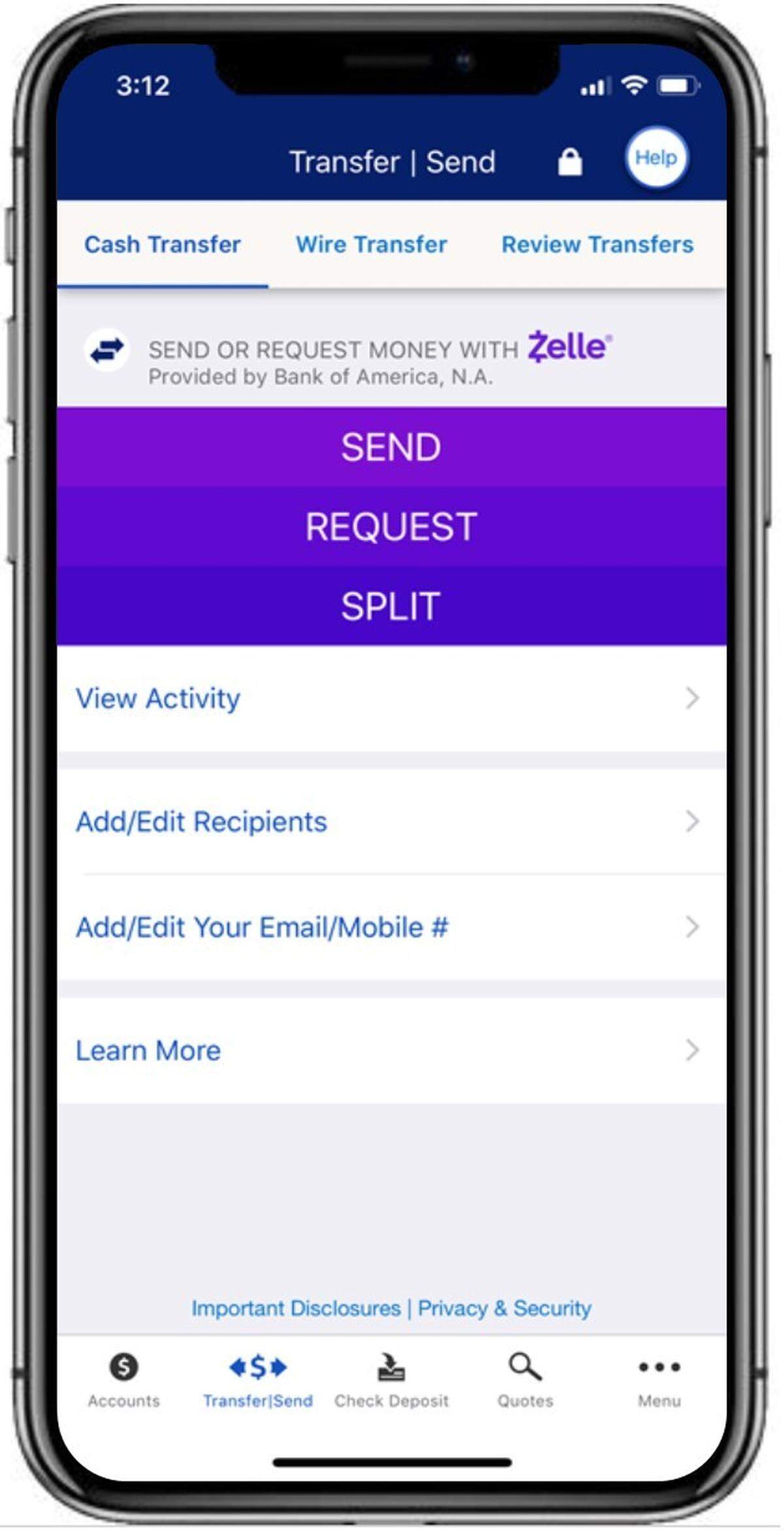
Zelle fraud claims triple at Bank of America
For the four banks that reported data to Warren’s office, the total number of fraud claims increased significantly from 2020 to 2021 — and are estimated to keep climbing this year.
From 2020 to 2021, Truist saw total claims of fraud and scams on Zelle more than double: from 9,455 to 22,045. The bank is on track to report about 20,000 total claims this year, the report said.
Bank of America saw an even larger increase from 2020 through 2022. Total claims more than tripled, from 49,652 in 2020 to an estimated 160,977 for this year. That’s a 224% increase.
Bank of America also was recently the subject of a class-action lawsuit alleging that it didn’t do enough to protect customers from Zelle scams, or reimburse them when they occurred. The bank has declined to comment on those allegations.
Overall, the four banks that reported data are on track to report an estimated 514,230 total fraud claims for the last three years, according to Warren’s report.
Wells Fargo and JP Morgan Chase were among the banks that didn’t provide the complete data that Warren’s office requested, and were not included in its analysis.
In a statement to The Charlotte Observer, Wells Fargo spokesman Josh Dunn pointed to the fact that less than 0.1% of customer transactions on Zelle involve fraud or scams. “We don’t believe the numbers in a recent report are done on a comparable basis, and therefore the analysis is misleading and inaccurate,” he wrote.
Truist told the Observer that the bank has devoted significant resources to preventing, detecting and resolving fraud and scam issues, and encourages clients to transact on Zelle only with people they know.
Warren: Few Zelle scam victims see repayment
When customers do fall for scams, banks reported low rates of repayment, according to Warren’s analysis.
Banks are required by law to cover customers’ losses for unauthorized transactions, like a third party hacking into a customer’s account without their knowledge. Those rules don’t apply to authorized transactions, defined as those that a customer initiated themselves — even if they were tricked into doing so.

But scams remain a growing problem on Zelle, Warren wrote, despite the fact that these payments are technically “authorized” by customers.
Truist customers, for instance, reported 7,223 cases of scams on Zelle involving over $5.4 million in payments in 2021 and the first half of this year.
During that same period, Truist, U.S. Bank and PNC reported 35,848 total claims of scams. But those banks refunded only 10% of scam claims during that period, the report said.
Bank of America reported 157,030 Zelle scams involving over $187.9 million in payments in 2021 and the first eight months of 2022.
Bank of America declined to comment on the report’s findings. In a statement to the Observer, the bank said it reimburses all claims that are verified by the bank as unauthorized transactions. The numbers of Zelle fraud claims cited in the senator’s report include those that are unverified.
Why Zelle is popular with scammers
Zelle users have become a favorite target of scammers thanks to the network’s ubiquity and ability to instantly transfer cash directly from a bank customer’s account, said Teresa Murray, a consumer watchdog for U.S. Public Interest Research Group.
“It’s more pervasive, because more people have bank accounts than have CashApp or Venmo,” she said. But the same factors that make Zelle fast and convenient for users make them targets.
.JPG "AP4323486007263615 (1).JPG")
“The bad guys know they have a higher success rate,” Murray said.
Murray said a new plan for reimbursing conned Zelle customers could satisfy regulators and be a big help to those who have fallen for scams.
This story was originally published December 2, 2022 at 5:50 AM.