Demand ‘through the roof.’ Why it’s so hard to find a home for sale in Charlotte now
The supply of homes for sale in the Charlotte region has now dropped to its lowest level in at least 17 years. That’s leading to fierce competition amid growing demand in the real estate market.
The skyrocketing cost of housing also has priced people out of the market, experts say.
There is a supply of 2,958 homes for sale in the Charlotte region as of last month, according to a report released Wednesday by the Canopy Realtor Association, using MLS data. That equates to about 18 days worth of inventory. Experts say a balanced market should have around a six-month supply of homes.
The severe shortage also has caused housing prices to surge, as demand has continued despite COVID-19. The median sales price increased 11.7% from last year, to $293,495.
Evelyn McCorkle has been a real estate agent since 2001, and said she’s never seen anything like the trends that are occurring now. She said buyers from more expensive cities are moving to the area in droves because of the lower cost of living and quality of life.
“All of those are factors that are causing our demand to go through the roof,” said McCorkle, a broker with Helen Adams Realty.
Demand rising, supply falling
Even as the coronavirus has devastated the economy, the demand for homes has increased. Job losses disproportionately hit low-wage workers, who more often rent rather than own a house.
Charlotte was already seeing an influx of new residents before COVID-19, but the pandemic has allowed more people to move to the city because of remote work, said David Kennedy, Canopy Realtor Association/Canopy MLS president.
And for people who are coming from expensive cities in the North and West, Charlotte prices seem affordable, he said. “They’re looking at what they can get for the money and they are gladly and willingly paying top dollar and outbidding local bidders here in Charlotte,” Kennedy said.
Jonathan Osman, a broker and owner of Tryon Realty Partners, said some sellers are waiting because it’s difficult to show a house while they’re working from home or their children are attending school virtually.
And he said others are looking at the increasing cost of buying a new home and waiting before selling theirs. New listings were down 6.2% last month, compared to February of last year.
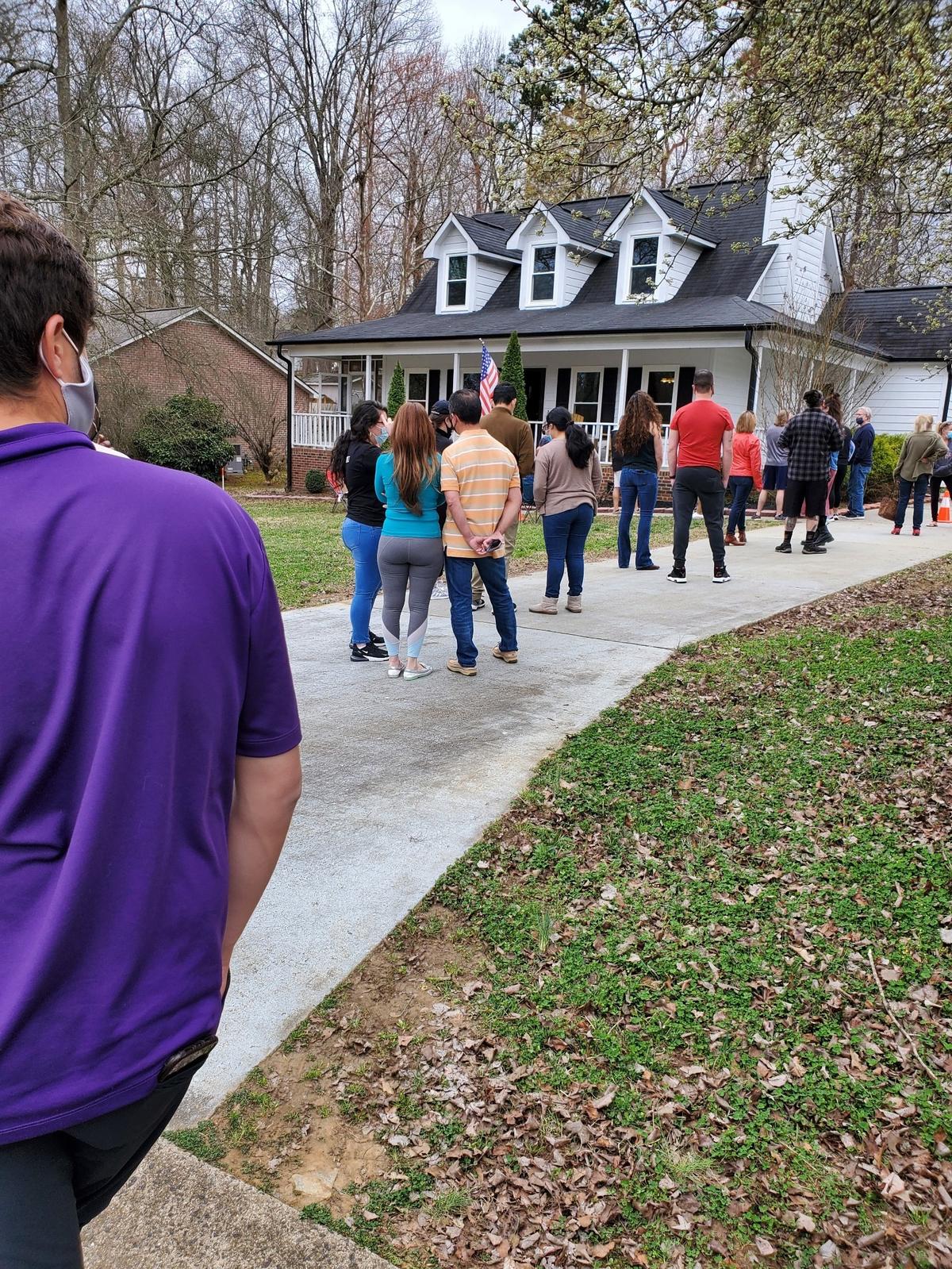
McCorkle posted a picture on Instagram over the weekend of a line with around 25 people in it to get into an open house just after the home had been listed.
“You would’ve thought it was a Black Friday sale after Thanksgiving,” she said.
Affordability concerns
Both new and existing homes are increasing in cost as buyers flood the market. Builders can’t keep up with the demand for new homes, and rising lumber prices have pushed their prices higher.
“If you have the average cost to build increased by $25,000, that’s real impact if you’re on the margins of being able to afford that property,” Osman said.
In a news release from the Canopy Realtor Association, Kennedy said inventory had reached a “critical” level.
“We don’t want to see first-time buyers, single buyers and workforce housing buyers locked out of the market,” he said.
In an interview, Kennedy said that the lowest-priced homes are increasing in cost at a faster rate.
Investor competition
Everyday buyers are competing with deep-pocket investors, who have cash they can deploy quickly.
Wall Street-backed companies like American Homes 4 Rent and Invitation Homes have purchased thousands of homes in Charlotte since the 2008 recession and converted them into rentals. Small home flippers and other investors are competing in the market too.
“Cash has always been king,” Osman said. “(Investors) have been able to play in the more modest and lower price points and it’s made it kind of unaffordable for a lot of homeowners.”