Charlotte ranks among the hottest U.S. real estate markets. But some buyers are shut out.
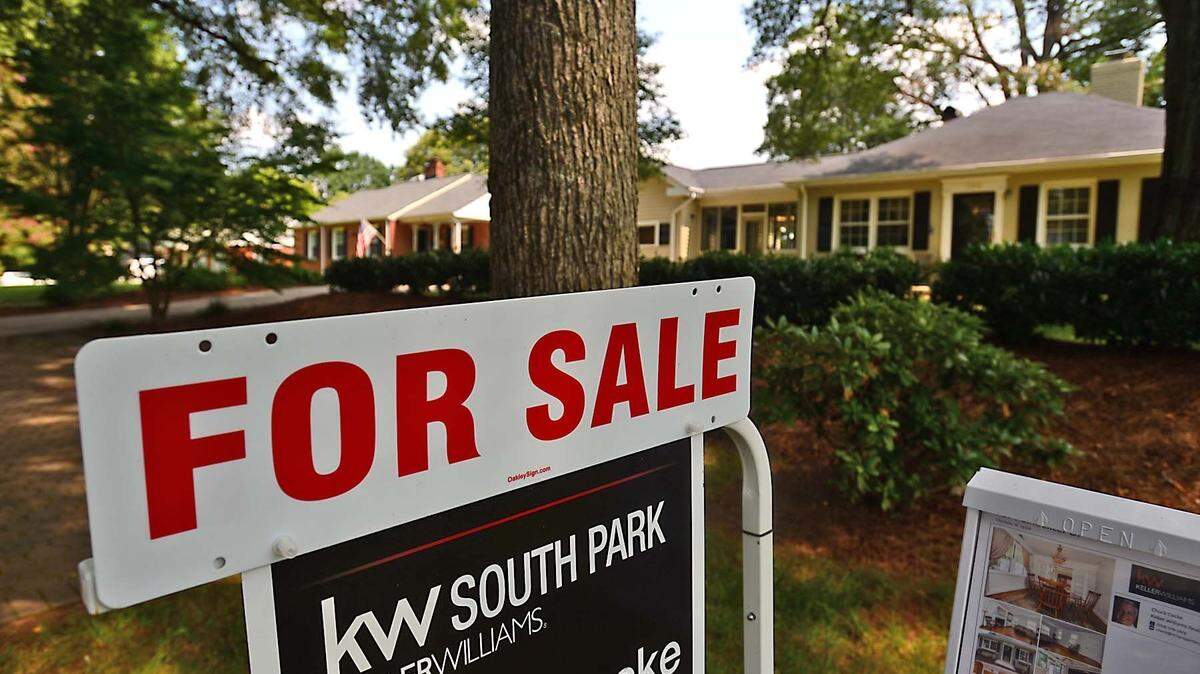
Charlotte, welcome back to the Top Ten.
For another year, the Queen City ranks among the hottest housing markets in the nation, sitting in sixth place behind first-ranked Nashville, Tenn., North Carolina’s Triangle, Phoenix, Austin, Texas and Tampa/St. Petersburg, Fla.
That’s according to the Urban Land Institute’s annual report, which surveys close to 2,000 real estate experts and looks at nationwide real estate data.
Aside from ranking overall housing markets, the 105-page report assesses the impacts the coronavirus pandemic had on office workers and housing affordability, as well as what impacts the property sector has on the changing climate.
Fast-rising prices in cities like Charlotte have made it harder for young people and low-income buyers to purchase their first homes, the report says. Local real estate professionals expect this year’s trend of low inventories and high demand for housing to continue into 2022.
Here are some takeaways.
‘Magnet’ city
Charlotte was ranked fifth overall in last year’s report. The city has ranked in the top 10 in at least the past three ULI reports. Its growth follows a trend of companies, homebuilders and real estate investors turning their eyes toward the Sun Belt for its economic growth potential.
ULI listed Charlotte as an 18-hour “magnet” city, meaning it’s a migration destination for both people and companies. An “18-hour” city refers to a small- or mid-sized city like Charlotte that has many of the offerings of larger ones but isn’t busy bustling around the clock. Most magnet cities are growing faster than the U.S. average in terms of population and jobs.
The 18-hour cities tended to fare well during the pandemic, which ULI called a testament to their “enduring appeal.”
“Though growing less affordable over time — partly due to price pressures from transplants from more expensive markets — these medium-sized cities nonetheless continue to attract in-migration due to lifestyle, workforce quality, and development opportunities” the report states.
Home sales in the Charlotte region dipped slightly in September, but low inventory and ever-increasing prices point to a continued strong seller’s market, The Observer has reported.
The September report from Canopy Realtor Association shows a 4.6% decrease in sales from August for a 16-county region around Charlotte. That’s typical for this time of year, as many buyers try to move before a new school year starts, David Kennedy, the association’s president, said in a statement with the month’s report. The region saw a 2.3% dip in home sales from September 2020.
Housing affordability
U.S. home prices and rents dipped briefly during the worst months of the pandemic but began to accelerate again as the economy reopened and are climbing at some of the highest rates ever tracked, the Urban Land Institute wrote in its report.
That has meant the issue of affordable housing has worsened.
Worsening affordability means people aren’t moving around as much, which in turn slows job growth because workers can’t move to where the jobs are, the report states.
“Thus, the beneficiaries of improving housing affordability extend far beyond the immediate recipients by increasing overall economic growth and prosperity,” it says.
Higher home prices also strain younger households, including first-time home buyers, because they lack the savings needed for a down payment. That challenge is especially acute for many households of color, the report states, ”as the racial ownership gap has widened since the onset of the housing crisis and the Great Recession.”
What local real estate experts see
Charlotte is absolutely “booming” as far as its growth and development, said Lou Redbord, regional vice president for the Carolinas at Coldwell Banker Real Estate.
As of Wednesday morning, the region had 0.6 months of housing inventory, meaning the homes for sale now would run out in about 18 days based on current buyer activity and without any new listings hitting the market, Redbord said.
That’s good for sellers. Not so much for buyers.
Back during the summer, Redbord said, it wasn’t uncommon to get a dozen, or maybe 15, offers on a house. He recalled getting 52 written offers on one.
Recently, that has slowed down to three or four. He doesn’t want people to associate that with any “doom and gloom” in the market because three offers on a home has been common in past vibrant markets. The decrease in offers could be buyer exhaustion or a result of slightly higher interest rates, Redbord said.
Redbord doesn’t see anything changing drastically headed into 2022. But he does expect a slowdown because the average home sales price is not keeping up with incomes.
“The market has a way of correcting itself,” Redbord said.
Charlotte isn’t alone when it comes to housing shortages. A report released last month by the National Association of Realtors said “the state of America’s housing stock… is dire, with a chronic shortage of affordable and available homes (needed to support) the nation’s population.”
Outside cash investors
Jonathan Osman, a broker and owner of Tryon Realty Partners, agrees with Redbord. He doesn’t expect to see much of a difference from 2021 to 2022.
He pointed to the increased interest among companies such as Invitation Homes and American Homes for Rent in buying single-family homes for all cash and converting them to rentals. Many times those offers can be 15% above the asking price, he said.
In 2018, the Observer reported that a small group of out-of-state companies had bought more than 10,000 houses across the Charlotte region, rapidly increasing their holdings from almost none just a few years earlier. Property records showed that some Wall Street-backed companies were buying up homes across Mecklenburg County.
Osman said first-time buyers are having a tough time competing with investors who buy homes with all cash, above the asking price, and then rent them out instead of selling. Osman doesn’t see that trend slowing down.
Most of the all-cash buyers are looking for homes built after 1980 and selling for under $400,000, he said.
First-time home buyers are now having to make 10 or 11 offers on such properties before they get into a house they like.
This story was originally published October 28, 2021 at 10:23 AM.