University City leaders spell out plans to guide development in rapidly growing area
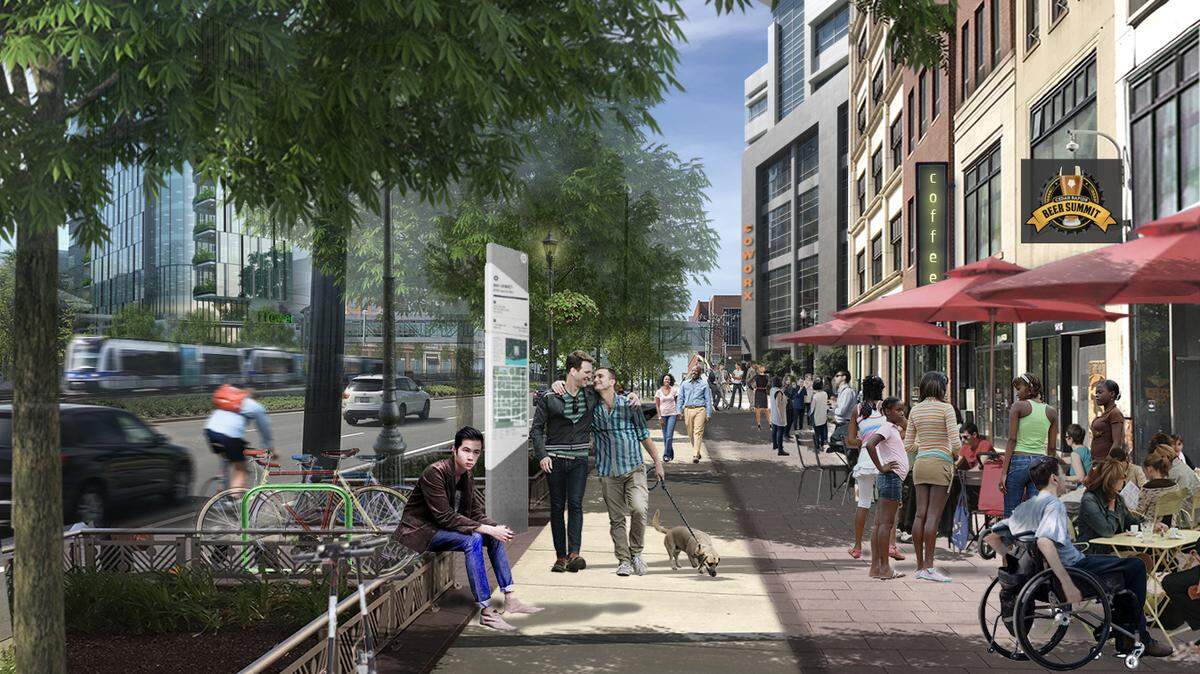
University City will change more than anywhere else in Charlotte in the next 20 years.
It’s a bold statement to make in one of the fastest growing cities in the country, but the people pushing for this part of Charlotte believe in every word.
That statement can also be found in a newly-unveiled vision plan for development, laying out goals for how University City hopes to transform from suburban to urban. The plan comes as University City — the second largest employment center in Charlotte, behind uptown — continues to see year-over-year growth, driven especially in the past four years by a light rail extension.
University City is not going in the direction it was 20 years ago, said Tobe Holmes, director of planning and development at University City Partners, which advocates for economic development in the area. The group’s goal is to remind investors and developers know things are changing.
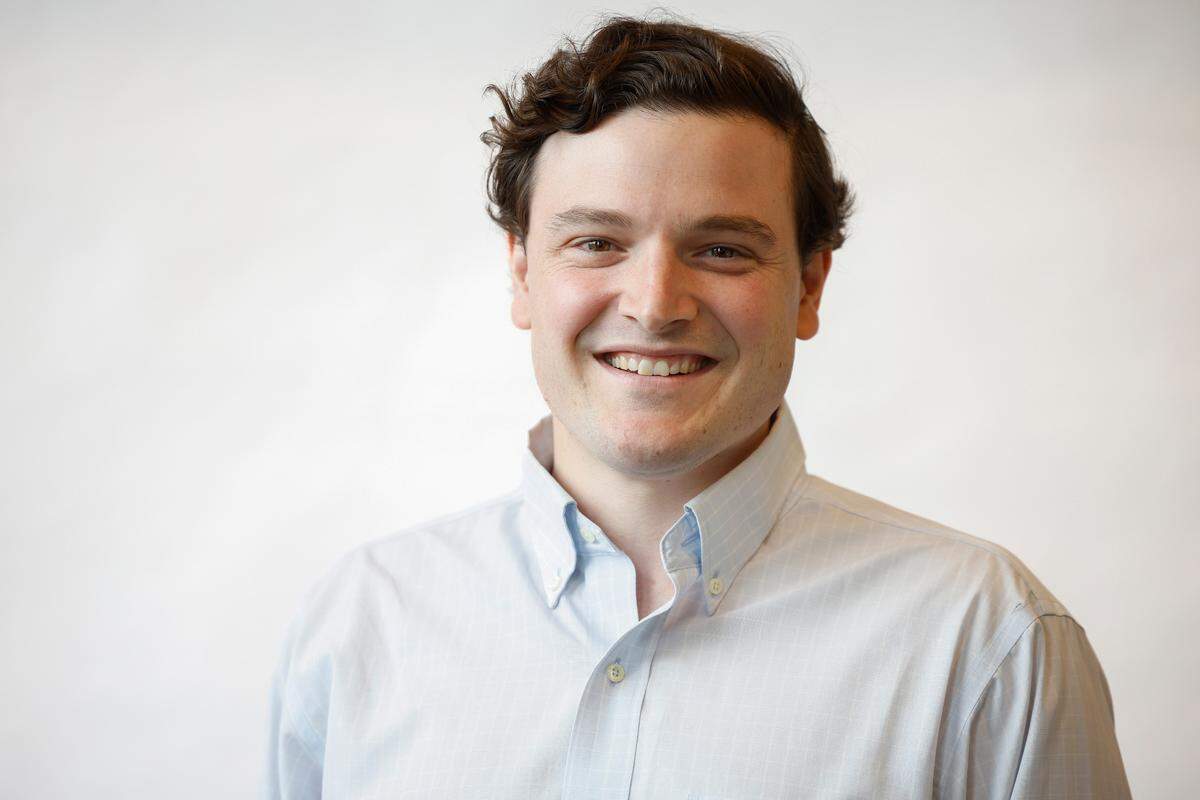
“We’re a different place. We have to act like it,” said Holmes. He will become interim executive director of University City Partners Dec. 1; current executive director Darlene Heater accepted a job as managing director with developer Panorama Holdings.
Echoing Holmes, Heater said University City is seeing “transformational change.”
“If you don’t harness this and direct it in a way our community wants to see University City be built, then we’re going to miss an opportunity to create this really unique place,” Heater said.
More grid, more greenway
A few years ago, University City traditionally saw about 1,200 multifamily units built per year. Then came the $1.2 billion light rail extension from uptown to UNC Charlotte.
Today, the area sees about 1,700 units multifamily built a year, or about a 42% increase, Holmes said.
With the growth, University City Partners is aiming to transform the area’s neighborhoods along the light rail stations into more walkable, densely-packed environments.
It lines up with what Holmes and Heater said is a major focus of the vision plan: improving how people get around. That means bringing in denser housing, adding more office space and putting in new roads to make for more of a grid setting.
It also means rethinking how people use the roughly 14 miles of connected greenway trails. Heater and Holmes’ group wants to make the trails not only a place to recreate, but a way for people to get to work or walk to other amenities.
“Demographics across the country demand walkability,” Holmes said. “That’s not the way we were designed. Being transit-served not only helps us be able to become more walkable but it demands we become more walkable.”
New town center
University City is home to about 13 million square feet of office space.
Wells Fargo is the area’s largest employer with 13,500 employees, Heater said. Centene Corp., a St. Louis health insurance giant, plans to bring about 6,000 jobs after announcing last year that University City would be home to its East Coast headquarters.
But University City has lacked a true town center. One project that aims to change that is Waters Edge. Construction started last month to bring 311 apartments along a man-made lake near J.W. Clay and W.T. Harris boulevards. The lake has been a gathering place for residents.
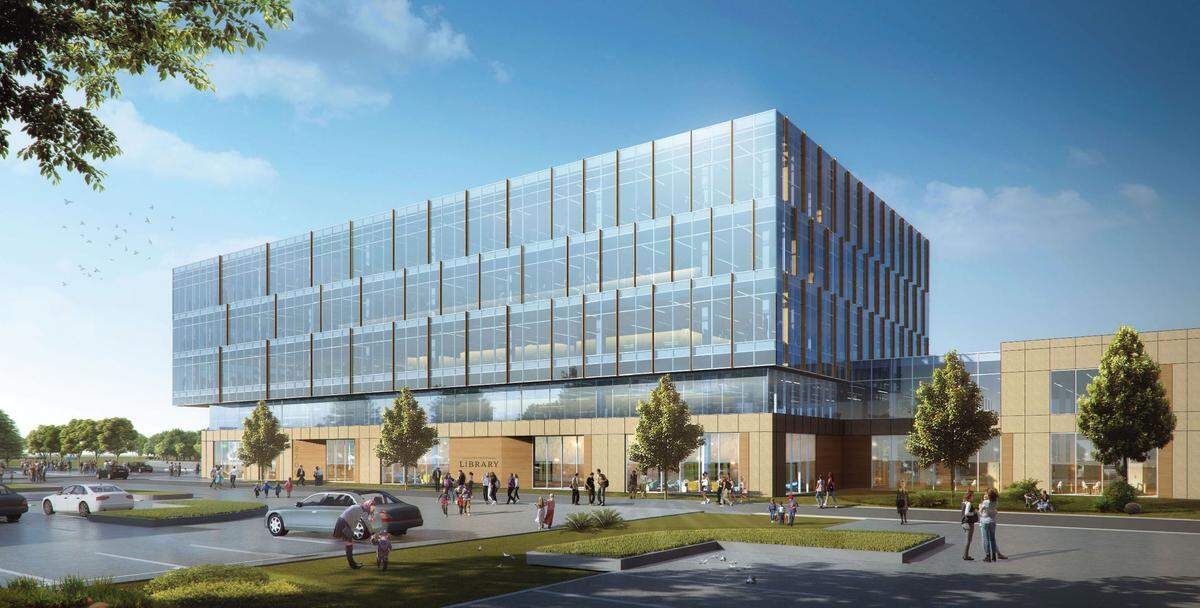
So far, a small cluster of box store buildings, including a Michaels and Ross Dress for Less, have been demolished to make room for the project, which also includes an office, retail, lakefront park and a refurbished 1-mile pedestrian trail that runs along the lake.
Those big-box stores are “quintessential suburbia,” Holmes said, adding that he was excited to see them get replaced by apartments. Retail and office buildings typically follow new apartments, he said.
The little things
One of the plan’s recommendations is to “create more interesting public spaces in key highly used locations.”
That could mean a lot of things but sometimes it’s more simple than complicated.
Holmes pointed to how they put in a swinging bench with some columns on an unused piece of grass behind the J.W. Clay transit station.
“I very rarely pass by there without seeing somebody sitting on that bench,” Holmes said. It follows along with a need to make the area more inviting and welcoming, he said.
This story was originally published November 1, 2021 at 4:45 PM.