Local developer wants to build 211 apartments in NoDa as neighbors voice opposition
NoDa is not South End. That much developers and neighbors in opposition to their apartment project seem to agree on.
Plans from a well-known local developer, Ascent Real Estate Capital, to transform a block along one of NoDa’s main thoroughfares into apartments and shops took another step Monday night toward an upcoming City Council vote. But many concerns remain — nine months after the petition to rezone the land was first filed.
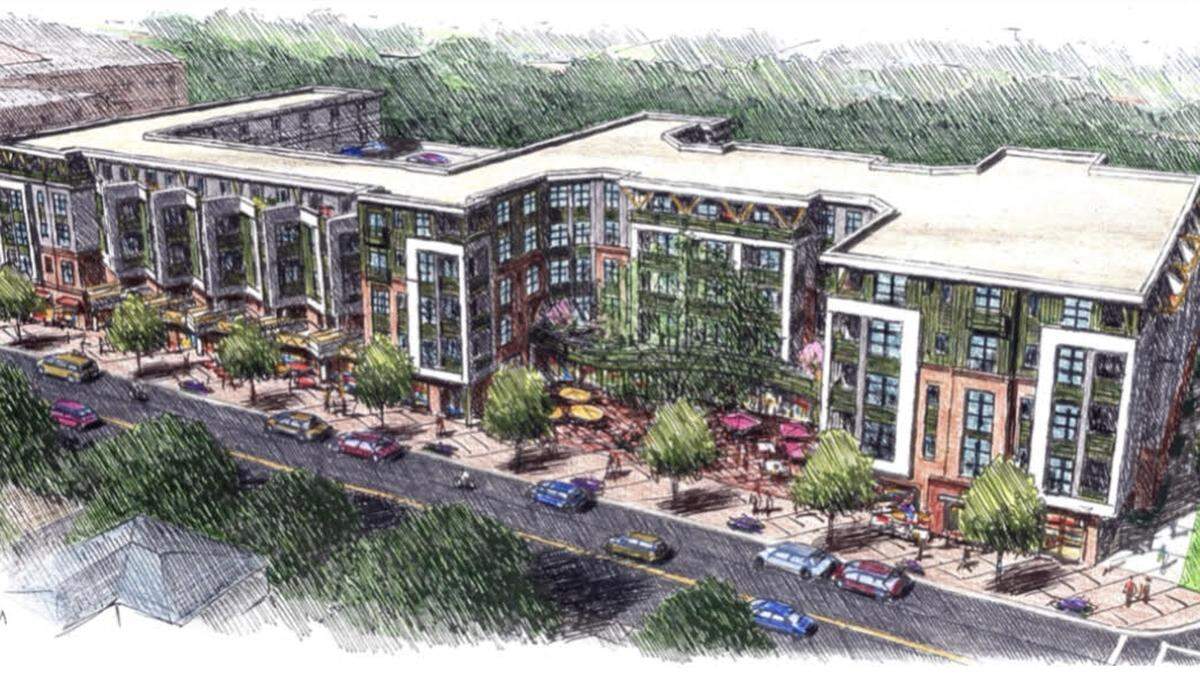
To developers, the plot of land on 36th Street is prime for a 211-unit apartment building for its proximity to a light rail stop. It will also provide more housing options in a fast-growing city. To neighbors, the five-story building threatens the very core of NoDa’s identity with its size and scale in an area with mostly historic, one- and two-story homes.
“There are times when we need to take it slow, move with complete alignment,” Candace Oliver, a 14-year NoDa resident, told council members during a rezoning hearing. “This is one of those times.”
The rezoning petition now goes back to the zoning committee of the Planning Commission, which would make a recommendation to the City Council. The City Council would then come back for a vote at its next meeting, which is scheduled for January 18.
Fitting into existing community
Centro NoDa would feature 211 apartments surrounding a 4-story parking deck with a maximum building height of 65 feet. It would include around 11,000 square feet of retail. The site on 36th Street between North Alexander and North McDowell streets is a quarter of a mile walk to the LYNX Blue Line’s 36th Street station.
It’s also located close to single-family homes.
The developers plan to build smaller-than-average “micro” apartment units, similar to the Centro Railyard apartments they built in South End. The petition before the council is to rezone the land from R-5 residential, a single-family district, to mixed-use development.
The average unit would be 580 square feet. The development team believes the starting rent would be a little over $1,000 per month, although there haven’t been any formal commitments, Caci Jaeger of Ascent told council members.
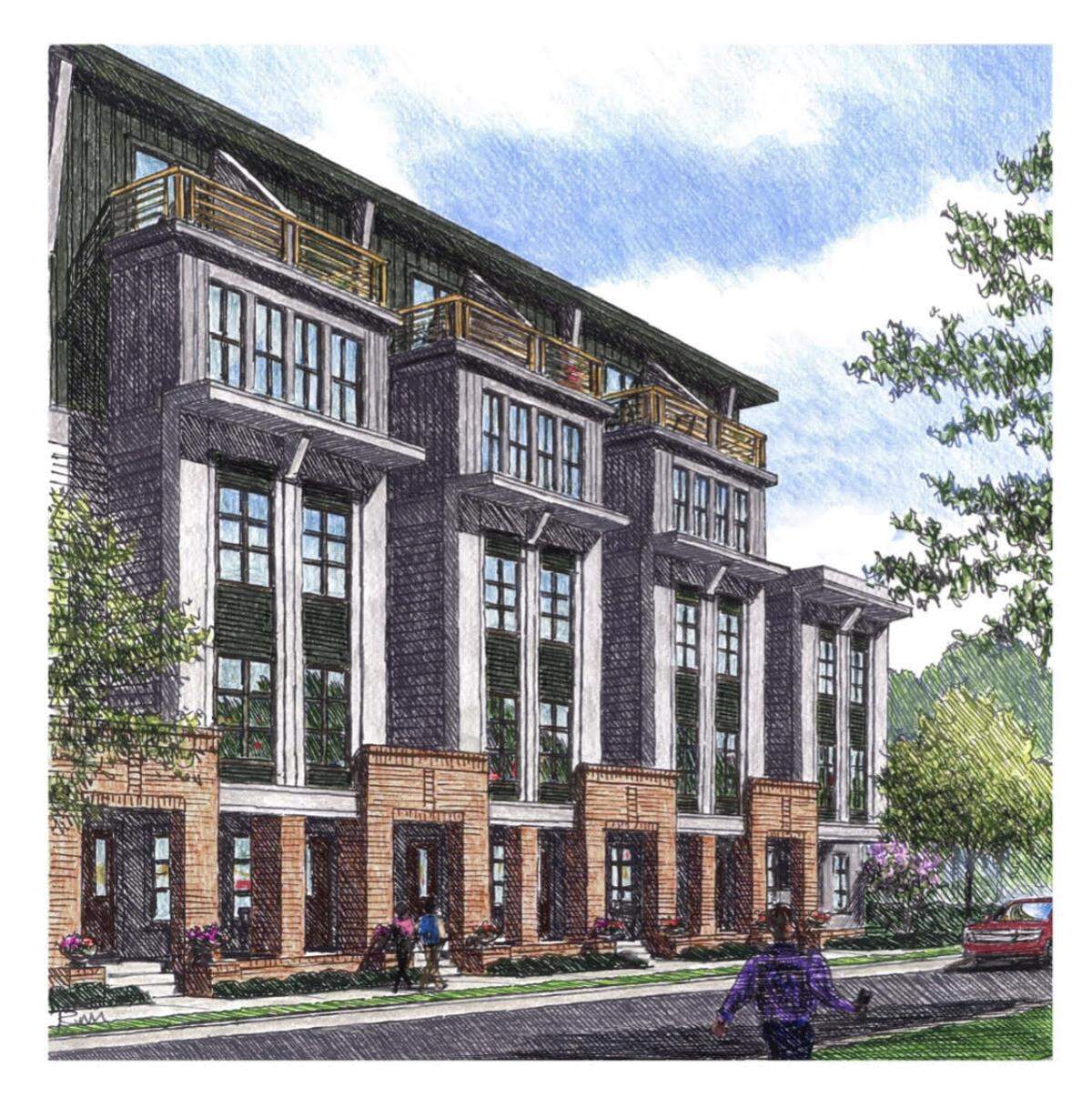
The smaller units provide greater affordability for people relocating to Charlotte, those who just finished school or those who don’t need a lot of square footage, Jaeger said.
While not everyone on the council agreed the project would help solve the affordable housing crisis, one council member, Tariq Bokhari, said this project is a viable solution to affordable housing. Addressing affordable housing is about creating higher density in taller buildings with smaller square footage, he said.
He encouraged those on the council to look hard at the project over the next month.
Some City Council members said they liked how the project would include a park, be within walking distance to the light rail and have thoughtful architectural design, but voiced concern over the size of the building and how it fit in with the surrounding neighborhood.
“To me this is very inconsistent with the mill houses in the neighborhood,” said Mayor Pro Tem Julie Eiselt.
One other council member, Ed Driggs, says creating density around Charlotte runs the risk of “trampling” some of the city’s historic neighborhoods.
Requests not met
To Oliver, the longtime NoDa resident, South End is a more industrial area with a larger development footprint. NoDa is an existing neighborhood with hundreds of smaller homes. The road the project would go on is a two-lane road with lower speed limits that connects drivers to roads like The Plaza.
“It’s not North Tryon, it’s not South Boulevard,” Oliver said, referring to busier roads in Charlotte.
She spoke to the council representing the neighborhood and what she said was more than 300 signed petitioners in opposition to the project.
Their opposition is not about digging their heels in, Oliver said. They’ve remained engaged with the developers but said their requests for various changes have not been fully met.
“We have never seen this level of disregard for working through solutions and honoring a collaborative approach to neighborhood partnership,” Oliver said.
Development creates walkability
Ascent said it is a local developer that has spent much of the year engaging with the neighborhood.
“We continue to work in good faith to create a great project that balances the city’s growth with a sensitivity to NoDa’s unique urban streetscape, business community and residents,” Ascent wrote in a statement shared with the Observer.
One NoDa resident, Clayton Sealey, voiced support of the project in a letter sent to council members, the planning department and the NoDa Neighborhood and Business Association.
The project will promote the goal of fostering a walkable community, provide needed housing options for all the people moving to Charlotte each day and brings more people into the neighborhood to support local businesses.
He pointed to Centro Railyard, Ascent’s project in South End, and how the development houses a plant shop, clothing stores, a skate shop and bakery, among other businesses.
“Who wouldn’t want that in their backyard?” Sealey wrote in his letter.