Rules for parking spaces may change in Charlotte. This is your chance to weigh in.
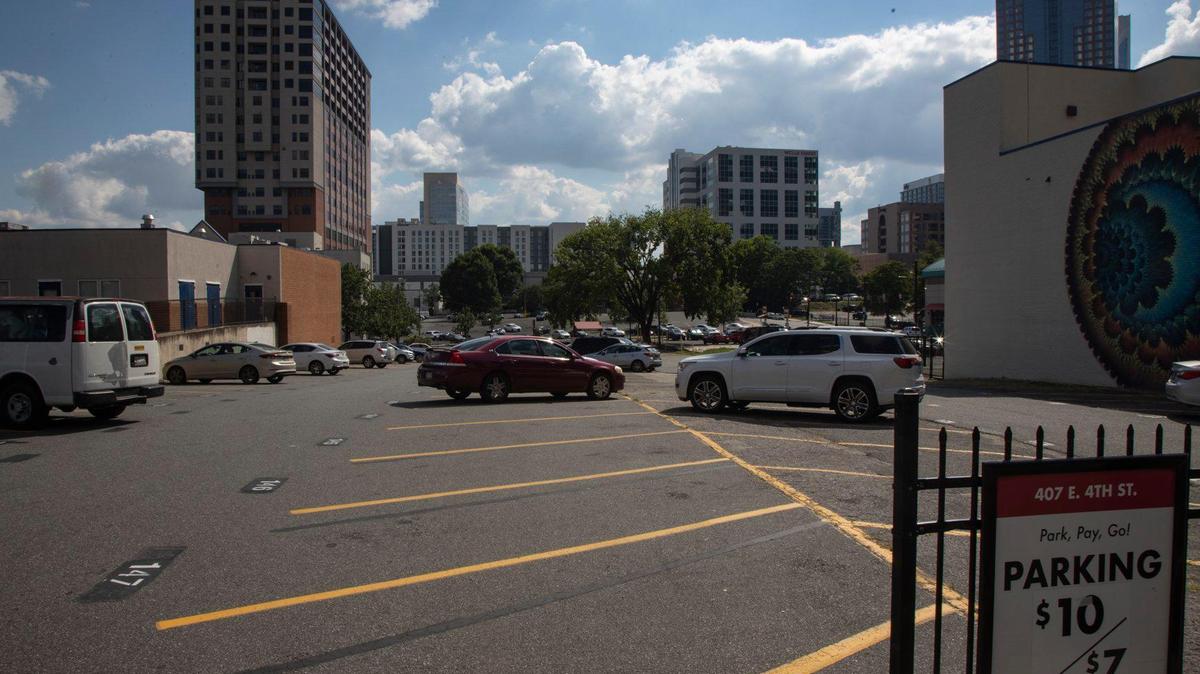
The public has a chance this week to help shape Charlotte’s growth into the future around one very big topic: parking.
Charlotte’s planning staff will hold a virtual listening session Thursday on parking space requirements for new development, part of the city’s overhauling of the regulatory tools that help guide growth.
This fall, the public got its first peek at the Unified Development Ordinance, a 608-page document that, among other things, lays out a series of new zoning districts, defines building design standards and regulates development. Parking standards are included here as well.
The city has been soliciting feedback on that first draft over the past several months. It’s also been holding listening sessions where planning staff covers a big topic like tree protections and then opens it up for comments from the public.
On Thursday, planning staff will go over parking. A quick look at the city’s website shows that there have already been about 30 comments submitted through an online portal about parking.
You can still register for Thursday’s sessions on parking to give feedback. City staff typically don’t answer questions during the session, but take notes to pass along to planning officials.
What does the UDO say about parking?
The first draft proposes a three-tiered parking system, which sets different levels of minimum and maximum parking requirements depending on whether you’re in a more residential, industrial or commercial part of the city.
The document emphasizes capping the number of parking spots — totals vary depending on the use — in the city’s most transit-oriented development districts. Those districts encourage higher-density growth and pedestrian-friendly development around transit stations.
The draft also includes standards for electric vehicle and bicycle parking.
First tier parking
The first tier includes most of the city’s residential zoning districts, from single family to multi-family duplexes and triplexes. It also includes areas zoned for manufacturing and logistics, large-scale campus environments such as educational or governmental and office and research campuses.
This first tier does not have a parking space maximum.
Parking space minimums in this tier depend on the type of residential unit or size of the commercial facility.
A single family home, for example, must have a minimum of two parking spaces per home, according to the UDO draft. A funeral home, on the other hand, must have one space per 500 square feet of gross floor area.
Raleigh and other cities like San Francisco are eliminating parking minimums, Alyson Craig, Charlotte’s interim planning director, posted on Twitter this week. “Should Charlotte? What uses (if any) should have parking mins or maxs?” Craig said in her post, encouraging feedback.
Last year, the News & Observer reported parking minimums — based on how many people live, work or shop at a development — have long been standard in cities.
Many cities like San Francisco, Portland, Oregon, and Minneapolis have done away with parking space minimums and capped how much parking can be added to new development in an effort to reduce vehicle emissions, the newspaper reported.
Second, third tiers for parking
There are both parking maximums and minimums for parking spots in the second and third tiers, although most uses in the third tier do not include minimums.
The second tier includes one zoning district intended for the development of multi-family and townhome units. It also includes “innovation mixed-use” zoning, which are industrial areas transitioning to having a broader mix of uses like commercial and residential. This tier also contains commercially zoned districts.
Again, the amount of parking spaces required depends on various uses being developed.
The UDO sets minimums and maximums on everything from a food pantry and homeless shelter to a correctional facility.
The third tier includes all four of the transit-oriented zoning districts. It also includes “uptown core” and “uptown edge,” two zoning districts in and near intense mixed-use growth happening in Charlotte.
There are a handful of parking minimum requirements in this tier. Any live performance venue, for example, would have to have one parking space per 500 square feet of gross floor area plus half of any outdoor space. The same applies to a nightclub and restaurants and bars.
Electric vehicle charging stations
The first draft of the UDO also lays out requirements for three different types of electric vehicle charging stations.
The requirements apply to new parking lots and structures, multi-family units like apartment buildings, the residential components of mixed-use developments and hotels.
If a location has more than 50 spaces of off-street parking, for example, 10% of spaces need to be “EV-ready.”
Bicycle parking
The UDO also calls for varying amounts of required bicycle spaces in certain commercial and residential uses. It requires one space perfive units in a multi-family dwelling like an apartment building.
The draft requires bicycle parking for new construction of a principal building, meaning a building that is the primary use of the lot.
How to register for UDO session
There will be two sessions on Thursday, one from 12 p.m. to 1 p.m. and another from 6 p.m. to 7 p.m. You can visit charlotteudo.org and scroll down to the register for virtual listening sessions link. You’ll need to plug in your name and email address, and whether you wish to speak at the meeting.
This story was originally published March 9, 2022 at 3:06 PM.