What’s behind the ‘tsunami’ of 20,000 apartment units being built in the Charlotte area?
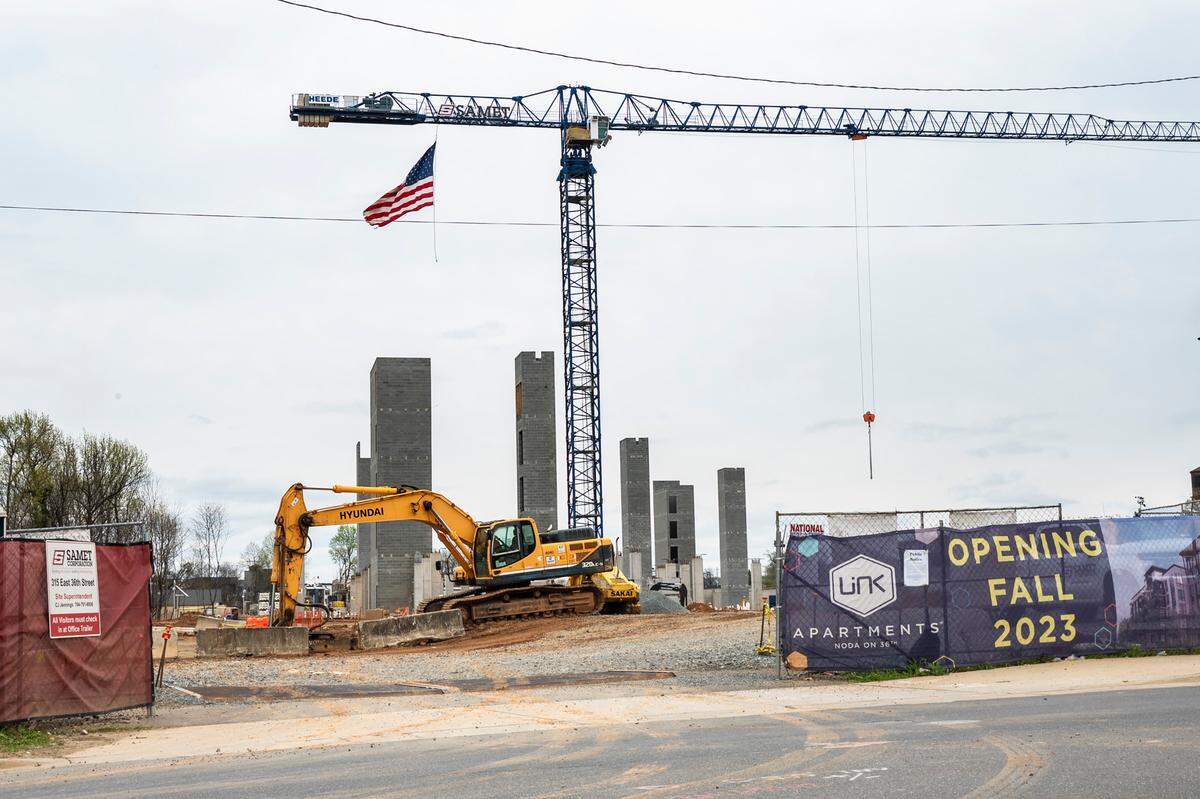
Last March, construction began on 235 apartments along East 36th Street in Charlotte’s NoDa neighborhood. A few months later, in June, work started on another apartment project just steps away.
By next year, that project will bring 534 apartments. The work is centered around the LYNX Blue Line’s 36 St. light rail station, near the heart of NoDa’s bustling core of residential units and businesses.
The nearly 800 apartments are part of a record wave of apartments that are being built in the Charlotte area today. One developer likened it to a “tsunami” of new apartments coming to the area.
There are nearly 20,000 units under construction, according to CoStar Group, a real estate research firm. That set a record dating back to the year 2000.
There were less than 5,000 apartments under construction at the start of 2006, according to data shared by CoStar Group director of market analytics Chuck McShane. Today, there are 195,781 existing apartments in the region, McShane said.
The data look at the Charlotte Metropolitan Statistical Area, which includes Mecklenburg and the surrounding counties of Rowan, Iredell, Lincoln, Gaston, Cabarrus and Union in North Carolina and York, Chester and Lancaster in South Carolina.
Charlotte bucks trends
Most of the new construction was in Mecklenburg, McShane told The Charlotte Observer, though increasingly new apartments are popping up in other counties too.
Rowan County, for example, recently saw its first apartment project groundbreaking in 13 years, a result of adding thousands of new logistics and distribution jobs, according to a report from McShane.
The growth can be attributed to a number of factors, McShane and one veteran Charlotte developer said.
The region has continued to attract new college graduates. The 20-something population grew by nearly 9% over the past five years, McShane’s report stated. That’s happened even as the millennial generation has aged into their 30s and began eyeing home ownership.
Some cities have seen more growth trends shifting to the suburbs, while having harder times attracting younger people. “Charlotte has bucked that trend in a lot of ways,” McShane said.
Charlotte also has benefited from investments in its airport and the Blue Line light rail, said McShane and the developer, Clay Grubb, CEO of Grubb Properties.
In South End, for example, there are 2,000 units under construction. That growth has followed the Blue Line as it expanded north to the University City area where McShane said there are about 3,000 units being built today.
“You just see what’s happened in South End and the power of that is really tremendous,” Grubb said.
Capital flows south
The COVID pandemic scared the development and investor community out of larger markets like New York City, Grubb said. That’s where you would typically see the bulk of construction going on.
That capital, he said, “flooded” the southeast in cities like Charlotte, Raleigh, Atlanta and Nashville, Tennessee.
But impacts are still lingering.
The pandemic put construction pricing out of whack, Grubb said. Two months ago, he was set to start construction on the second phase of the apartment project on E. 36th Street in NoDa.
But Grubb paused it until lumber prices dropped down. Construction on the second phase started a couple weeks ago.
Grubb is excited about that project because of its proximity to the light rail.
He intentionally reduced the number of on-site parking spots because of the nearby transit system. That resulted in millions of dollars in savings, meaning the company can charge less in rent.
It’s also a safe bet for investors, Grubb said.
“We tell investors it will be more resilient because it will be safer because value doesn’t go out of vogue,” he said, referring to the money tenants will save on lower rents.
Other developers appear to agree.
Right up the street, The Community Builders, a national developer that focuses on mixed-income and affordable housing developments, is investing $50 million on the NoDa Wandry project.
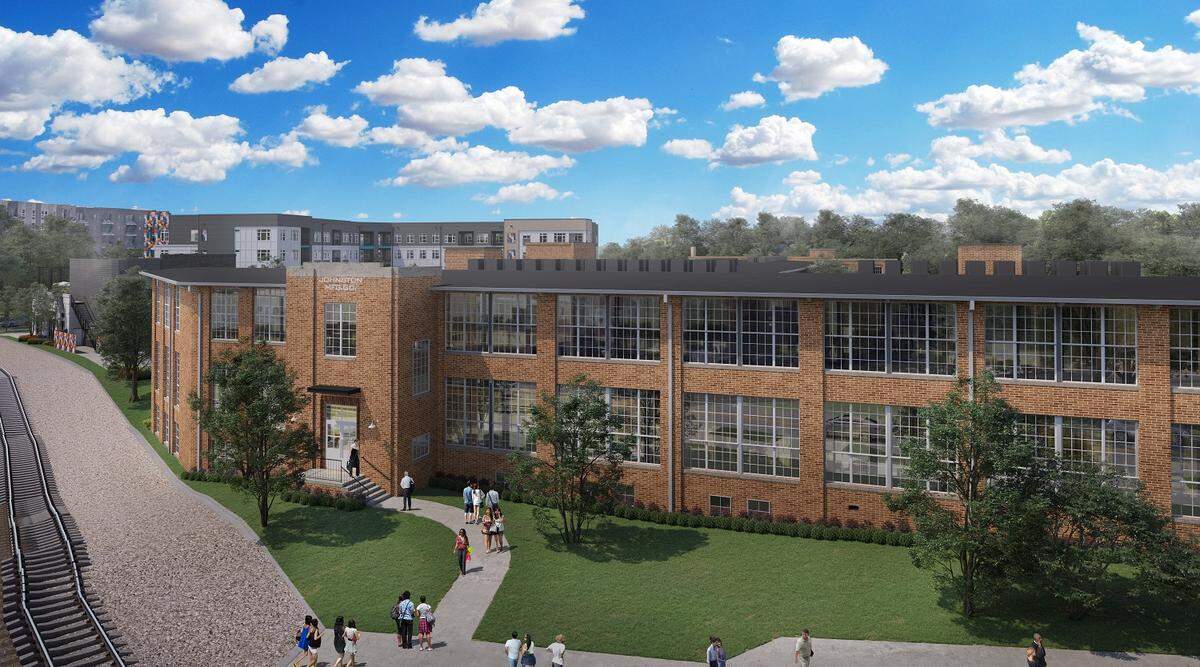
Construction is well underway and will include 235 apartments, including 151 newly-built units. The redeveloped former Johnston Mill building on North Davidson Street will have 84 more apartments.
New apartment starts are down
The Charlotte area also saw a record number of new apartment construction starts, which tend to follow the construction pipeline increase.
Construction starts are a count of when construction begins on a project, and are only counted once, McShane said. After construction starts, the units are considered under construction until they’re complete and then become part of the existing inventory.
A total of 5,000 units broke ground in both late 2021 and the first three months of this year, a new record for the region, according to CoStar Group.
But the number of new construction starts began to decrease since the start of the year.
In the first quarter of the year, there were about 4,900 apartment units that started construction. By April and May, that number dropped significantly to about 1,400 new units started.
Developers are seeing the amount of supply underway and are not wanting to over deliver on the number of units being built, McShane said.
There is also some economic uncertainty with rising interest rates.
“We’ll see the record level of construction delivered over the next two years but there probably will be lower levels of under construction apartments beyond that,” McShane said.
Rents are averaging $1,590 a month, up a little more than 14% compared to the year before, according to CoStar.
This story was originally published July 19, 2022 at 2:21 PM.