2 Cornelius houses saved forever — and bring threatened arts program with them
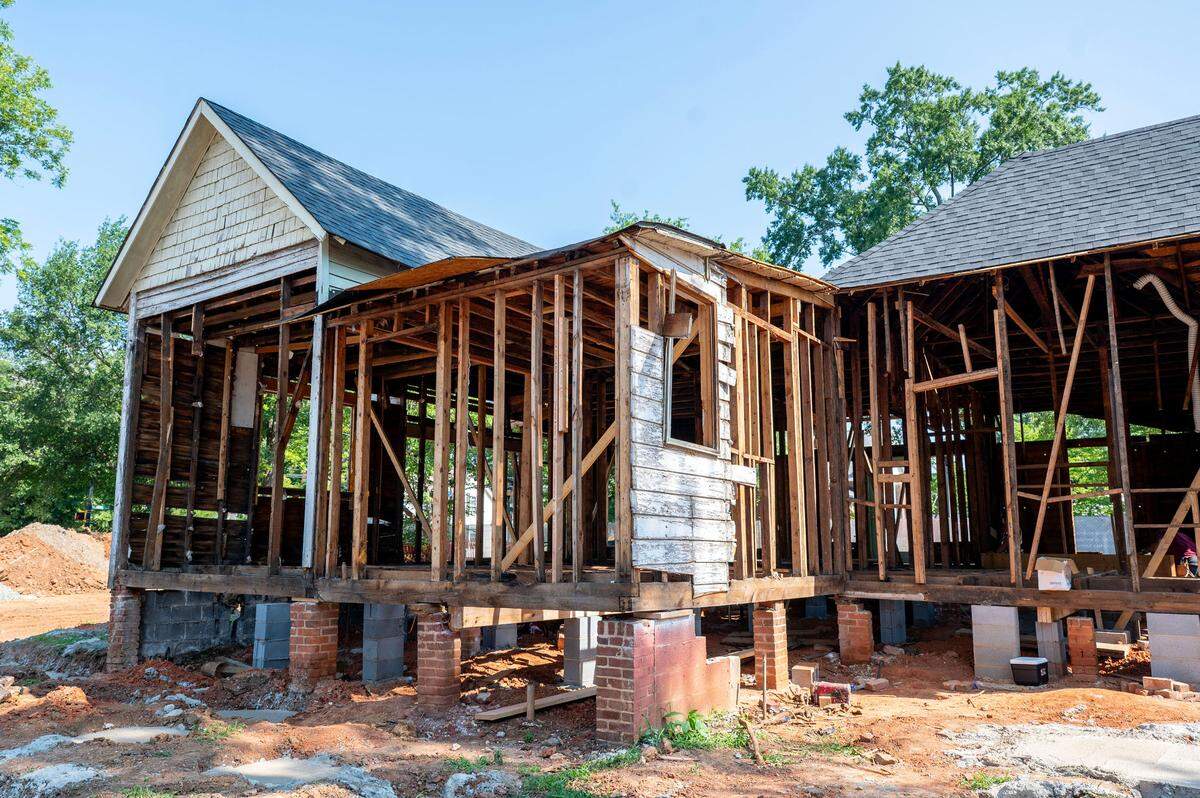
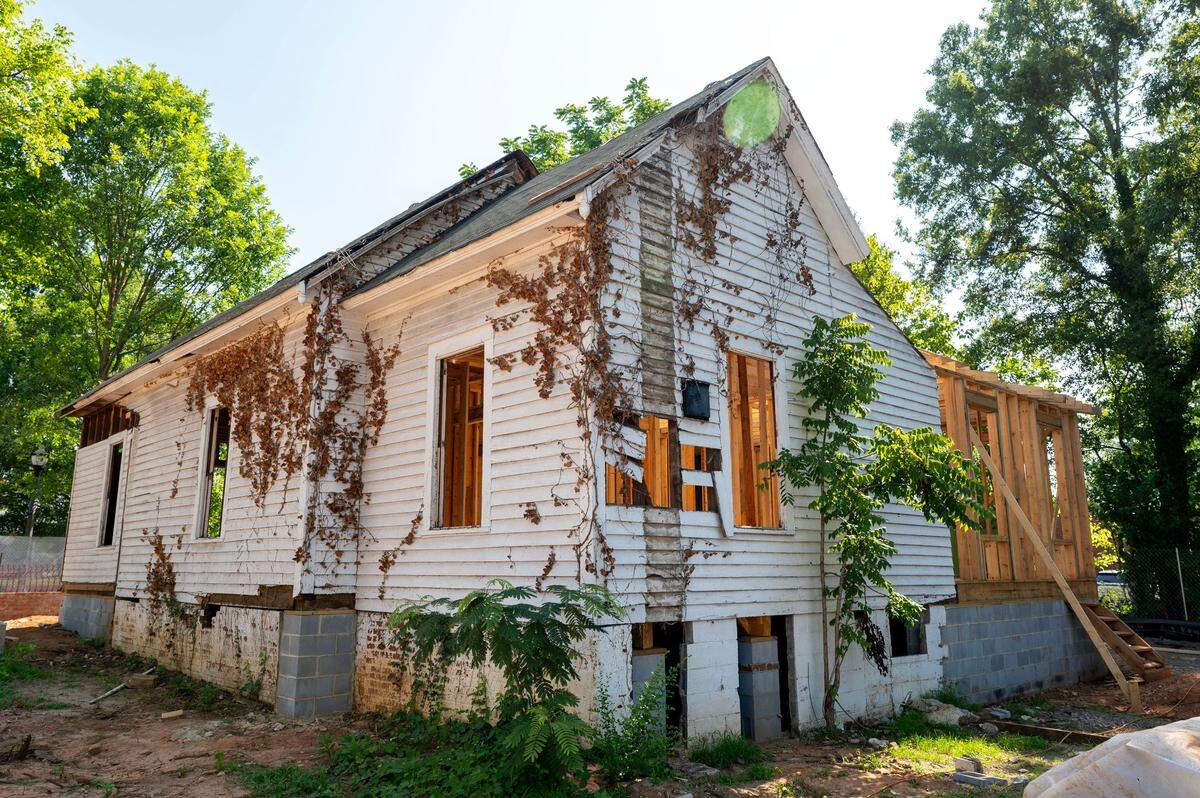
Two houses, each over 100 years old, are being gutted in Cornelius. But thanks to a partnership between two nonprofits, they’re also being preserved, along with a treasured arts program.
The Cain Center for the Arts learned that its ceramics studio in the Oak Street Mill was at risk from a redevelopment of Cornelius’ downtown. At the same time, two historic houses went on the market.
So the Cain Center partnered with Preserve Mecklenburg, purchased the two houses and adjacent land for $863,163, and agreed never to tear them down.
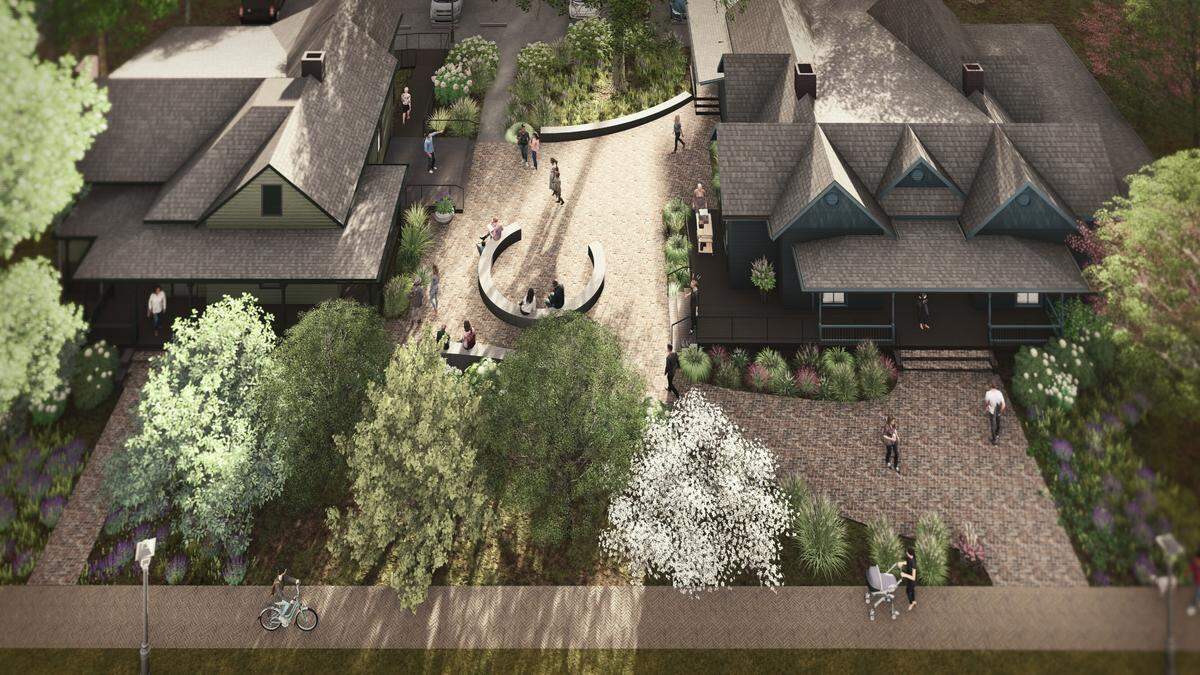
The Perry Goodrum and the Gabriel-Puckett houses are being updated on the inside but will maintain their historic Queen Anne style on the outside. The Cain Center named the project “Sculpting the Future”.
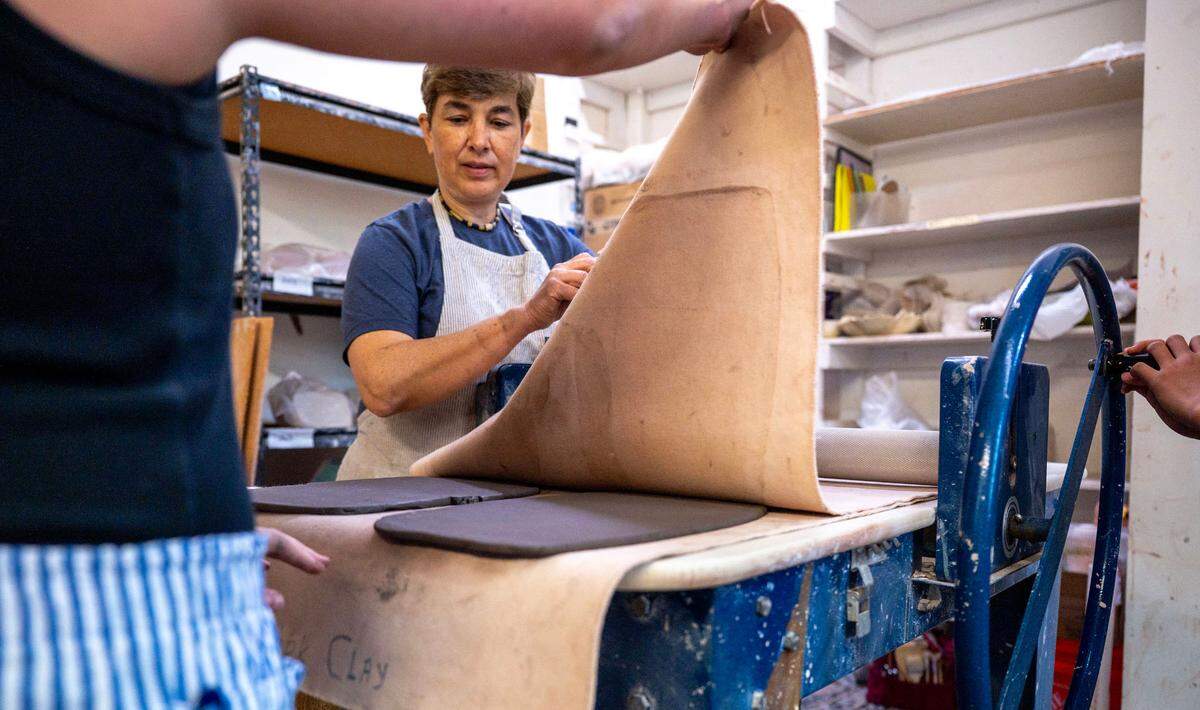
“This will give a permanent home to the ceramics program and allow us to grow that program more and offer new types of ceramics programming for the community here and beyond,” Justin Dionne, executive director at the Cain Center, said.
The houses were built during the town’s rapid growth in the early 1900s. Cotton mills had just been established and people were flocking to the town to work there, Dan Morrill, administrative consultant to Preserve Mecklenburg, said.
In between the two houses will be a public courtyard space and the third property will become a public park.
“What’s significant about it too is that it’s incorporating the arts and the arts are a very important part of the language of preservation in that it helps provide a platform into the future and helps people connect and grow with the town,” said Michael Jeffcoat, director of development at Preserve Mecklenburg. “The Cain Center was the perfect partner for us.”
The Cain Center anticipates opening the additions to the center in May 2026. The Center has raised $2 million toward a $5 million goal.

Dionne believes this initiative is beneficial for the community and serves the center’s mission.
“Our vision for this ceramics building is to create a regional hub for ceramics up in regions beyond Charlotte, “ Dionne said. “But also for us as an organization, we still have that commitment to improve the downtown Cornelius community. This will help extend the Cornelius Arts district.”
He says this is a positive development. “We’re not coming down and tearing something down and putting up something that doesn’t match. You know, it’ll continue to be used for community uses and it will help to continue to grow the downtown.”
“It would have been 100% easier to tear these (houses) down and rebuild them. It would have been a million times easier and cheaper but that was where that partnership came in with Preserve Mecklenburg.”
Ceramics importance in Cornelius
The Cain Center for the Arts opened January 2023 as a place for performing arts, visual arts, and social experiences in the Lake Norman region.
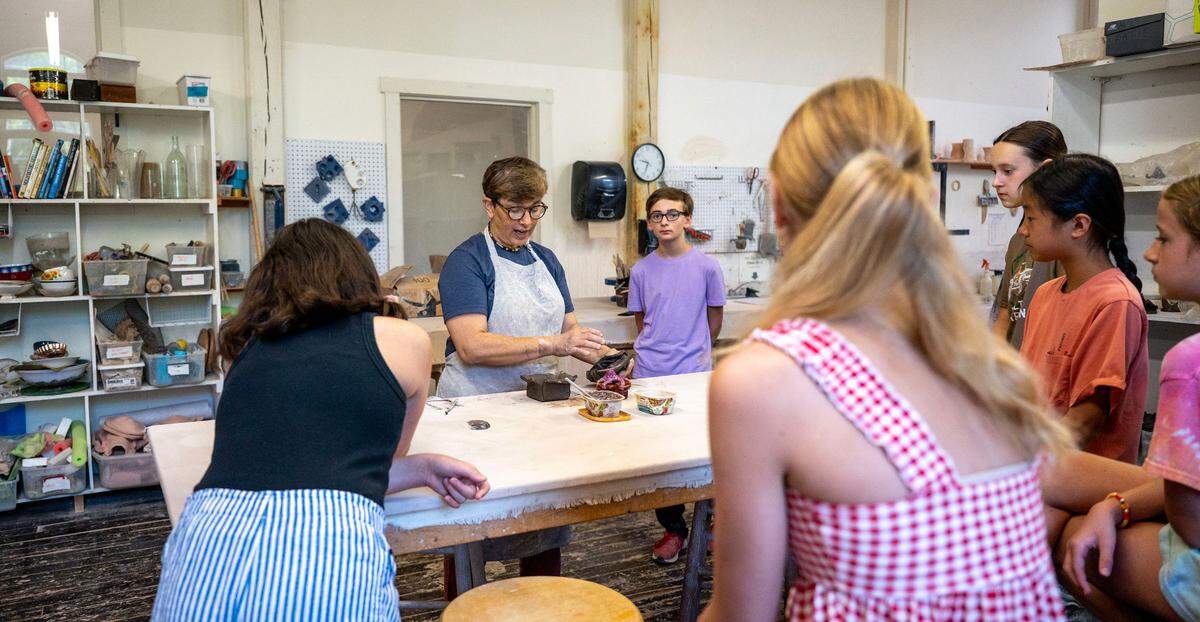
When the nonprofit center began, it took over the Cornelius Arts Center ceramic program located in Oak Street Mill that was run by the town’s parks and recreation department. This program was part of the community for around 20 years.
Within six months, the center discovered that the lease for the ceramics building would not be extended because of the development of Oak Street Mill.
The Cain Center’s pottery studio lease was extended to November to accommodate the classes during construction.
History of the houses
Cornelius exudes a small-town charm, Jeffcoat said. The Perry Goodrum and the Gabriel-Puckett houses are “like the gateway or the entrance to that feeling,” he said.
The Gabriel-Puckett House was built in 1905 and is named after the first owner, Charles Deames Gabriel.
The other namesake, William Puckett, resided in the house from 1911-1933, according to the Preserve Mecklenburg website. He was mayor of Cornelius from 1925 to 1926, according to the Charlotte Mecklenburg Library, and a store owner.
Storekeepers were well known in the community during the early 20th century, Morrill said, “because people would go there to buy everything from a shovel to some ham.”
Perry Goodrum was manager of the Cornelius Cotton Mill, according to Historic Charlotte.
He died around five years after he moved into the house on Catawba Avenue from typhoid fever, likely contracted from a contaminated water well, Morrill said. However, his family owned the house until 1989.
Morrill said these two houses are “important elements of the evolution of Cornelius,” despite their lack of official historic designation.
“They were just distinctive houses, and important elements of the history of the town,” he said.
Preserve Mecklenburg doing preservation differently
Many historic preservation organizations craft solutions that only preserve the structure but Preserve Mecklenburg also develops the surrounding land, Jeffcoat said.
Jeffcoat described two other projects where the properties had a historic house along with land around the house.
“In the past, somebody would save the house and then nothing would come of it,” he said. “So our difference is that we took both of those projects and we created sensitive infill of newer houses around the old historic house. What we were able to do is generate $44 million in new house sales, $2.6 million in local real estate commission for the agents and more than $1 million in annual tax revenue.”
“We approach it in a more holistic way for the community,” he said.
The Cain Center project is another example.
“It is going to be a stunning innovative example of development,” Morrill said, “to show how with some flexibility you can make those things that remind you of the small town feel of Cornelius survive.”
This story was originally published June 27, 2025 at 6:00 AM.