
Here’s what new NC COVID-19 restrictions mean for Charlotte grocery, retail stores
North Carolina Gov. Roy Cooper announced new measures to the state’s stay-at-home order for grocery stores and retailers Thursday that will limit the number of people inside.
Effective Monday at 5 p.m., stores must limit the number of people inside to no more than 20% of the stated fire capacity or five people for every 1,000 square feet, Cooper said.
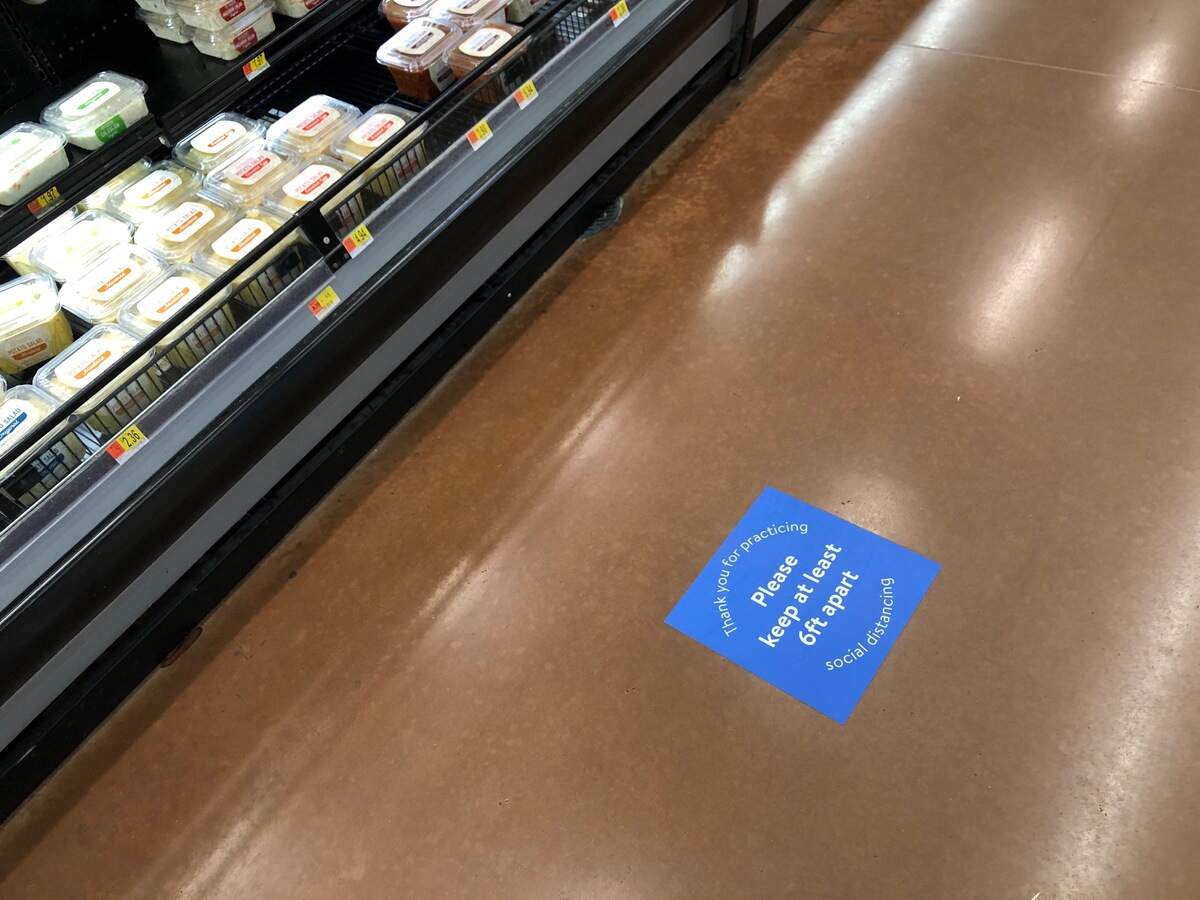
Stores must also mark 6 feet of distance at places where people need to gather, like checkout lines, and they must perform frequent environmental cleaning and routine disinfection.
But some Charlotte-area stores already have been practicing such moves.
On Wednesday, for instance, Matthews-based Harris Teeter announced it was stepping up measures to limit the number of customers in North Carolina stores to 50% capacity.
Also Thursday, shortly after Cooper issued his order, Harris Teeter confirmed that one of its worker at the Arboretum location in Charlotte has tested positive for COVID-19.
Walmart, Target and Bi-Lo began capping customer numbers Saturday, and Trader Joe’s stores started limiting the number of customers in stores last month.
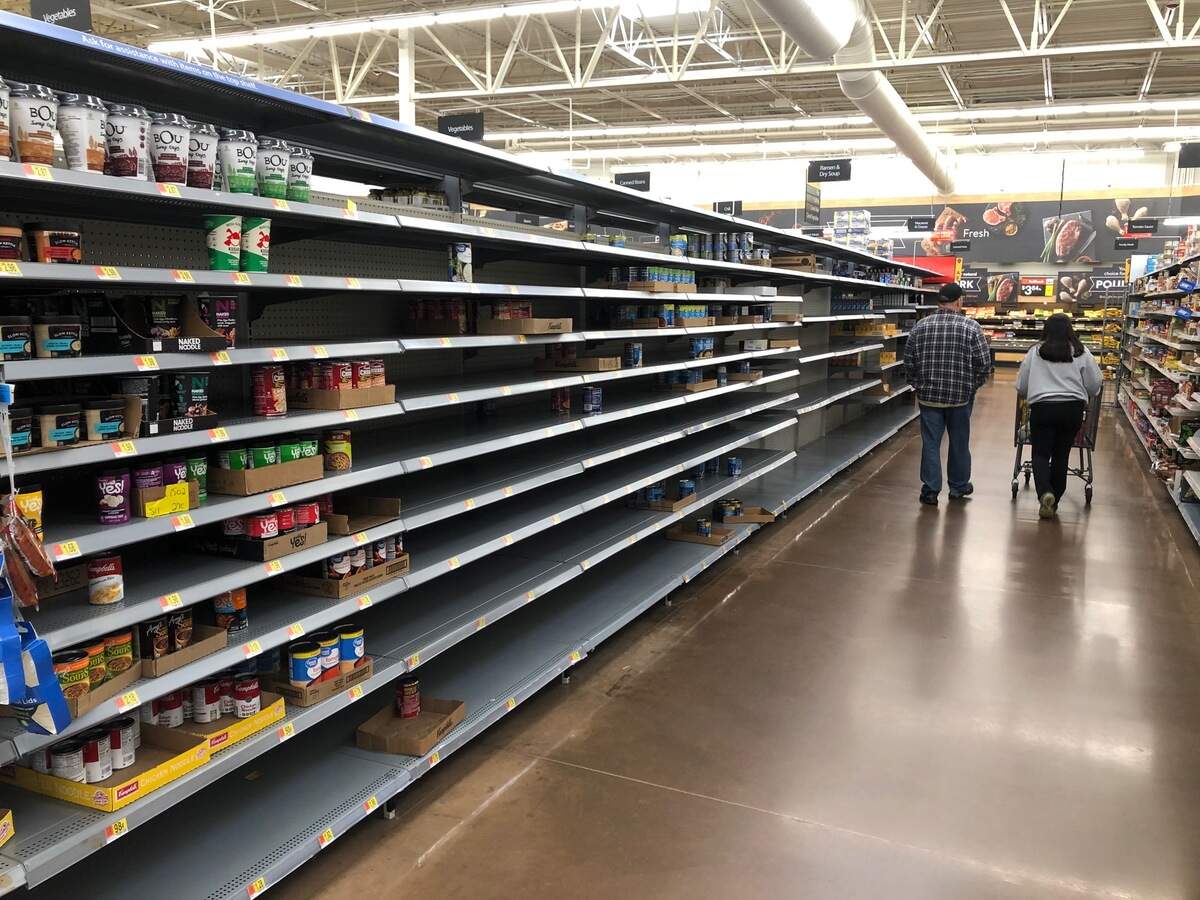
All major grocery stores in the Charlotte area also have added signs and measures, such as floor markers and cleared aisles, to encourage social distancing of the CDC’s recommended 6 feet.
“Even as we follow the stay at home order, there are still essential reasons to leave the house, like for groceries or medicine,” Roy Cooper said on Twitter. “We want to ensure that essential stores are as safe as possible for everyone so that no one is afraid to go out for basic necessities.”
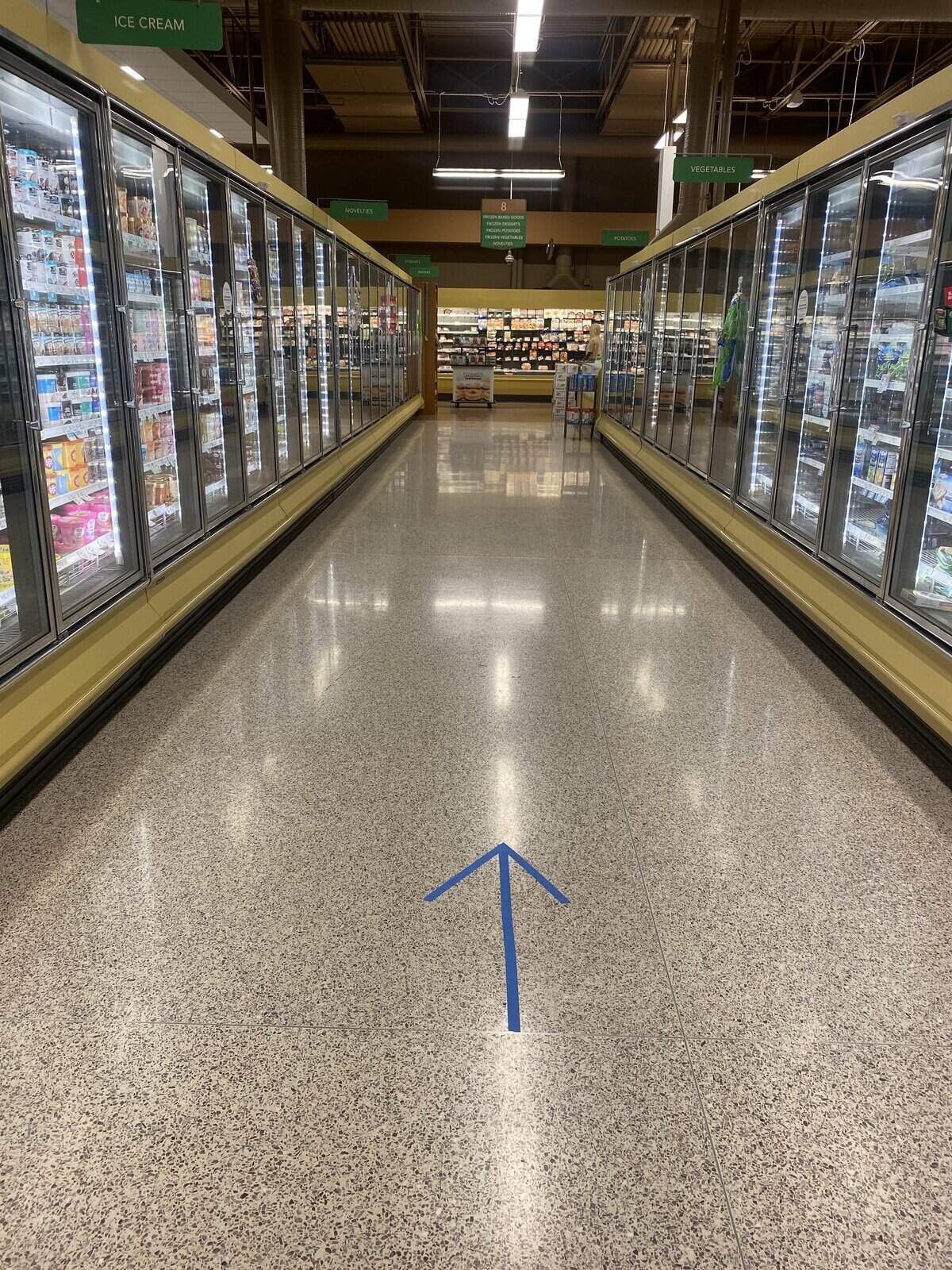
Stores are being encouraged to make hand sanitizer accessible, set shopping times for seniors and at-risk people, use shields at check out, and mark aisles as one-way to limit traffic.
“I know a number of stores have already taken steps like these, and I thank them,” Cooper said. “Our state is resilient, and we will get through this crisis together if we all do our part.”
Cooper’s order states these requirements will last for 30 days unless extended by further executive action.
Cooper said he expects all retail stores to comply with the order. Stores in non-compliance could be issued citations, which are a misdemeanor.
He also said the food supply chain is good in North Carolina.
“Only buy what you need,” Cooper said. “Get in and out as quickly as possible.”
Earlier changes
Mega retailers Walmart and Amazon, which includes Whole Foods Market, and grocer Bi-Lo have or will soon be checking employee temperatures. Fever is a symptom of COVID-19, the disease caused by the novel coronavirus, according to the Centers for Disease Control and Prevention.
Some stores also are beginning to offer contactless pay. Customers at Publix, Bi-Lo and Lidl use smartphones or contactless pay-enabled credit or debit card near a contactless-enabled device, rather than swiping or inserting a card into the PIN pad.
Walmart also is starting one-way shopping aisles to address social distancing, the company said online.
At Food Lion, only large carts are available. Where wipes may be unavailable, workers will wipe down carts before customer use, according to the company. That’s the practice at most grocery stores.
Like all grocers, pickup and delivery options are available but may be limited.
Grocery stores are deemed essential and can remain open under both Mecklenburg County’s stay-at-home order that started March 26 and is valid through April 16, and Cooper’s 30-day order that took effect March 30.
Staff writer Adam Bell contributed to this report.
This story was originally published April 9, 2020 at 4:33 PM with the headline "Here’s what new NC COVID-19 restrictions mean for Charlotte grocery, retail stores."