
NC brings in the National Guard to help test inmates for COVID-19
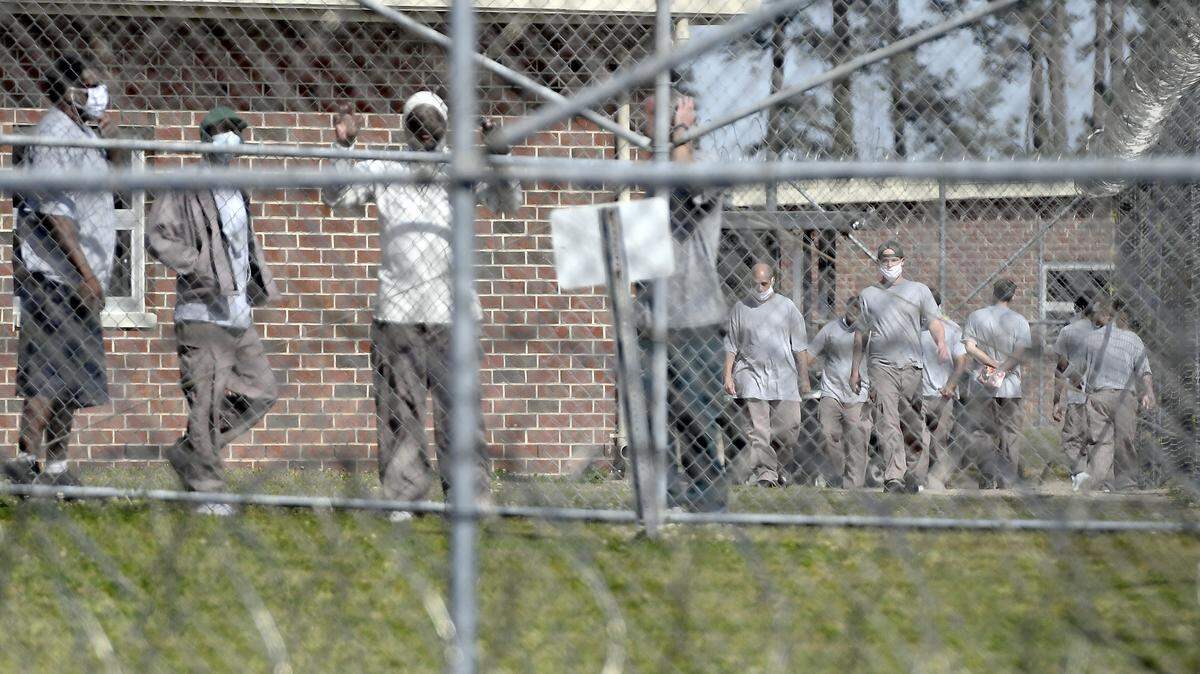
With mass COVID-19 testing underway at many of North Carolina’s prisons, the state has brought in the National Guard to help conduct the tests.
The North Carolina National Guard’s 42nd Civil Support Team — a full-time unit with expertise in chemical and biological detection — will help conduct tests in prisons across the state in coming weeks, according to state Department of Public Safety spokesman John Bull.
The National Guard unit began that work on Wednesday, helping test inmates at the North Carolina Correctional Institution for Women, in Raleigh — the site of the state prisons’ second largest known outbreak. More than 220 inmates at that prison have tested positive for the coronavirus so far, according to DPS data.
The largest outbreak happened at Neuse Correctional Institution, in Goldsboro, where more than 460 inmates tested positive in April.
In late June, state prison officials announced that they would test each inmate for COVID-19. That followed a ruling by Wake County Superior Court Judge Vinston Rozier, who ordered the state to submit a plan for testing all prisoners.
The judge’s ruling came in response to a lawsuit filed by the ACLU of North Carolina, the NAACP and other civil rights groups, who argue that the actions of prison leaders have left inmates vulnerable to contracting the virus.
So far, the state has conducted mass testing at 14 of the state’s 53 prisons, according to an email that Bull sent to the Observer on Thursday.
“With the additional support from the Guard, the Department is hopeful that it can complete system-wide testing within the next 30-days, barring any unforeseen circumstances,” Bull wrote.
About 8,200 of the state’s 32,000 inmates have been tested for the virus so far — and more than 1,000 of them have tested positive, according to DPS.
Five state prison inmates have died from COVID-19. At Caswell Correctional Center, about 40 miles northeast of Greensboro, nurse Barbara Stewart also died from the disease on May 7.
More than a third of the state’s prisons have had at least two confirmed cases of COVID-19.
COVID-19 and other infectious diseases tend to thrive in prisons because inmates live so closely together. And those diseases endanger more than inmates and prison employees. That’s because employees can carry the virus to their families and communities.
This story was originally published July 10, 2020 at 1:11 PM.
.JPG)