Do all kids spread COVID equally? Babies and toddlers do it the most, study finds
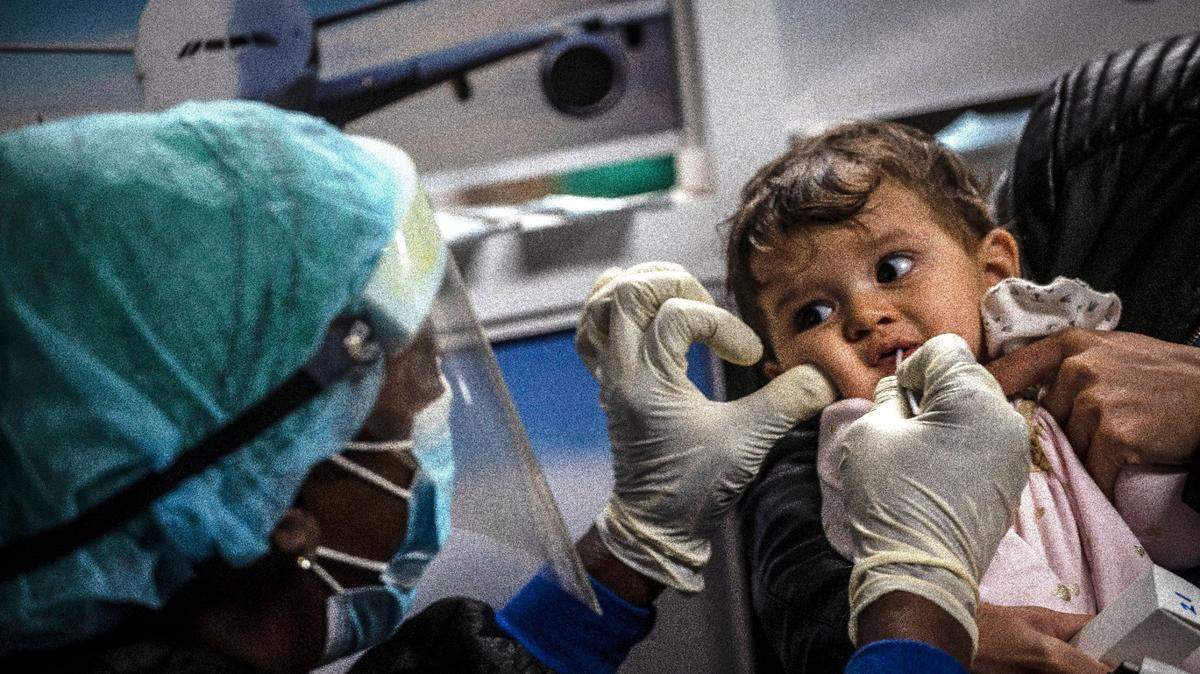
Children who are 3 and younger may be more likely to spread the coronavirus to siblings and caregivers in their home than older children, according to a new study.
The findings, published Monday in the journal JAMA Pediatrics, are particularly sobering now that pediatric COVID-19 cases are at their highest since the pandemic began — and as a new school year begins. They also upend long-standing assumptions that kids are less likely to spread the coronavirus just because their chances of becoming seriously ill are lower than adults.
The study does not suggest, however, that children are more contagious than adults.
“In some ways, this is the opposite of what we had been told in the past. It just shows how humble we have to be when it comes to children and this virus,” Dr. Edith Bracho Sanchez, a primary care pediatrician and assistant professor of pediatrics at Columbia University Irving Medical Center in New York, told ABC News. “We always knew children could get it, could transmit it, and could get sick with COVID. I think we’re learning more and more just how much.”
The researchers analyzed 6,280 Canadian households where the first coronavirus case in the home appeared in someone younger than 18 years old. (These first infections are called “index cases.”) Then, they measured how many members contracted the virus from the child in each home between June and December 2020.
Babies and toddlers were the most likely to spread the coronavirus to others in their home, even though they made up only 12% of the proportion of index cases included in the study. Children between 4 and 8 years old were the next most contagious, followed by kids aged 9 to 13 years old.
Teens between 14 and 17 years old were the least likely to spread COVID-19, although they made up the majority (38%) of index cases.
Why might babies and toddlers spread the coronavirus more easily?
Viral load, or the amount of virus found in someone’s upper airways, is suspected to play a role in how easily the coronavirus spreads between people. Several studies have found that younger kids may have higher viral loads than adults.
One study published in July 2020 found that children younger than 5 years old can hoard up to 100 times more virus in their noses than older children and adults, suggesting kids could be a significant driver of viral spread. But other studies didn’t find significant differences in viral load, so the theory may not best explain infectivity among kids.
Children are also less likely to show symptoms when infected, so caregivers may not know to get them tested, suggesting estimates about rates of transmission among kids may be underestimated.
Another possible explanation is that babies and toddlers require more close contact care when they’re sick than older kids, increasing the likelihood their caregiver contracts the virus.
But there are ways to lower chances of infection in homes with sick, dependent kids.
“People who have parented young toddlers are pretty used to having spit and drool on their shoulders. There’s no getting around that,” Dr. Susan Coffin, an infectious disease specialist at Children’s Hospital of Philadelphia, told The New York Times. “But using tissues, throwing away tissues, cleaning hands immediately after helping wipe your child’s nose are all things that a parent of a child who’s infected or maybe infected can do to help limit the spread within their household.”
This story was originally published August 17, 2021 at 4:48 PM with the headline "Do all kids spread COVID equally? Babies and toddlers do it the most, study finds."