
Overstreet Mall’s hope for return of uptown workers ‘kicked back down again’ by COVID
You wouldn’t be able to spot Ami Patel’s storefront walking down South College Street in uptown Charlotte — her shop, Overstreet Market, is tucked inside the One Wells Fargo Center.
That secluded location used to be good for business: five days a week, 42 floors of office workers would stream past Patel’s storefront, many stopping in to pick up a bottle of wine or a gift on their way.
But when Wells Fargo employees started working from home in spring 2020, Patel lost most of her customers. Nearly 18 months later, she has yet to see her business bounce back.
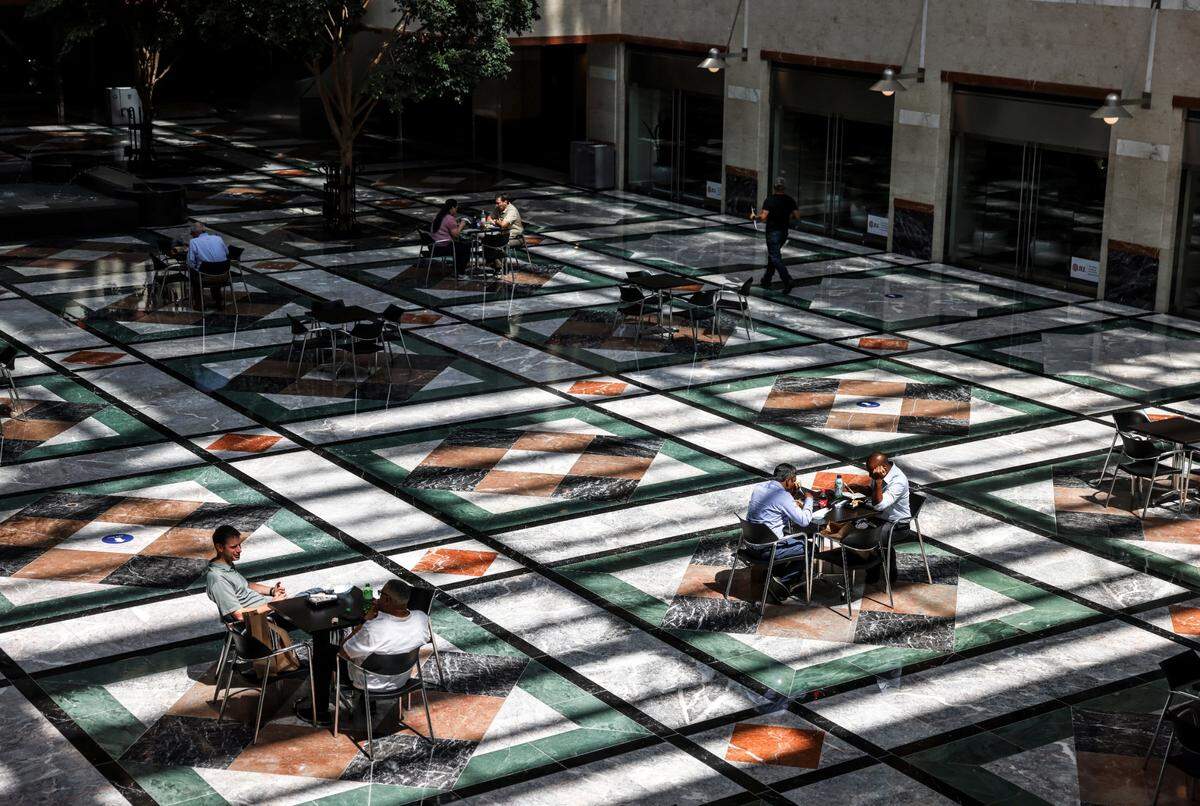
Like many tenants in uptown Charlotte’s Overstreet Mall, Patel relied on in-person work to bring customers to her door. When the city’s largest employers went remote, the strip of shops, restaurants and skywalks connecting some of the city’s largest office buildings emptied.
Before the pandemic struck, uptown employers brought thousands of workers into the center city each day. Bank of America and Wells Fargo alone account for some 43,000 combined employees in Charlotte, many of whom work in the office buildings that the mall connects.
Patel spent the summer looking forward to Labor Day, the date that Wells Fargo and other big employers had set for a broad return to in-person work. Then COVID cases soared, the delta variant spread rapidly through Mecklenburg County and local companies began adjusting their plans.
Now, the mall’s local businesses are in limbo again, knowing sales will be hobbled until workers flood the halls once more.
“We’re really, really hurting,” Patel said. “ I don’t think our business will survive unless people come back for their work.”
‘We’ve gotten kicked back down again’
Much of uptown Charlotte is anchored by the city’s largest office towers, from the Bank of America Corporate Center to the Duke Energy building.
That can be an asset, said Michael Smith, president and CEO of Charlotte Center City Partners, by creating a center of economic activity for the city and making it easier to design transit networks.
But it also concentrated some of the pandemic’s worst economic effects in one place, he said.
It wasn’t just the mall that lost foot traffic, said Johnny Bitter, owner of Johnny Burrito, a Mexican take-out spot in the Two Wells Fargo Center.
“There were times during that year and a half you could roll a bowling ball down the sidewalk (in uptown) and not hit anybody,” he said.
During a busy lunch hour before the pandemic, Bitter’s staff would serve a line 40 people deep for hours at a time. He hasn’t gotten close to those sales since, he said.
Still, business picked up in the height of summer, when COVID case numbers were low and some workers returned. But in the last few weeks, he said, sales have dropped some 20%.
“I sort of had my hand on the top of the hole that we were in and could see over a little bit,” Bitter said. “Now all of a sudden, it’s like we’ve gotten kicked back down again.”
Meanwhile, some of his restaurant colleagues in the suburbs tell him their sales are better than they were in 2019.
New Creations Salon, near the mall’s entrance at 101 S. Tryon St., experienced a similar dip in business. “We saw a pretty big influx at the beginning of the summer,” said manager Elizabeth Cunningham. “But it seems to be dwindling a bit more.”
Some clients make the drive into uptown to see their regular stylist, she said, but walk-in appointments have dropped off — and it’s still strange to stand at the salon’s front desk and look out onto an empty hallway.
“We used to have thousands of people walk by here every day,” she said. “We are anxiously awaiting getting those people, those bodies, back into uptown.”
‘A rollercoaster ride’
Last month, Lynn Broadway of The Beehive Gifts was also eagerly looking ahead to Labor Day. There was one surefire sign, she said, that customers were coming back to the mall.
“Today, for the first time since last March of 2020, there was a line for Chick-Fil-A,” she told the Observer on July 29. That week was the busiest the Beehive had been in months, enough that the shop’s three-person team considered expanding their hours.
Now, they have a more reserved outlook.
“It’s been such a rollercoaster ride,” owner Teresa Farson said last week. “We’ve decided let’s just keep going a day at a time and hope for the best.”
In early August, Truist Bank paused its return to office plans in Charlotte over rising concerns about the continued spread of COVID-19. A few days later, Wells Fargo confirmed it too would postpone its plans to bring workers back to the office.
Other employers across the country have made more drastic adjustments. Companies like Apple and Amazon have said they won’t bring employees back to the office until early 2022.
And Charlotte imposed a citywide mask mandate on Aug. 18, meaning that all in-person employees would be required to wear a face covering while indoors.
Wells Fargo is set to bring employees back to the office beginning Oct.4 — but Patel isn’t hedging her bets on things getting back to normal anytime soon.
She had hoped for a busy holiday shopping season that would help her store recover from eighteen months of crippled sales.
“But I don’t think it’s going to happen,” she said.
Staff writer Daniel Egitto contributed.
This story was originally published August 25, 2021 at 1:54 PM.