COVID long-haulers at risk of kidney damage — even those who had mild cases, study says
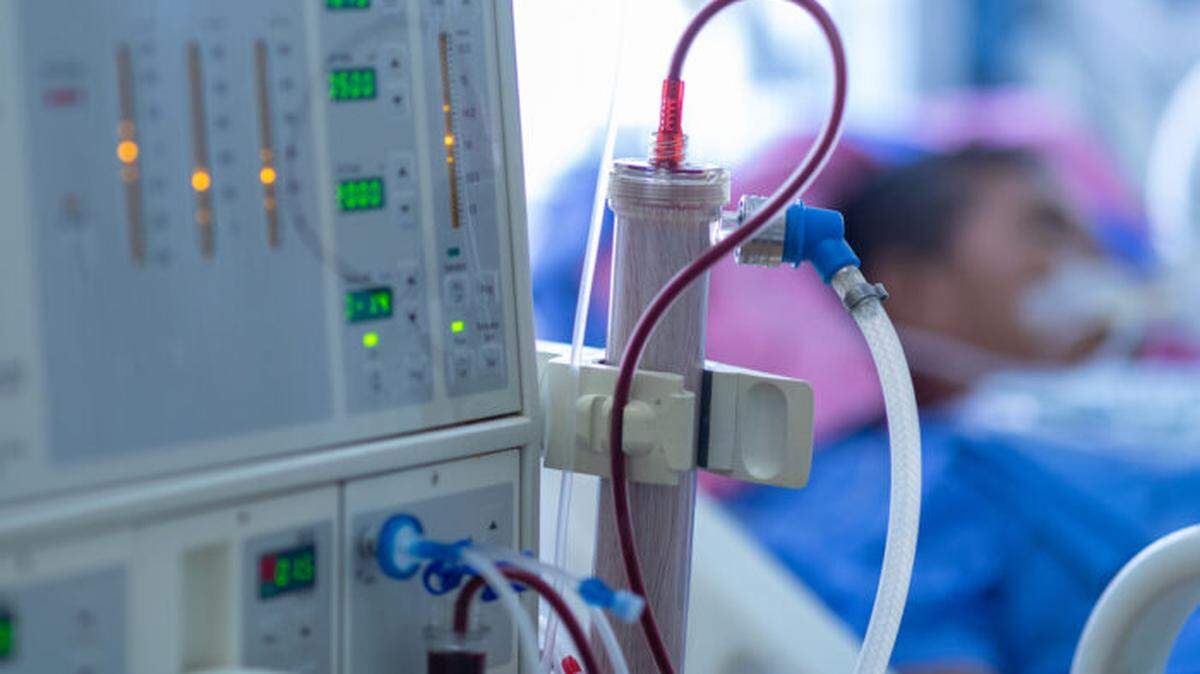
Long-haulers, people who deal with COVID-19 symptoms weeks or months after their infection subsides, may be at risk of kidney damage, according to a new study — a risk that is significantly higher for coronavirus patients who were hospitalized and one that exists even for those who had mild infections.
Based on medical records of more than 1.7 million people, the new research suggests about 510,000 Americans who have contracted COVID-19 may have kidney injury or disease. And most of them may not even know it.
Kidney disease is often dubbed “the silent killer” because symptoms don’t usually appear until treatment is rendered useless. The American Kidney Fund estimates 96% of people with mild chronic kidney disease are unaware of it, along with 48% of those with severe cases.
Of those in the study’s data pool, 89,216 people had COVID-19 between March 2020 and March 2021.
Patients who were infected but weren’t hospitalized had a 15% higher risk of developing kidney disease, a 30% higher risk of experiencing acute kidney injury, and a 215% (or more than two times) higher risk of end-stage kidney disease. That’s when your kidneys can no longer remove waste from the body as they should; dialysis or an organ transplant is needed to keep these patients alive.
Risks worsen dramatically for COVID-19 patients who are hospitalized, and even more so for those admitted to an intensive care unit.
ICU patients included in the study were seven times more likely to develop kidney disease, eight times more likely to experience acute kidney injury, and 13 times more likely to come down with end-stage kidney disease.
Yet, “the risk is not zero for those who had milder cases,” study senior author Dr. Ziyad Al-Aly, an assistant professor of medicine, said in a statement. “In fact, it’s significant. And we need to remember that we don’t yet know the health implications for long-haulers in the coming years.”
The research was based on medical records from the U.S. Department of Veterans Affairs, so the majority of patients were men in their late 60s. But the team also analyzed data on 151,289 women, including 8,817 who had COVID-19. Still, the study’s findings may not be as generalizable to the public because of the gender disparity, the researchers say.
The Washington University School of Medicine team says its findings emphasize the need to check coronavirus patients’ blood for signs of kidney damage during post-COVID-19 medical follow-ups, otherwise doctors “will miss opportunities to help potentially hundreds of thousands of people who have no idea that their kidney function has declined due to this virus,” Al-Aly said.
The study was published Wednesday in the Journal of the American Society of Nephrology.
Blood tests that check levels of creatinine — a waste product that kidneys filter out and discard into urine — also found that 4,757 patients lost 30% of their kidney function within a year after their infection.
That’s equal to about “30 years of kidney function decline,” Dr. F. Perry Wilson, a kidney doctor and associate professor of medicine at Yale University who was not involved in the study, told The New York Times.
And for those who were hospitalized and admitted to the ICU, the risk for a 30% or more decrease in kidney function jumped twofold and threefold, respectively.
It’s normal for kidney function to decline with age, but the “decline we’ve observed in these patients is not graceful aging,” Al-Aly said. “It is not normal anything. It is definitely a disease state.”
The National Kidney Foundation urges people with advanced kidney disease, including transplant and dialysis patients, as well as people taking immunosuppressive medications for their condition, to get vaccinated against COVID-19.
The group also says these patients are eligible for a third dose of a COVID-19 vaccine to boost protection.
This story was originally published September 1, 2021 at 5:57 PM with the headline "COVID long-haulers at risk of kidney damage — even those who had mild cases, study says."