
COVID’s not going away soon, and it could become seasonal. Here’s what NC doctors say
As Mecklenburg County quickly approaches the two-year mark of life in the COVID-19 pandemic, North Carolina doctors are continuing to look ahead to the future of the virus.
Doctors say the complete disappearance of COVID is extremely unlikely. Instead, they hope the virus will become endemic — meaning it would move away from phases of big spikes in infections and toward a phase where the virus spreads in more predictable, manageable ways, Novant Health infectious disease expert Dr. David Priest said this week.
Moving to an endemic phase could mean COVID would become a seasonal virus, like influenza, which spikes in colder months, he said. Or it could become a year-round virus, just without big surges in spread.
Becoming endemic also would mean fewer hospitalizations and deaths due to COVID, based on widespread vaccination and natural infection.
That switch from a pandemic to an endemic virus is not out of reach, Atrium Health infectious disease expert Dr. Katie Passaretti said.
“A lot of people — and I don’t disagree — think that maybe omicron is a step on the way to the virus becoming endemic,” Passaretti said. “It’s a bit milder. It’s sweeping through, so people are getting infected and we’ll have some degree of natural protection.
“It’s my hope that it truly becomes endemic and something that we manage more routinely rather than this kind of never-ending emergency situation in 2022.”
Getting COVID-19 to the endemic stage is the goal, North Carolina Gov. Roy Cooper said this week.
“We’re going to have to learn how to live with it and continue to keep our kids in school and our businesses open,” he said.
The best bet to help manage spread of the virus is to get vaccinated and get the booster dose, Priest said.
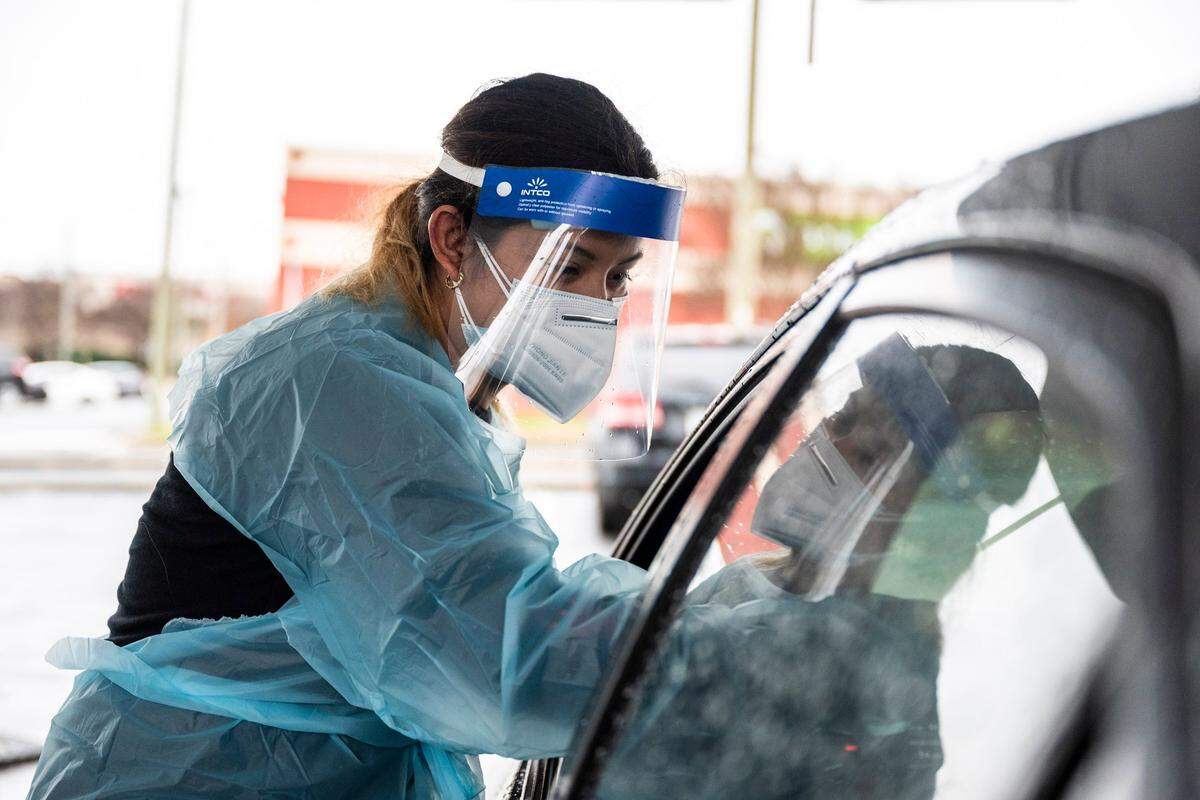
“There will be no avoiding this virus,” he said. “As it becomes endemic, everyone will eventually have antibodies in their system to it — through either getting infected or getting vaccinated against it.”
The latest surge of COVID has put a strain on emergency resources, especially as demand for COVID tests rises to unprecedented levels.
Getting vaccinated is the best way to help conserve emergency resources, Priest said. And vaccines have proved incredibly effective at protecting people from severe cases of COVID and hospitalization.
Some 98% of Novant Health patients hospitalized with COVID currently are either unvaccinated, or haven’t gotten the COVID booster dose, Priest said this week.
And of the 2% of hospital patients who are fully vaccinated with a booster dose, the average age is 77 years old, he said.
“Getting vaccinated and getting that booster if you’re eligible is a real great way to keep yourself out of the hospital,” he said.
This story was originally published January 6, 2022 at 12:42 PM.
.jpg)