Canines and COVID-19: Should your pets get tested to protect against the virus?
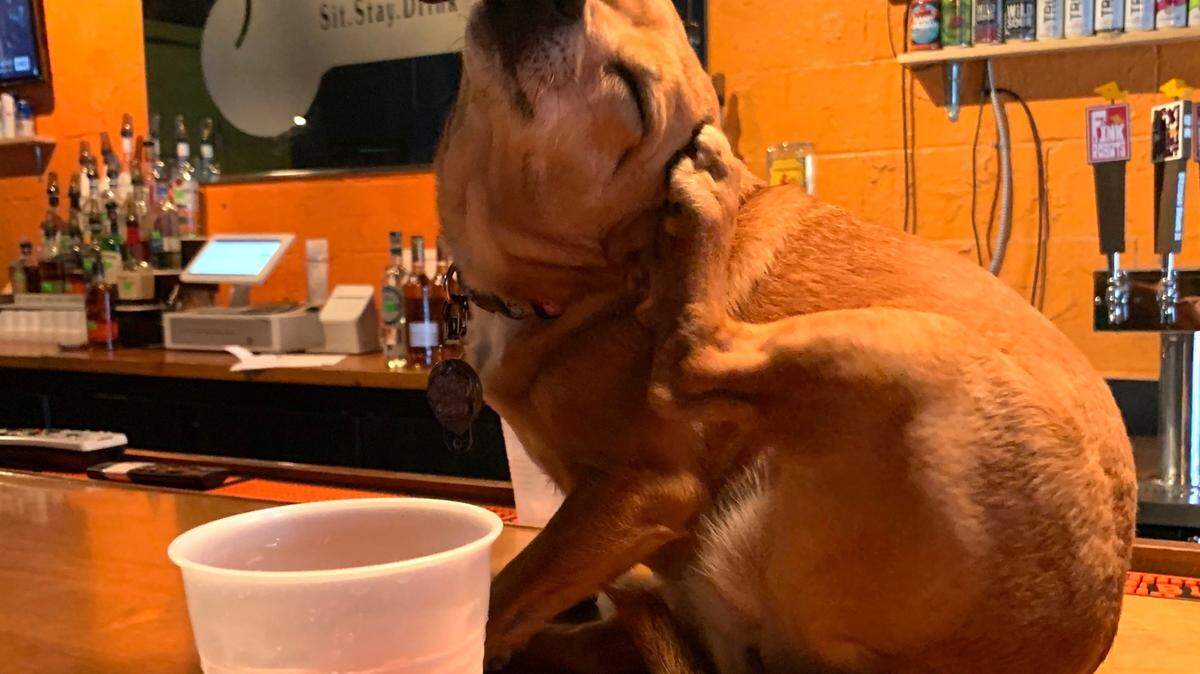
During the COVID-19 pandemic, a handful of cases have been reported among domestic animals, including cats and dogs.
Some animals have received an experimental COVID-19 vaccine, but The Food and Drug Administration (FDA) has not approved any drugs for the treatment or prevention of the virus in animals.
As the omicron variant continues to spread and health officials monitor a new subvariant, pet owners may worry about passing COVID-19 to their furry friends.
Here’s what you need to know to keep your pet safe:
Is there a test for COVID-19 in pets?
Veterinary laboratories have developed diagnostic tests for SARS-CoV-2, the virus that causes COVID-19, for use in pets if needed.
How many pets have tested positive for COVID-19?
At least 15 species of animals, including domestic pets, have contracted SARS-CoV-2, the virus that causes COVID-19, according to the U.S. Department of Agriculture. As of Feb. 1, 110 cats and 95 dogs have tested positive for the virus.
What are the symptoms of COVID-19 in pets?
Not all pets who contract COVID-19 will show symptoms, the CDC says. Serious illness in pets is extremely rare, and most pets that have gotten sick have only had mild illness and have fully recovered.
Pets sick with the virus that causes COVID-19 may have:
Fever
Coughing
Difficulty breathing or shortness of breath
Lethargy
Sneezing
Runny nose
Eye discharge
Vomiting
Diarrhea
What to do if your pet tests positive for COVID-19
Depending on symptoms, your veterinarian may recommend you isolate your pet at home in the same way as a person sick with COVID-19.
The CDC recommends keeping track of your pet’s symptoms during home isolation. If they worsen, contact your veterinarian.
Your pet can usually go back to normal activities if they have not shown symptoms for at least 72 hours without medical care and it has been at least 14 days since their last positive test, or if all follow-up tests for a current infection are negative.
Can pets spread COVID-19 to humans?
Based on current information, the risk of animals spreading COVID-19 to people is considered to be low, according to the FDA. There is no evidence that the virus can spread to people from the skin, fur or hair of pets.
The pets that have tested positive for the virus are ones that were in close contact with a person who had the virus.
How to protect your pet from COVID-19
If you test positive for COVID-19, the CDC recommends avoiding kissing, petting, snuggling or sleeping in the same bed as your pet. If someone in your house tests positive, keep them isolated from everyone, including your pet.
The CDC also advises against putting a mask on your pet, or bathing them with chemical disinfectants, alcohol, hydrogen peroxide or other products, such as hand sanitizer, counter cleaning wipes or other industrial surface cleaners.