Charlotte COVID-19 wastewater data show ‘high levels’ of infection. Is the city in a surge?
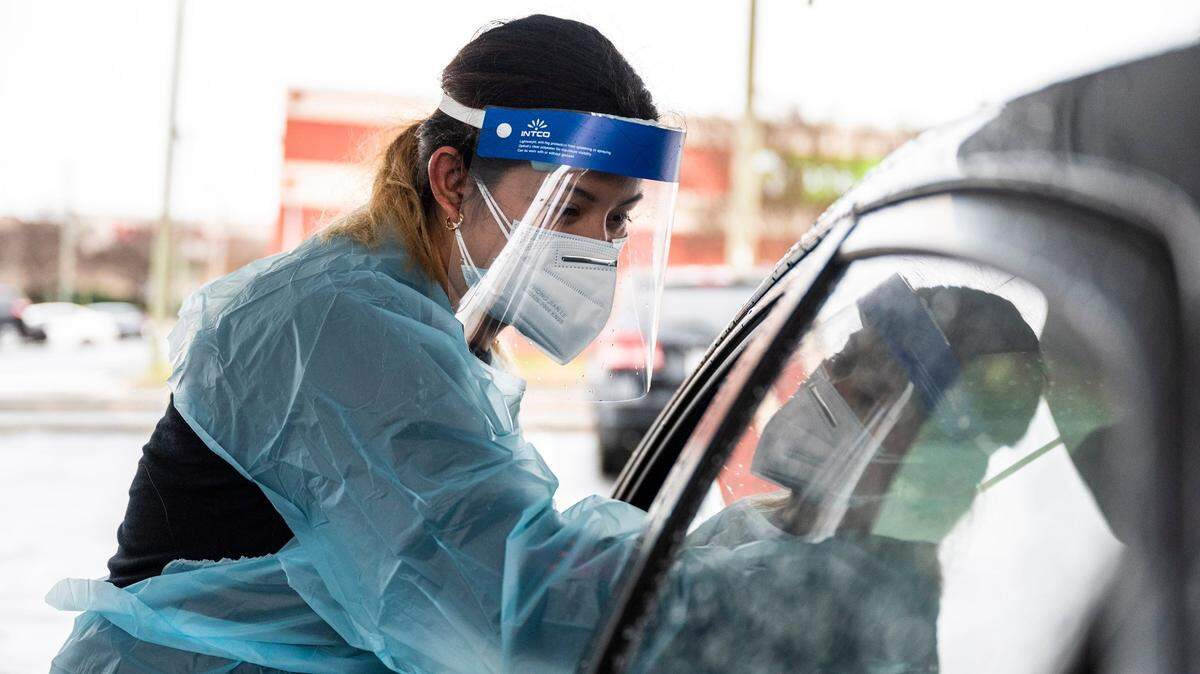
As North Carolina and other many states experience a current surge in COVID-19 cases, scientists are keeping an eye on what comes out of your toilet to predict future outbreaks.
According to the N.C. Department of Health and Human Services, rising levels of COVID-19 virus particles in wastewater can be an early sign of community spread and illness.
Last week, 26.5 million COVID-19 virus particles were found in North Carolina wastewater, up from 19.1 million found the previous week. But the number of cases reported to the state over the same time period declined from 28,369 to 26,446, numbers from NCDHHS show. From May 13-26 there were 6,403 reported cases, a 34% increase from the previous two-week period, according to Mecklenburg County.
Here’s how wastewater surveillance works, and how the current virus levels in Mecklenburg County wastewater relate to the number of cases reported over the last few months.
What are the COVID-19 virus levels in Charlotte’s wastewater?
Two of the three wastewater treatment sites in Charlotte saw small increases in COVID-19 virus levels over the last week, but one site -- Mallard Creek -- is increasing “at a pretty decent rate,” according to Guidry.
“All three sites are in the highest percentile, so we’re still seeing pretty high levels there,” Guidry said.
Guidry said the wastewater data usually corresponds with the number of cases reported in a particular area, and that people should be cautious despite the low number of cases compared to previous months.
Data from the NCDHHS COVID-19 Dashboard shows that COVID-19 cases in Mecklenburg County have gone up nearly every week since March 12, from 374 to nearly 3,000 reported during the week of May 28.
“I think people need to continue to be aware of the COVID risk,” said Guidry. “There’s still COVID out there, and people are getting exposed. I think it’s really important for people to get vaccinated and boosted if they’re eligible, and to just be aware and minimize their exposures.”
How does wastewater surveillance in North Carolina work?
According to the CDC, people infected with SARS-CoV-2, the virus that causes COVID-19, can shed viral RNA in their feces that can be detected in community wastewater.
To test for the virus, samples from wastewater treatment plants are sent to public health laboratories. The testing data is then sent to the CDC and made available to the public through their COVID Data Tracker.
Virginia Guidry, the branch head for occupational and environmental epidemiology at NCDHHS, said wastewater monitoring is one of the most reliable ways to track trends in community transmission.
“We’re pretty confident in our wastewater data as a way to measure what’s going on in the community,” Guidry said. “And it captures both symptomatic and asymptomatic folks, regardless of whether they get tested, and that is one the real advantages of wastewater monitoring.”
How can wastewater help detect COVID spread?
Wastewater can be an important tool for scientists who study SARS-CoV-2, according to the CDC. Here’s how:
Wastewater data showing the percent change in virus levels can be used with other data, like the overall levels of the virus in the water and historical wastewater for a particular location. Levels of the virus in wastewater could be an indicator of how well prevention strategies are working.
Small changes in the level of virus in wastewater can be an early signal that the number of people with COVID-19 in a community is rising or falling.
State and local health officials can use wastewater data to predict trends in COVID-19 transmission and respond accordingly.
This story was originally published June 7, 2022 at 1:20 PM.