
Prosecutors clear CMPD in cellphone surveillance
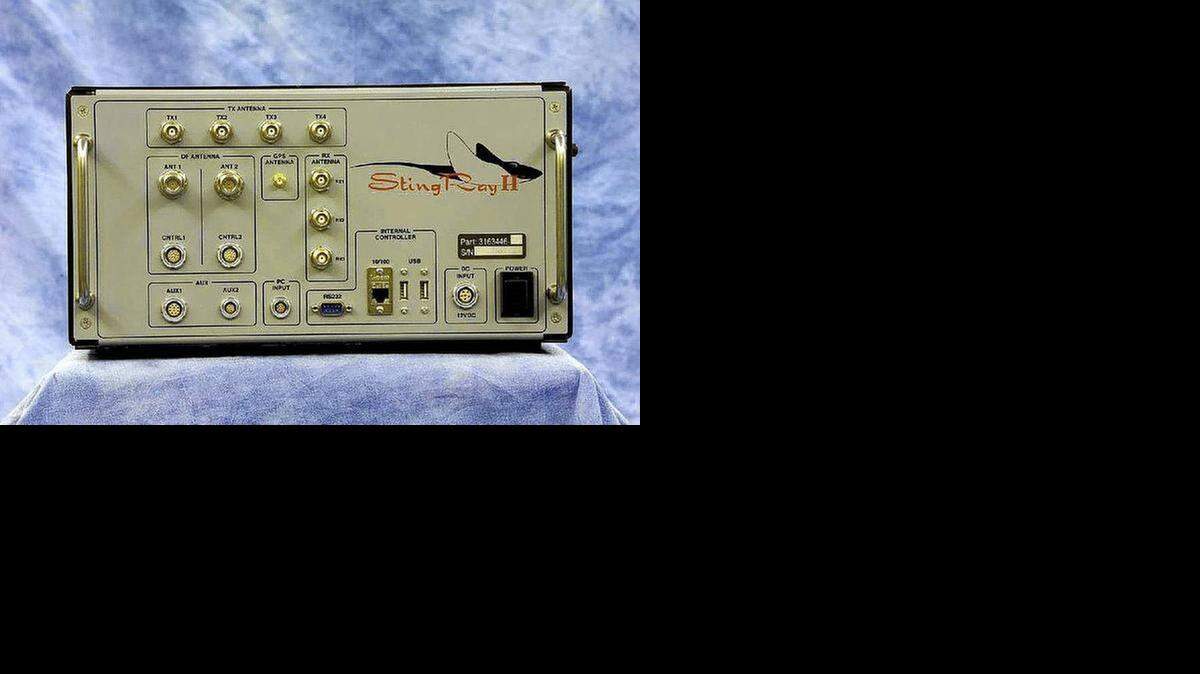
Prosecutors looking into the Charlotte-Mecklenburg Police Department’s secret surveillance of cellphones found officers did not violate state laws that protect a criminal defendant’s right to a fair trial.
In a written statement released Friday, the Mecklenburg County District Attorney’s Office said CMPD properly turned over evidence that is supposed to go to suspects and their attorneys in nearly 150 cases in which officers used cellphone tracking.
But suspects convicted in some cases involving surveillance may still challenge their sentences. North Carolina has one of the broadest discovery laws in the nation, requiring police and prosecutors to reveal almost all of the evidence they collect.
The law allows sentences to be overturned if convicts can prove police and prosecutors didn’t properly disclose information used to build a case against them.
The district attorney’s office said it would send letters notifying defense attorneys in 79 cases that CMPD may have covertly used a controversial device called a StingRay, which mimics a cellphone tower and gathers information from phones.
Nathan Freed Wessler, an attorney for the American Civil Liberties Union, said defendants in ongoing cases can request a judge reopen the discovery process. In a recent Florida case, Wessler said prosecutors struck a plea deal with the defendant to avoid presenting a StingRay in court.
“It is not their call” to determine what should be turned over to the defense, Wessler said. “There should be an opportunity for the defense attorney to test that before a judge.”
An Observer investigation revealed in October that CMPD has owned a StingRay since 2006. The technology allows police to collect serial numbers, locations and other information about nearby phones, laptop computers and tablets that connect to cellular networks.
Police agencies across the country began acquiring the technology between 2006 and 2007 by using federal grant money earmarked to fight terrorism.
The FBI ordered cities not to disclose information about the equipment. During a visit to Charlotte last year, FBI Director James Comey said his agency is trying to shield police tactics from criminals.
Defense attorneys and civil liberties advocates say secrecy about the device denied criminal suspects the chance to challenge evidence in court, as required by law. Some questioned whether the use of a StingRay violates the Constitution’s prohibition against unreasonable search and seizures because it gives law enforcement the ability to track targets in real-time.
Privacy groups and attorneys almost certainly will challenge prosecutors’ conclusions about when CMPD decided to share information with attorneys. In a typical case, police would give district attorneys evidence they have collected during an investigation. Prosecutors then provide that information to the defense.
The district attorney’s office said it found that in all but two cases cellphone surveillance had been used only to find suspects who had already been charged, not to build a case against them. That means police and prosecutors had no legal obligation to turn over the information, the office said.
In the other two cases, prosecutors said CMPD used cellphone surveillance during the investigations. CMPD shared that information with the district attorney’s office, which it turned over to defense attorneys.
A spokeswoman said District Attorney Andrew Murray was out of the office and unavailable for comment
CMPD defends moves
The prosecutors’ conclusions echo previous comments from Murray and Charlotte-Mecklenburg police Chief Rodney Monroe, who has vigorously denied that the department abused discovery laws.
A CMPD spokesman declined to answer questions Friday, but released a statement saying the department respects the constitutional rights of all citizens.
The statement noted that court orders allowing cellphone surveillance have been changed to include an automatic unsealing provision, a departure from past policy when the documents were indefinitely sealed.
“By seeking court orders for any data of cell phones, we ensure that the rights of all citizens are protected and that we apply any use of technology within the parameters of the law,’ the statement reads.
Sharing with defense
But civil liberties advocates and defense attorneys have previously said they believe defendants should be notified of cellphone surveillance in all cases.
Anthony Scheer, a Charlotte defense attorney, said in most investigations police question suspects after locating and arresting them. Scheer said that would mean the information should be shared with the defense.
“My guess is they’re relying on some sentence (in the law) and saying ‘Aha! the law doesn’t require disclosure,’” Scheer said.
Prosecutors asked CMPD to inspect files to determine when investigators deployed a StingRay, versus other kinds of surveillance tools. CMPD found that it used the device in 39 of the 149 cases reviewed, officials said. There were 40 cases where authorities could not determine if a StingRay was utilized.
The findings come after the Observer and its news partner, WBTV, filed a petition last year to unseal records related to CMPD cellphone tracking dating to 2006. In November, Mecklenburg Senior Resident Superior Court Judge Richard Boner later ordered that documents connected to past cases be unsealed.
Even the district attorney’s office said it had not seen the records. In November, it announced that it would conduct a review to determine what, if any, documents needed to be shared with defense attorneys.
Clasen-Kelly: 704 358-5027
This story was originally published March 27, 2015 at 5:43 PM with the headline "Prosecutors clear CMPD in cellphone surveillance."